Indio council introduces 45‑day moratorium on new gas stations to study saturation and standards
December 04, 2025 | Indio City, Riverside County, California
This article was created by AI summarizing key points discussed. AI makes mistakes, so for full details and context, please refer to the video of the full meeting. Please report any errors so we can fix them. Report an error »
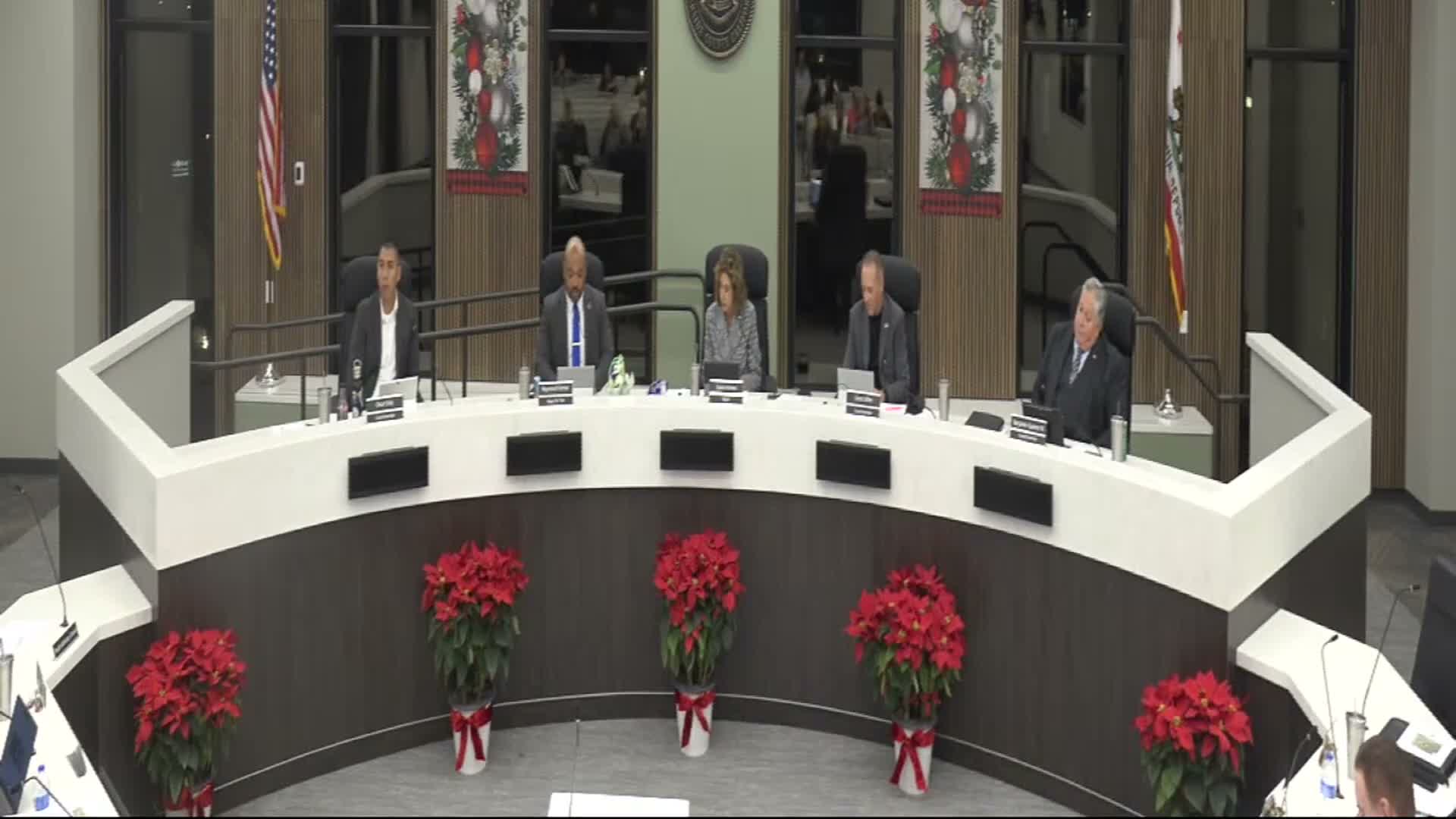
Staff told council the proposed moratorium is intended as a pause to allow analysis after a recent approval and appeal that raised concerns about corridor saturation; pending and already‑entitled applications would be exempt. The Community Development director noted cities in the valley have explored spacing and saturation rules and the city would need to decide whether to pursue a market study through a consultant or begin internal code amendments (spacing, sensitive‑use buffers, landscaping, EV charging requirements and amenity standards).
Public commenters included local organizers, nonprofit representatives, and industry speakers. Several community speakers urged a pause and recommended comprehensive zoning reform before approving more fuel stations; a representative of a regional gas operator supported a temporary pause and flagged the rapid increase in local stations (citing an increase from 22 to more than 31 in roughly 2½ years). Speakers urged the council to consider health and economic studies and to require amenities (EV charging, fresh food, landscaping) for new stations.
Councilmembers discussed whether 45 days — and the holiday schedule — would be sufficient to complete meaningful analysis. Staff noted the state statutory urgency process limits an initial moratorium to 45 days and allows extensions (a later extension could extend the pause for a specified additional period after public hearing). The council directed staff to begin analysis now and to return on Dec. 17 to consider extension and scope; the initial introduction passed unanimously by roll call.
The motion to introduce Ordinance No. 1828 passed by roll call: Miller Aye; Withern Aye; Ortiz Aye; Furman Aye; Holmes Aye. Staff said they will return with recommendations on the level of analysis (in‑house mapping vs. consultant market/health studies) and any proposed code amendments.
Don't Miss a Word: See the Full Meeting!
Go beyond summaries. Unlock every video, transcript, and key insight with a Founder Membership.
30-day money-back guarantee
Sponsors
Proudly supported by sponsors who keep California articles free in 2025

