Amici tell appeals court mandatory early counsel would have prevented JCS’s contested guardianship
December 04, 2025 | Judicial - Appeals Court Oral Arguments, Judicial, Massachusetts
This article was created by AI summarizing key points discussed. AI makes mistakes, so for full details and context, please refer to the video of the full meeting. Please report any errors so we can fix them. Report an error »
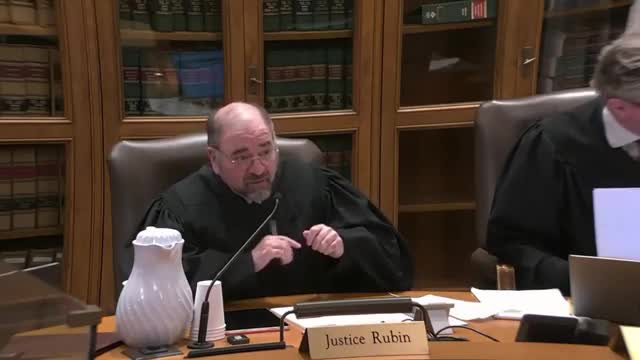
Attorney Talley, appearing for a group that included the Center for Public Representation, CPCS, the Disability Law Center and the Mental Health Legal Advisors Committee, told the panel that the record showed JCS had no counsel at the moment decrees were entered and that he sought to appear but could not due to transportation delays. Talley said that appointment of counsel at the outset would have given the trial court an opportunity to explore less-restrictive alternatives such as supported decision-making and to avoid quickly entered plenary orders.
The bench and Talley discussed payment for counsel. Talley explained courts regularly appoint CPCS in indigent cases and that judges can check a form directing payment from the protected person’s estate if the person is not indigent; justices voiced concern about CPCS capacity and the risk that allowing privately retained counsel to draw heavily on estate funds could undercut the conservatorship’s purpose of protecting assets.
The amici argued for procedural safeguards: clearer statutory direction to appoint counsel at certain stages, review or notice mechanisms so protected persons can return to court, and limits to prevent repetitive, frivolous filings that could dissipate an estate. The panel explored middle-ground proposals — for example, a mandated review at set intervals and appointment of counsel when an objection is filed — but the court made no ruling at the close of argument.
Talley concluded that the JCS record illustrated why courts and legislatures should consider reforms to ensure meaningful access to counsel and regular review of guardianship orders.
Don't Miss a Word: See the Full Meeting!
Go beyond summaries. Unlock every video, transcript, and key insight with a Founder Membership.
30-day money-back guarantee
Sponsors
Proudly supported by sponsors who keep Massachusetts articles free in 2025

