Attorney Sean Smith walks attendees through five estate-planning documents and probate avoidance tools
November 15, 2025 | Orange County, Florida
This article was created by AI summarizing key points discussed. AI makes mistakes, so for full details and context, please refer to the video of the full meeting. Please report any errors so we can fix them. Report an error »
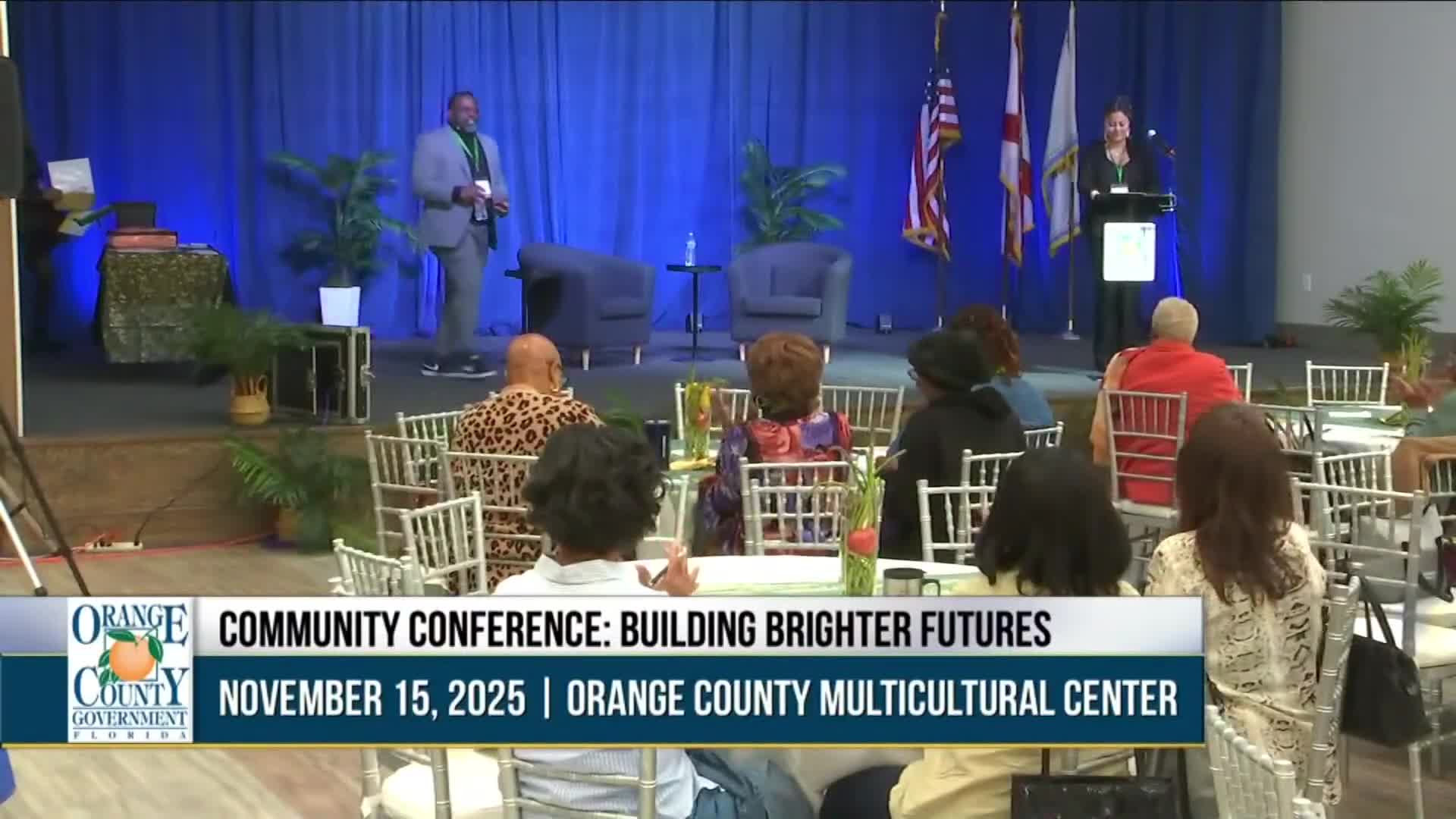
Smith emphasized that Florida law does not recognize a "springing" durable power of attorney that only takes effect upon incapacity; instead, attorneys typically create a durable power that functions immediately and include carefully considered limits. He described the legal safeguards if an agent misuses authority: revocation, discussions with financial institutions, and, if necessary, criminal or civil remedies.
On health-care decisions, Smith distinguished a health-care surrogate (who can make medical decisions if the patient lacks capacity) from a living will (which spells out a patient’s end-of-life preferences). He said advanced-directive materials are commonly requested by local hospitals and health systems.
To avoid probate, Smith recommended revocable living trusts for a broad transfer of assets, beneficiary designations on financial accounts, and Lady Bird deeds for real property transfers in Florida. "If you have your assets in a revocable living trust, they will avoid probate," he said, adding that trusts allow tailored conditions for generational transfers and oversight by successor trustees.
Smith closed by inviting attendees to follow up and gave an assistance line and office contact for more information: (407) 836-7699.
Don't Miss a Word: See the Full Meeting!
Go beyond summaries. Unlock every video, transcript, and key insight with a Founder Membership.
30-day money-back guarantee
Sponsors
Proudly supported by sponsors who keep Florida articles free in 2025

