Committee unanimously advances bill requiring railroad safety compliance for broadband work in rail easements
December 04, 2025 | Transportation, HOUSE OF REPRESENTATIVES, Committees, Legislative, Georgia
This article was created by AI summarizing key points discussed. AI makes mistakes, so for full details and context, please refer to the video of the full meeting. Please report any errors so we can fix them. Report an error »
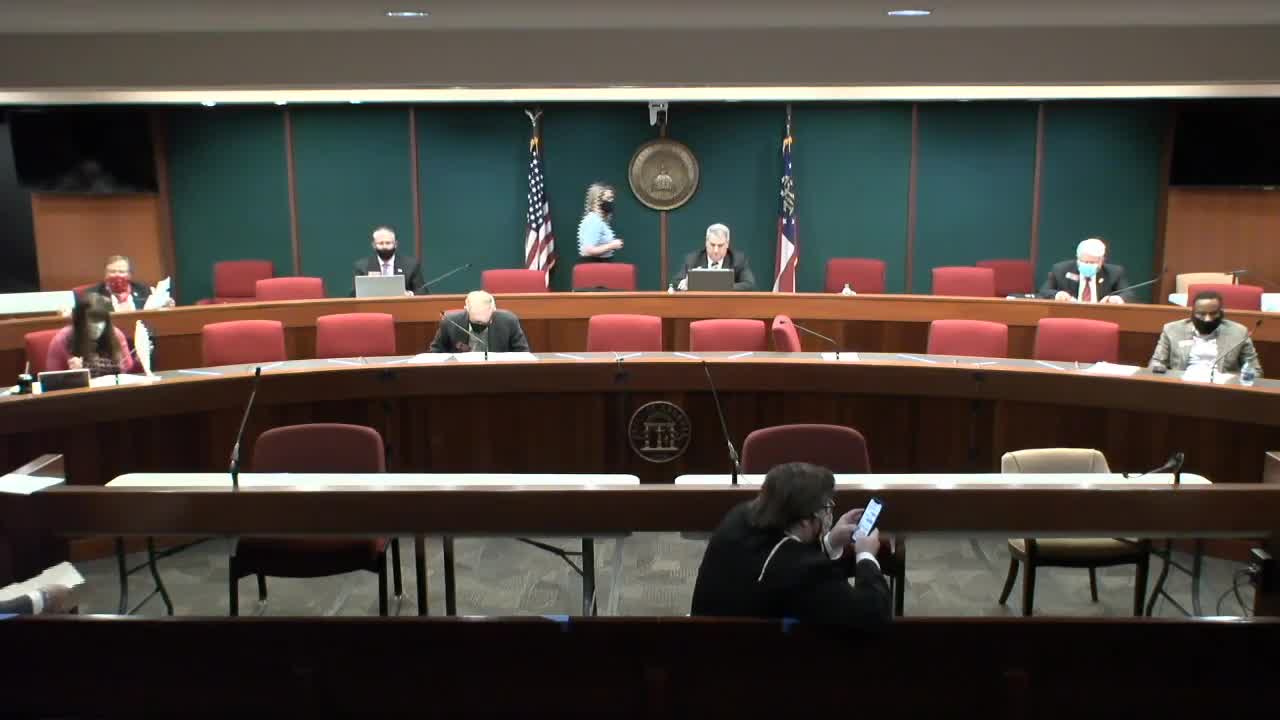
Connor Poe of Norfolk Southern Corporation testified in support, saying the bill "does codify language that our companies currently use," and emphasized the safety and insurance requirements the railroad asks of any party working on its right-of-way. Poe told the committee the railroad's right-of-way is not typical and that trains traveling at speed make strict requirements and insurance necessary for safety.
Jason Bragg with Georgia EMC told the committee EMCs and railroads worked together on the draft and described the bill as a "belt and suspenders" approach that mirrors existing practices and supports broadband deployment efforts by clarifying responsibilities and safety expectations.
The chair put a do-pass motion on SB 370; the record shows the committee passed the bill unanimously. The transcript indicates the motion was made, seconded, and the chair announced the bill "Passes unanimously," but it does not include a detailed roll-call tally in the provided excerpt.
What happens next: SB 370 moves forward with a committee recommendation; the bill's text requires utilities to comply with railroad safety rules where they cross railroad easements.
Sources: Senator Gooch, Connor Poe (Norfolk Southern Corporation), Jason Bragg (Georgia EMC) testimony during committee hearing.
View the Full Meeting & All Its Details
This article offers just a summary. Unlock complete video, transcripts, and insights as a Founder Member.
30-day money-back guarantee
Sponsors
Proudly supported by sponsors who keep Georgia articles free in 2025

