Nantucket advisory board opens study on larger commercial diesel transfers, cites safety and fairness concerns
December 04, 2025 | Nantucket County, Massachusetts
This article was created by AI summarizing key points discussed. AI makes mistakes, so for full details and context, please refer to the video of the full meeting. Please report any errors so we can fix them. Report an error »
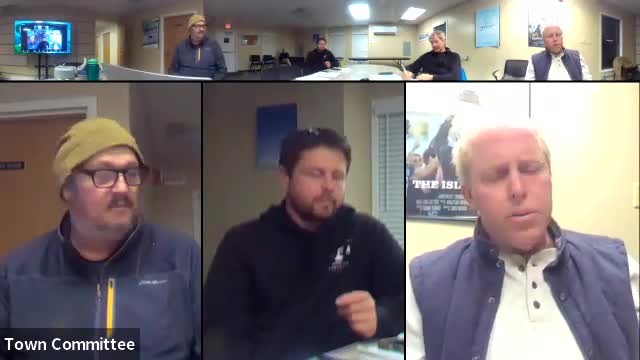
Chair opened the new-business item as “safe transfer of diesel fuel in volume from truck to boat by commercial fishermen,” saying the topic had been separated from an earlier Chapter 91 licensing review to allow focused consideration of safety and operational options. Board members and fishermen described practical needs (larger onboard tanks and longer trips offshore) and urged the group to weigh safety, liability and community impacts before proposing any regulatory change.
Members recalled a previously mentioned 12-gallon transfer limit but did not confirm whether that limit is set by town rules or state regulation. One board member said a local regulation was likely: “I believe it’s a town regulation that it was mentioned,” and recommended staff verify the source and rationale, including whether the limit is tied to cleanup obligations, payment methods or insurance requirements.
On safety, participants recommended practical mitigations such as spill kits staged at transfer sites, on-water containment booms and containment absorbents. A fisherman described how a containment boom functions: “No. It’s just to hold it so you put the absorbent inside it,” noting booms are intended to contain and localize any release for later recovery rather than to absorb it directly.
Board members also framed the item as an equity and working-waterfront issue. “I think it’s only fair to guys who are making a living off the water, versus recreational boats,” the Chair said, arguing that towns up and down Cape Cod allow commercial refueling accommodations and that any local policy should balance fishermen’s operational needs with neighborhood concerns such as early‑morning noise from backup alarms.
Rather than decide on a policy, the board voted to continue the discussion at a future meeting and to gather additional information: the written policies of Harbor Fuel and other vendors, the exact legal source of the 12‑gallon limit, insurance/ liability guidance, and technical input from harbor staff (including Harbor operations and water/harbor infrastructure personnel). The board said it would use those materials to craft a recommendation or a narrow regulatory proposal for select-board consideration, if warranted.
No formal motion to change local practice was made; the item was left for further study and to be revisited at the next meeting.
Don't Miss a Word: See the Full Meeting!
Go beyond summaries. Unlock every video, transcript, and key insight with a Founder Membership.
30-day money-back guarantee
Sponsors
Proudly supported by sponsors who keep Massachusetts articles free in 2025

