Panel weighs sufficiency of identification and judge’s conduct in Baron Garcia appeals
December 04, 2025 | Judicial - Appeals Court Oral Arguments, Judicial, Massachusetts
This article was created by AI summarizing key points discussed. AI makes mistakes, so for full details and context, please refer to the video of the full meeting. Please report any errors so we can fix them. Report an error »
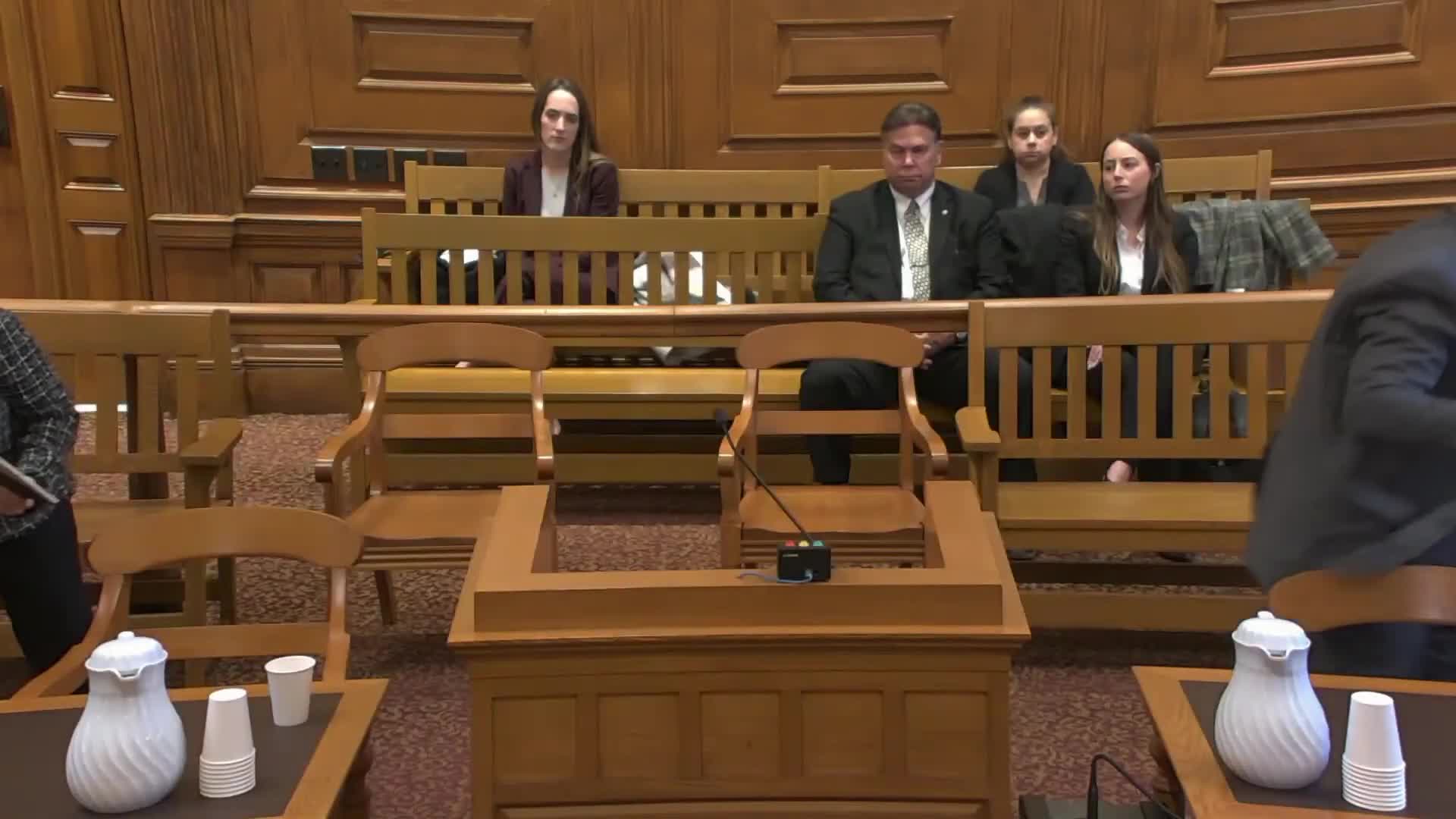
Hannah Taylor, arguing for Baron Garcia, urged that material discrepancies between the two offenses—differences in clothing, mask use, number of companions, and the knives described—meant no reasonable juror could find Garcia was the perpetrator of both attacks beyond a reasonable doubt. Taylor noted officers recovered two knives but the Commonwealth did not introduce photographs or make clear which knife matched which suspect; she argued that taken together the record pointed at two possible perpetrators.
Taylor also argued Judge Somerville’s extensive questioning at the suppression hearing ‘‘created the appearance of partiality’’ by eliciting evidence the prosecutor had not chosen to develop and by preventing the prosecutor from resting at one point, leaving an impression, she said, of assistance to the Commonwealth.
ADA Brynn Morris, for the Commonwealth, countered that testimony and courtroom identifications supported reasonable inferences tying Garcia to the assaults. Morris said one victim immediately recognized the knife used, witnesses described an officer taking Garcia off the train with a large kitchen‑type knife under his arm, and other witnesses identified the defendant in court. "Taken together, a reasonable juror could infer that Baron Garcia was the person who committed the offense," Morris said.
Justices pressed both sides on the inferences required by the Commonwealth and on whether the suppression hearing conduct amounted to partiality or routine judicial management of testimony. No ruling followed oral argument; the panel took the case under advisement.
What happens next: The appeals court will issue a written decision after deliberation.
Don't Miss a Word: See the Full Meeting!
Go beyond summaries. Unlock every video, transcript, and key insight with a Founder Membership.
30-day money-back guarantee
Sponsors
Proudly supported by sponsors who keep Massachusetts articles free in 2025

