Panel examines timing and sufficiency issues in Lara ignition‑interlock appeal
December 04, 2025 | Judicial - Appeals Court Oral Arguments, Judicial, Massachusetts
This article was created by AI summarizing key points discussed. AI makes mistakes, so for full details and context, please refer to the video of the full meeting. Please report any errors so we can fix them. Report an error »
John Maddox, representing Kevin Lara, urged the panel that an RMV printout entered into evidence—showing the license as "suspended" on the print date nine days after the incident—created ambiguity about whether the restriction existed at the time of the offense and therefore implicated the statutory framework controlling ignition‑interlock violations. Maddox argued the jury was not shown the full booking video or other record evidence that would have clarified timing and that absence created speculative inferences.
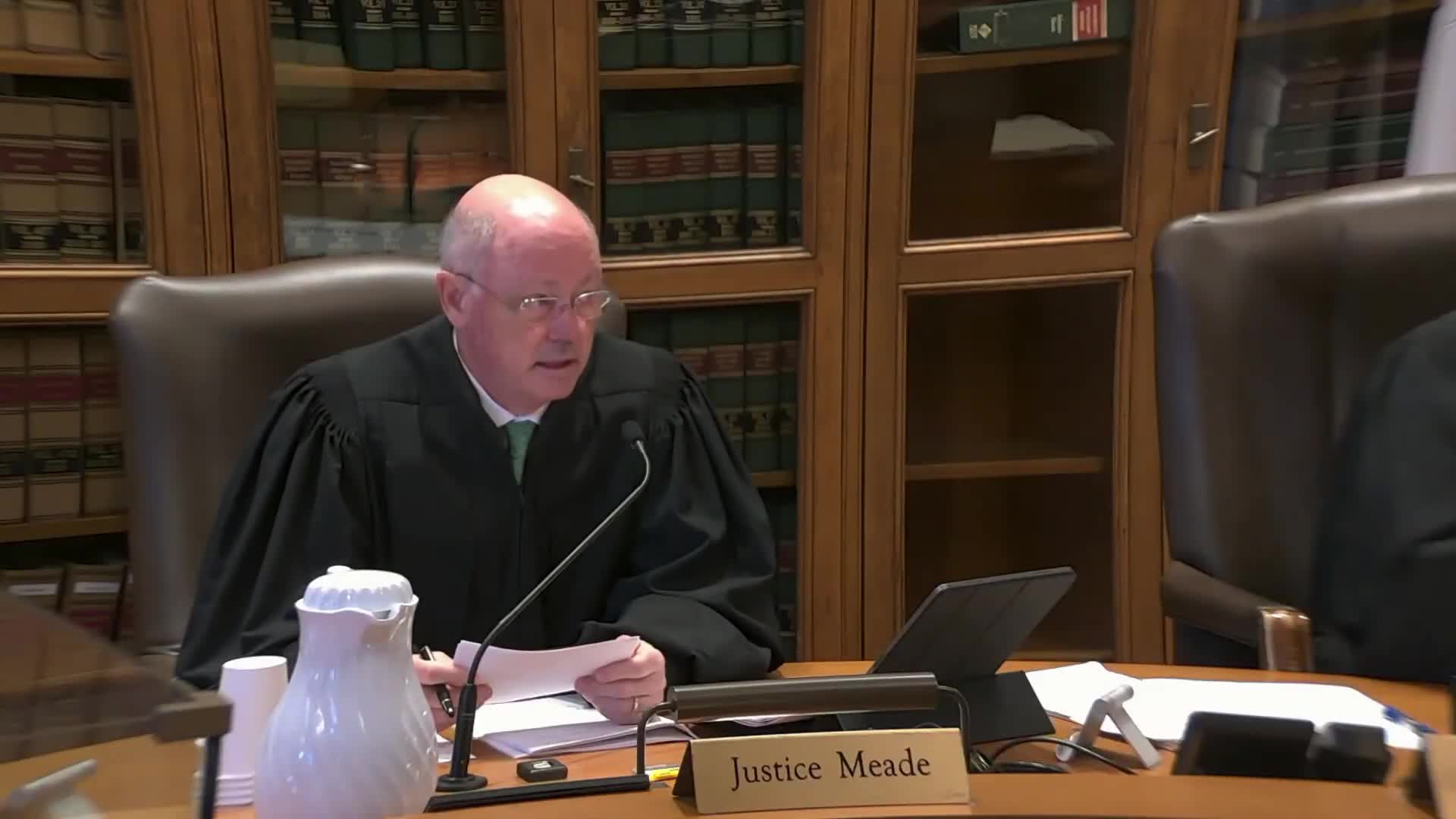
Justices questioned whether the RMV printout and other material could be credited or discredited by jurors under the standard of review; they also pressed whether the defense had an obligation to produce additional evidence once the issue was raised.
Jessica Langsam, for the Commonwealth, argued the officer testimony, the breath‑test form and witness statements together supported the trial court’s findings, and that the motor‑vehicle infractions and observed damage gave officers a lawful basis to stop the vehicle. She defended the trial court’s denial of relief.
Counsel also debated whether detective conduct during the stop and the sequence of events established reasonable suspicion for the stop; no disposition was announced from the bench and the court took the appeal under advisement.
Don't Miss a Word: See the Full Meeting!
Go beyond summaries. Unlock every video, transcript, and key insight with a Founder Membership.
30-day money-back guarantee
Sponsors
Proudly supported by sponsors who keep Massachusetts articles free in 2025

