At Ways and Means hearing Democrats warn tariffs are a regressive tax; academics point to consumer and farm harm
December 04, 2025 | Ways and Means: House Committee, Standing Committees - House & Senate, Congressional Hearings Compilation
This article was created by AI summarizing key points discussed. AI makes mistakes, so for full details and context, please refer to the video of the full meeting. Please report any errors so we can fix them. Report an error »
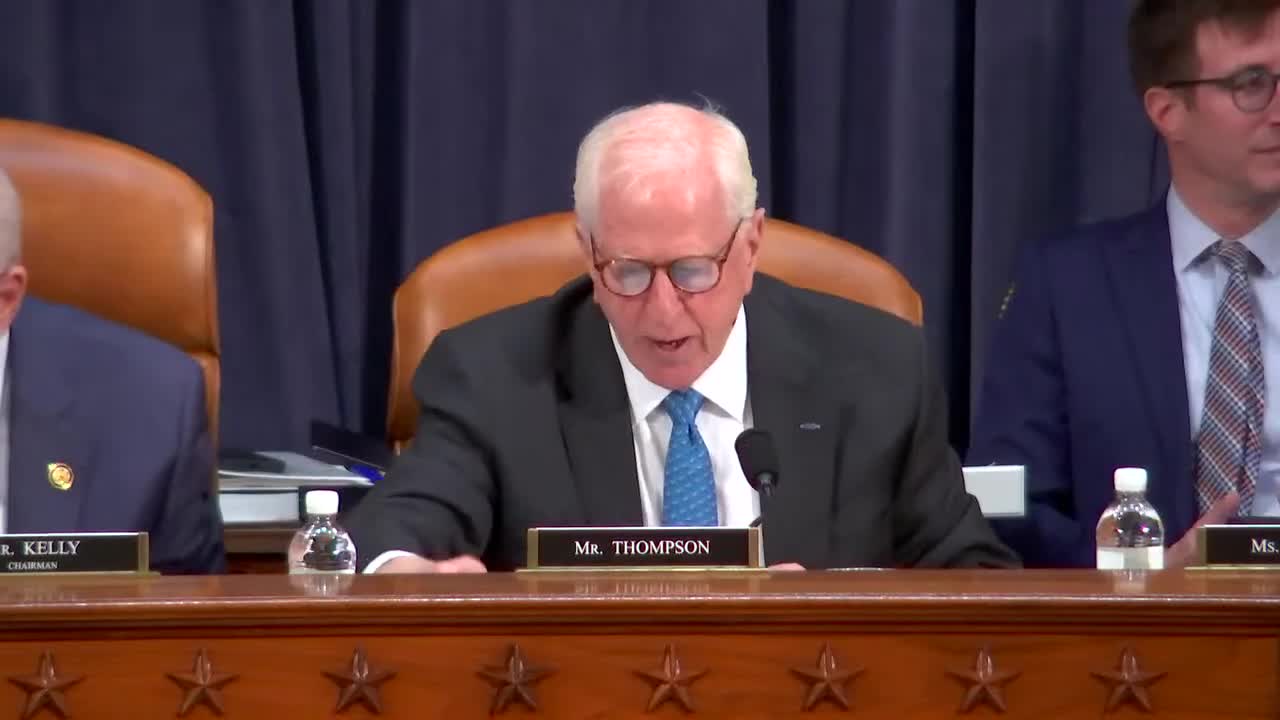
Ranking Member Thompson opened the hearing by saying the committee should focus on the Trump administration’s tariffs, calling them "crushing" to small businesses and farmers and arguing that Congress has surrendered tariff authority to the executive branch. Several Democratic and some Republican members followed with questions about the real‑world effects of tariffs on grocery, manufacturing and construction costs.
An academic witness repeatedly described tariffs as "a regressive tax," telling the committee that the administration’s measures amount to roughly "$1,700" per household and that they raise prices on intermediate goods used in manufacturing, increasing the cost of housing and everyday items. Members representing farming and manufacturing districts echoed those concerns and cited examples of plant closures and cancelled investments.
Witnesses and members also discussed the transparency, scope and exemption process for tariffs imposed under section 232 and other authorities. Multiple lawmakers warned that exemption procedures favor well‑connected firms and leave small businesses without an affordable path to seek refunds; one member noted ongoing litigation by large retailers seeking refunds for tariff payments.
Republican members and witnesses maintained that the recent tax legislation — by lowering the corporate rate and improving expensing and international rules — has strengthened U.S. competitiveness and encouraged onshoring. The committee did not vote on tariffs or pass immediate legislation; members signaled plans for further oversight and possible bills to ensure refunds or automatic relief for small importers if courts order tariff repayments.
An academic witness repeatedly described tariffs as "a regressive tax," telling the committee that the administration’s measures amount to roughly "$1,700" per household and that they raise prices on intermediate goods used in manufacturing, increasing the cost of housing and everyday items. Members representing farming and manufacturing districts echoed those concerns and cited examples of plant closures and cancelled investments.
Witnesses and members also discussed the transparency, scope and exemption process for tariffs imposed under section 232 and other authorities. Multiple lawmakers warned that exemption procedures favor well‑connected firms and leave small businesses without an affordable path to seek refunds; one member noted ongoing litigation by large retailers seeking refunds for tariff payments.
Republican members and witnesses maintained that the recent tax legislation — by lowering the corporate rate and improving expensing and international rules — has strengthened U.S. competitiveness and encouraged onshoring. The committee did not vote on tariffs or pass immediate legislation; members signaled plans for further oversight and possible bills to ensure refunds or automatic relief for small importers if courts order tariff repayments.
View the Full Meeting & All Its Details
This article offers just a summary. Unlock complete video, transcripts, and insights as a Founder Member.
✓
Watch full, unedited meeting videos
✓
Search every word spoken in unlimited transcripts
✓
AI summaries & real-time alerts (all government levels)
✓
Permanent access to expanding government content
30-day money-back guarantee
