Advocates, DOJ outline narrowed wrongful‑conviction fixes, aim to reduce litigation for exonerees
November 17, 2025 | Legislative, Oregon
This article was created by AI summarizing key points discussed. AI makes mistakes, so for full details and context, please refer to the video of the full meeting. Please report any errors so we can fix them. Report an error »
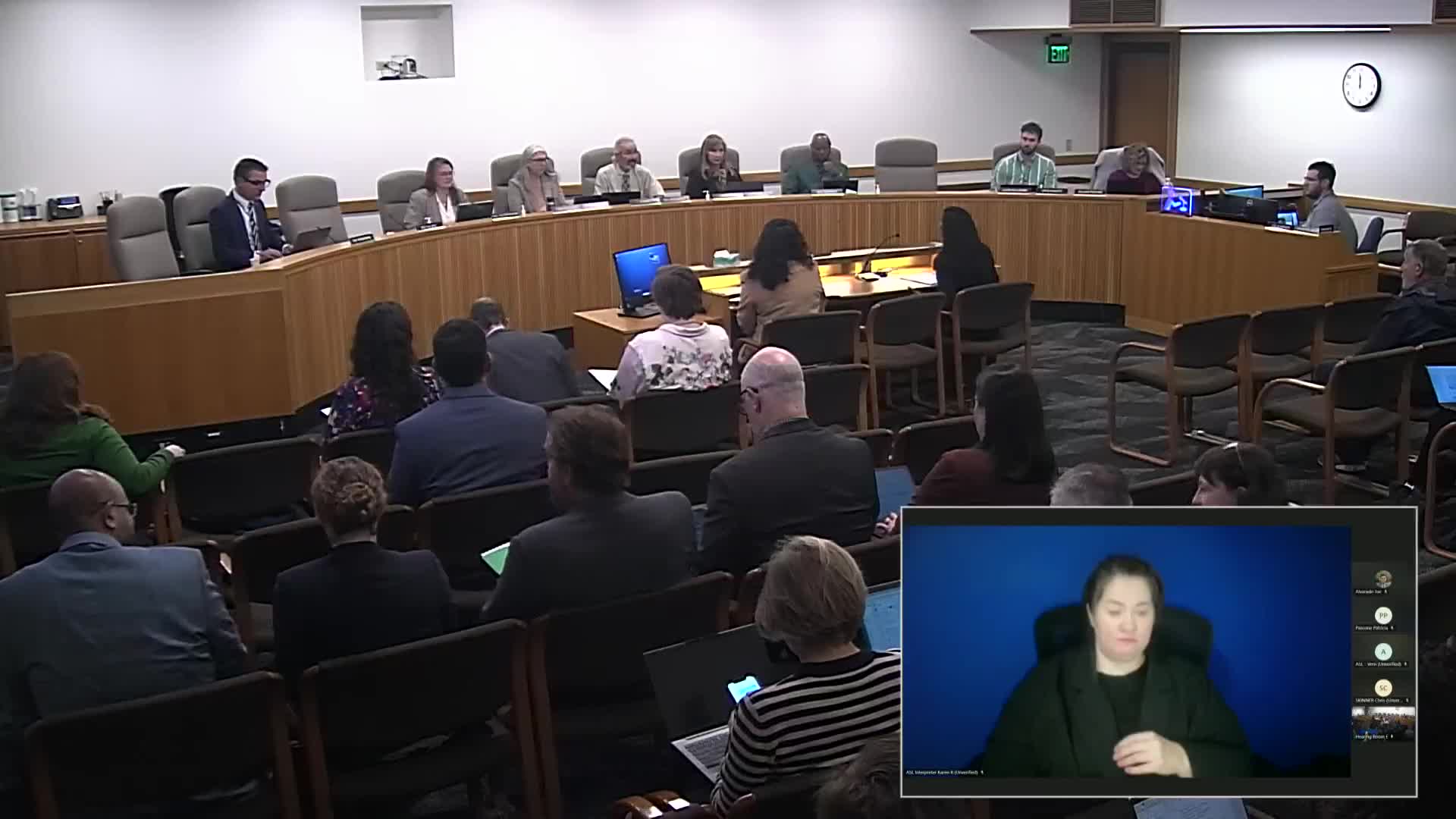
Purakhel said advocates and DOJ staff agreed on two categories of exonerees who should not have to reprove innocence in compensation proceedings: those with prior court findings establishing innocence (for example, federal habeas findings) and individuals pardoned on grounds of innocence. "They are entitled to compensation," she told the committee, adding that narrowing eligibility in this way avoids unnecessary litigation.
She summarized a second reform: a statutorily prescribed timeline that requires DOJ to review compensation petitions and stand down when the department agrees the petitioner meets the statute's elements. "To date, in all of the cases that we've been litigating, we've been doing scorched earth litigation," Purakhel said, arguing the change will spare exonerees lengthy and costly court fights.
Leslie Wu, policy advisor to Attorney General Rayfield, said the DOJ has committed to clearing a backlog of historic claims and provided case counts: the office has received 82 tort claims, 43 of which led to active litigation, and had resolved about 55% of active cases as of September; DOJ aimed to resolve roughly 75% of the historic claims before the end of 2025.
The committee was reminded of prior action in this area: the panel previously voted unanimously to send earlier bills (including SB1007 and a change-in-science concept, SB554) to Ways and Means but prior fiscal notes limited passage; advocates said the current package focuses on no‑cost technical fixes to make relief more immediate.
What happens next: advocates urged the committee to advance narrow statutory timelines and eligibility carve-outs during the short session to reduce litigation burdens on exonerees and lower state litigation costs.
Don't Miss a Word: See the Full Meeting!
Go beyond summaries. Unlock every video, transcript, and key insight with a Founder Membership.
30-day money-back guarantee
Sponsors
Proudly supported by sponsors who keep Oregon articles free in 2025

