Experts urge Oregon to adopt Uniform Faithful Presidential Electors Act to deter faithless electors
November 17, 2025 | Legislative, Oregon
This article was created by AI summarizing key points discussed. AI makes mistakes, so for full details and context, please refer to the video of the full meeting. Please report any errors so we can fix them. Report an error »
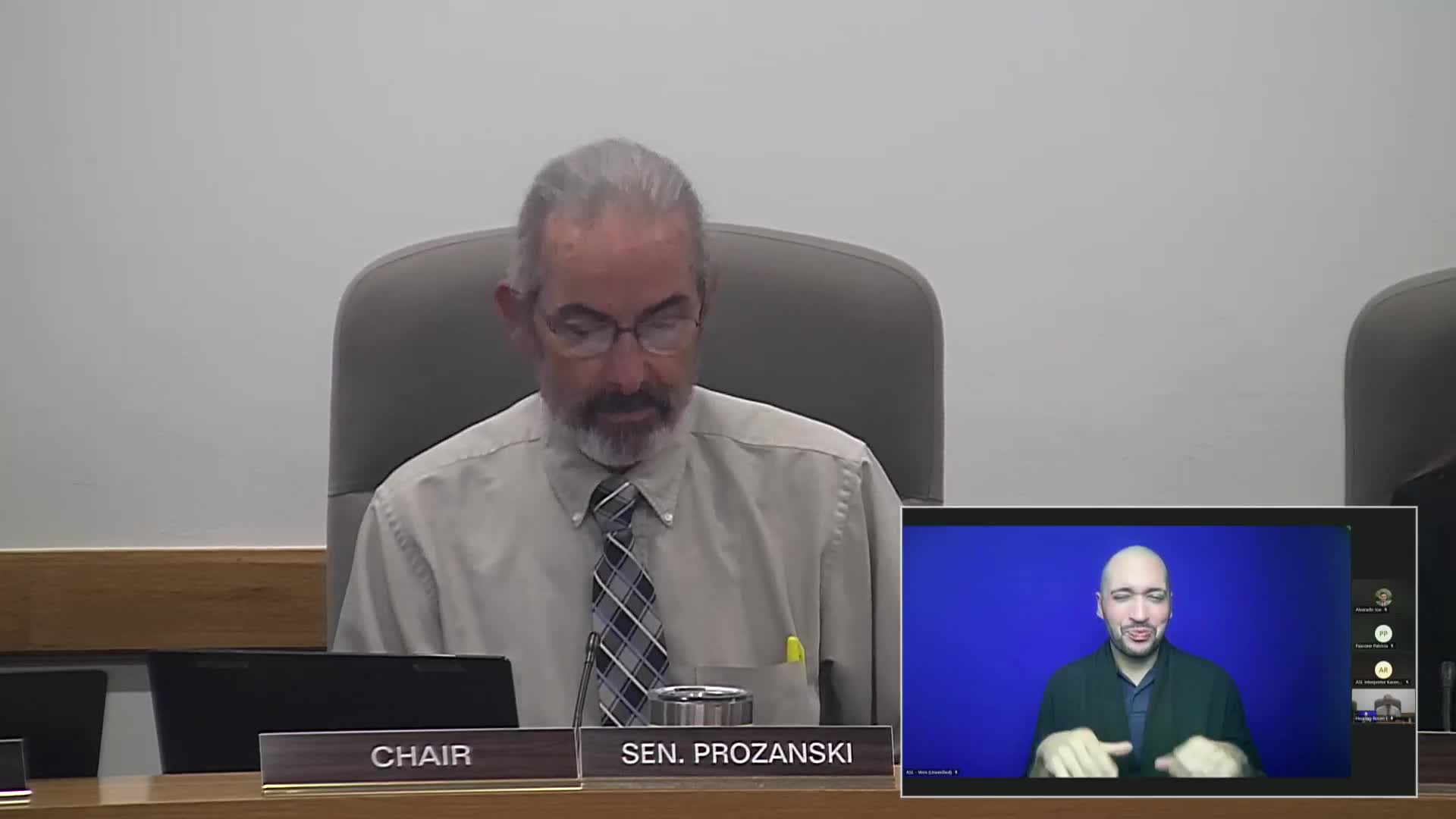
Weinberg described Oregon's current code requiring a pledge from elector candidates but said the state lacks a mechanism to prevent an elector from casting a faithless ballot that would be counted on the state's certificate. He recommended the Uniform Faithful Presidential Electors Act (UFPEA), which directs a presiding officer (in Oregon, the Secretary of State) to review electoral ballots, disallow faithless ballots and appoint a replacement elector whose ballot complies with state law.
"Even a single faithless presidential elector arguably constitutes a major violation of representative democracy," Weinberg said, urging the committee to adopt the UFPEA model language used successfully by other states.
Lane Shetterly, who served on the drafting committee for the UFPEA with the Uniform Law Commission, endorsed the measure as a straightforward, bipartisan good government reform. Witnesses noted the 2020 U.S. Supreme Court unanimous ruling that states may enforce conditions on electoral votes and replace faithless electors.
What happens next: Witnesses said they are working with stakeholders to draft Oregon language for the 2026 session; the bill may be referred to other committees because election bills can move through rules or election-focused panels.
View the Full Meeting & All Its Details
This article offers just a summary. Unlock complete video, transcripts, and insights as a Founder Member.
30-day money-back guarantee
Sponsors
Proudly supported by sponsors who keep Oregon articles free in 2025

