Oregon State Hospital leaders describe corrective actions after sentinel events, report shorter seclusion and restraint durations
November 17, 2025 | Legislative, Oregon
This article was created by AI summarizing key points discussed. AI makes mistakes, so for full details and context, please refer to the video of the full meeting. Please report any errors so we can fix them. Report an error »
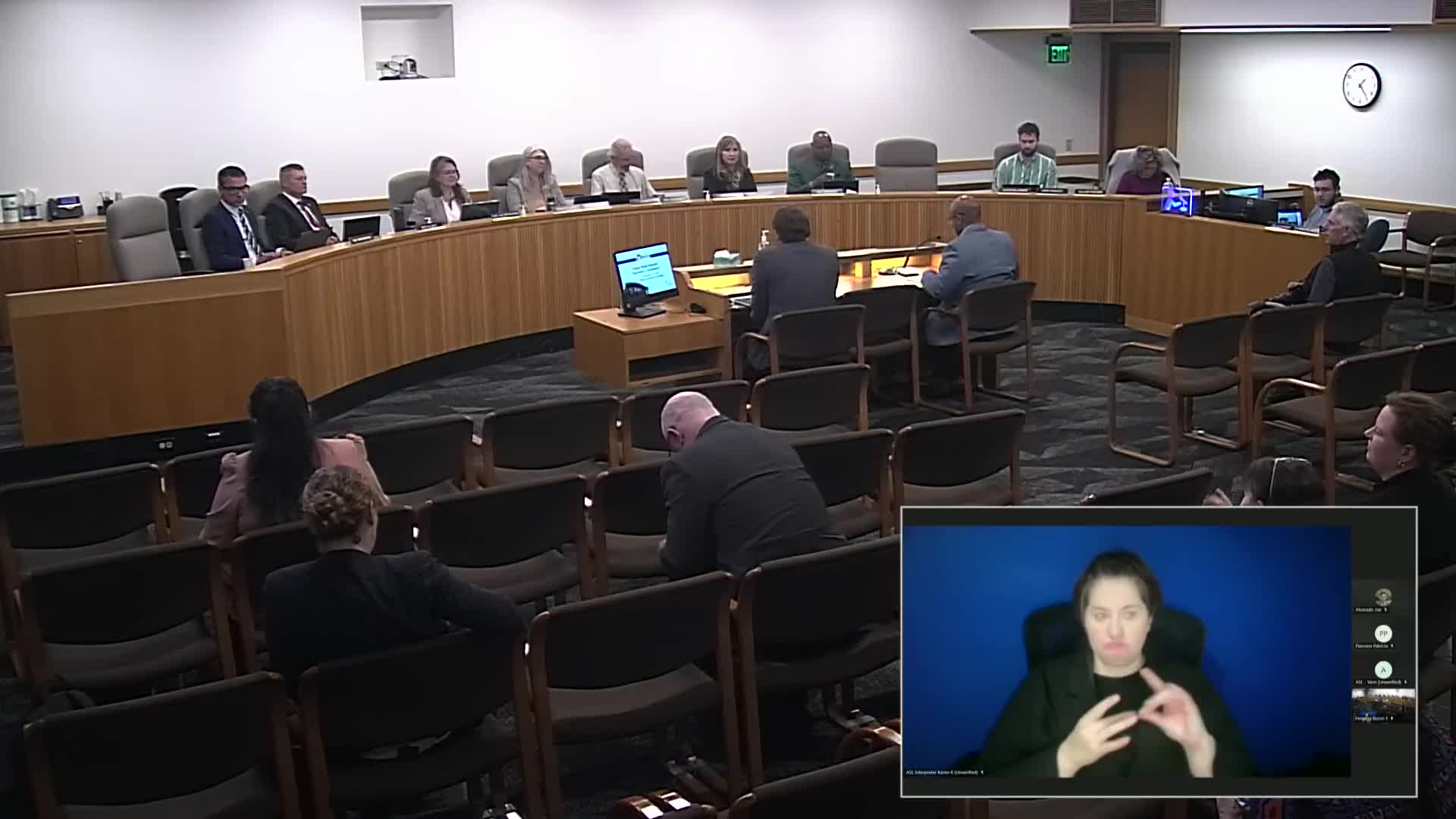
Dave Baden, Deputy Director for Policy and Programs at the Oregon Health Authority, said the governor's office and OHA increased oversight after sentinel events and installed interim leadership at the hospital (interim superintendent and interim chief medical officer among other appointments). He described the hospital as the state's highest level of psychiatric care and said the legislature has invested substantial general-fund resources.
Dr. Amit Bhavan, interim chief medical officer, detailed the hospital's plan of correction and operational changes aimed at reducing high-risk outcomes. Reforms included an extended seclusion/restraint consult team, updated nursing-assessment forms to clarify release criteria, improved post-fall assessment protocols, and faster access to physical and occupational therapy following falls.
Dr. Bhavan presented outcome metrics the hospital is tracking: average seclusion duration declined from about 29 hours (one year prior) to roughly 5.5 hours in the most recent month, and average restraint duration dropped from about 6.9 hours to about 3.3 hours. Hospital leaders said they continue weekly audits and are awaiting CMS revisits tied to the plan of correction.
Committee members asked about classification of manual versus mechanical restraints, reporting differences across facilities, whether wrongful restraint could be investigated as abuse, and the cadence of unannounced Joint Commission and CMS surveys. Hospital leaders said OTIS investigates abuse allegations, that the Joint Commission conducts triennial accreditation surveys (often broad in scope), and that CMS revisits plans of correction after surveys; a planned CMS revisit was delayed by a federal government shutdown.
What happens next: The hospital invited committee members for a site visit, will continue weekly audits and prepare for CMS re-survey, and has implemented training and new protocols intended to further reduce incidents and improve patient care.
Don't Miss a Word: See the Full Meeting!
Go beyond summaries. Unlock every video, transcript, and key insight with a Founder Membership.
30-day money-back guarantee
Sponsors
Proudly supported by sponsors who keep Oregon articles free in 2025

