ODFW tells legislature Oregon’s hatchery system is strained by aging infrastructure and climate risks
November 17, 2025 | Legislative, Oregon
This article was created by AI summarizing key points discussed. AI makes mistakes, so for full details and context, please refer to the video of the full meeting. Please report any errors so we can fix them. Report an error »
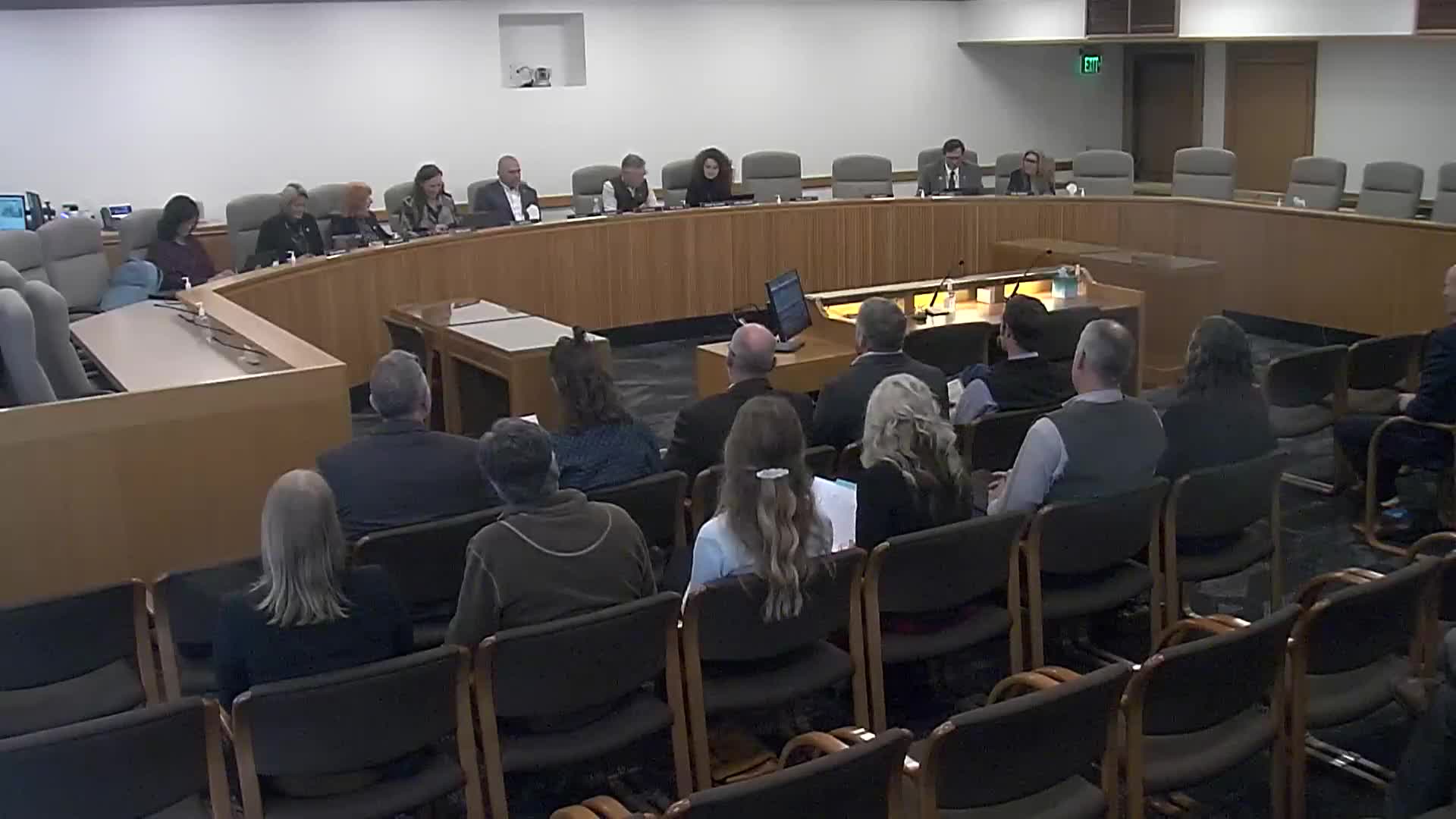
"We submitted a report in the last session. It was over 500 pages," Sean Clements, deputy at ODFW, said as he opened the presentation, adding a shorter, 60‑page summary is available on OLIS and ODFW’s website. Clements said contractors examined 17 priority facilities (14 state, 3 federal) and estimated roughly $12,500,000 in annual operating costs in the 2023–25 biennium, paid mostly from license dollars with about a quarter from general fund and a quarter from federal sources.
Why it matters: many facilities were built in the early 1900s or midcentury on a 30–40‑year design life, and assumptions underlying their operation—ample cool, clean water; minimal fire risk; reliable broodstock returns—are changing. Clements warned that coastal facilities face projected flow declines of 10–25% and that some locations already experience summer temperatures that make rearing less efficient.
The department and its contractors used several metrics to compare facilities, including cost per pound produced and cost per adult harvested. Clements highlighted wide variation in efficiency across hatcheries and species: trout programs tend to be lowest cost and generate the greatest net benefits, while some anadromous programs—spring Chinook and summer steelhead—are more costly per unit of harvest. Overall, ODFW’s analysis estimated the system generates about $55,500,000 in annual regional economic impact while costing about $12,500,000.
Public engagement and decision framework: Clements described webinars and stakeholder small‑group sessions and said the department developed five factors to guide investment decisions—wild fish status, environmental conditions, cost, local community values and hatchery performance. "There’s going to be hundreds of decisions over the next year, decades," he said, noting the review is meant to inform how limited capital should be targeted.
Stakeholder voices: James Fraser, Oregon policy director at Trout Unlimited, told lawmakers the maintenance backlog for state‑owned hatcheries is on the order of $200,000,000 and that the 2025 legislative capital bonding of $20,000,000 covers only a fraction of identified needs. "If Oregon just fixes the most broken thing on a rolling basis or waits until catastrophic failures require emergency funding, then our hatchery system is headed towards more collapses," Fraser said.
Liz Hamilton, policy director for the Northwest Sportfishing Industry Association, emphasized the economic and cultural stakes for rural communities and cited statewide figures presented during the hearing: roughly $2.1 billion in annual angler spending, about 17,000 jobs supported, and $161,000,000 in state and local tax revenue tied to these fisheries.
Questions from legislators centered on specific management examples and federal interactions. Representative Kate asked about drawdowns and a kokanee flush in a reservoir managed by the Army Corps of Engineers; Clements said some basin hatchery facilities are federally owned and operated for mitigation and described Corps drawdown strategies and adaptive stocking experiments. He also noted all hatchery programs require ESA (Endangered Species Act) permitting and monitoring.
Next steps: the committee received the briefing and asked where the supporting materials could be found; Clements said the summary is in OLIS and the full contractor report is posted on ODFW’s website. The presentation and the five‑factor framework will be used in prioritizing how the recently appropriated capital bonding is spent.
The informational hearing did not include formal motions or votes; committee chairs closed the briefing after questions and moved to the next informational topic.
Don't Miss a Word: See the Full Meeting!
Go beyond summaries. Unlock every video, transcript, and key insight with a Founder Membership.
30-day money-back guarantee
Sponsors
Proudly supported by sponsors who keep Oregon articles free in 2025

