Advocates urge restoring voting rights for adults in custody, propose registration by last voluntary address
November 17, 2025 | Legislative, Oregon
This article was created by AI summarizing key points discussed. AI makes mistakes, so for full details and context, please refer to the video of the full meeting. Please report any errors so we can fix them. Report an error »
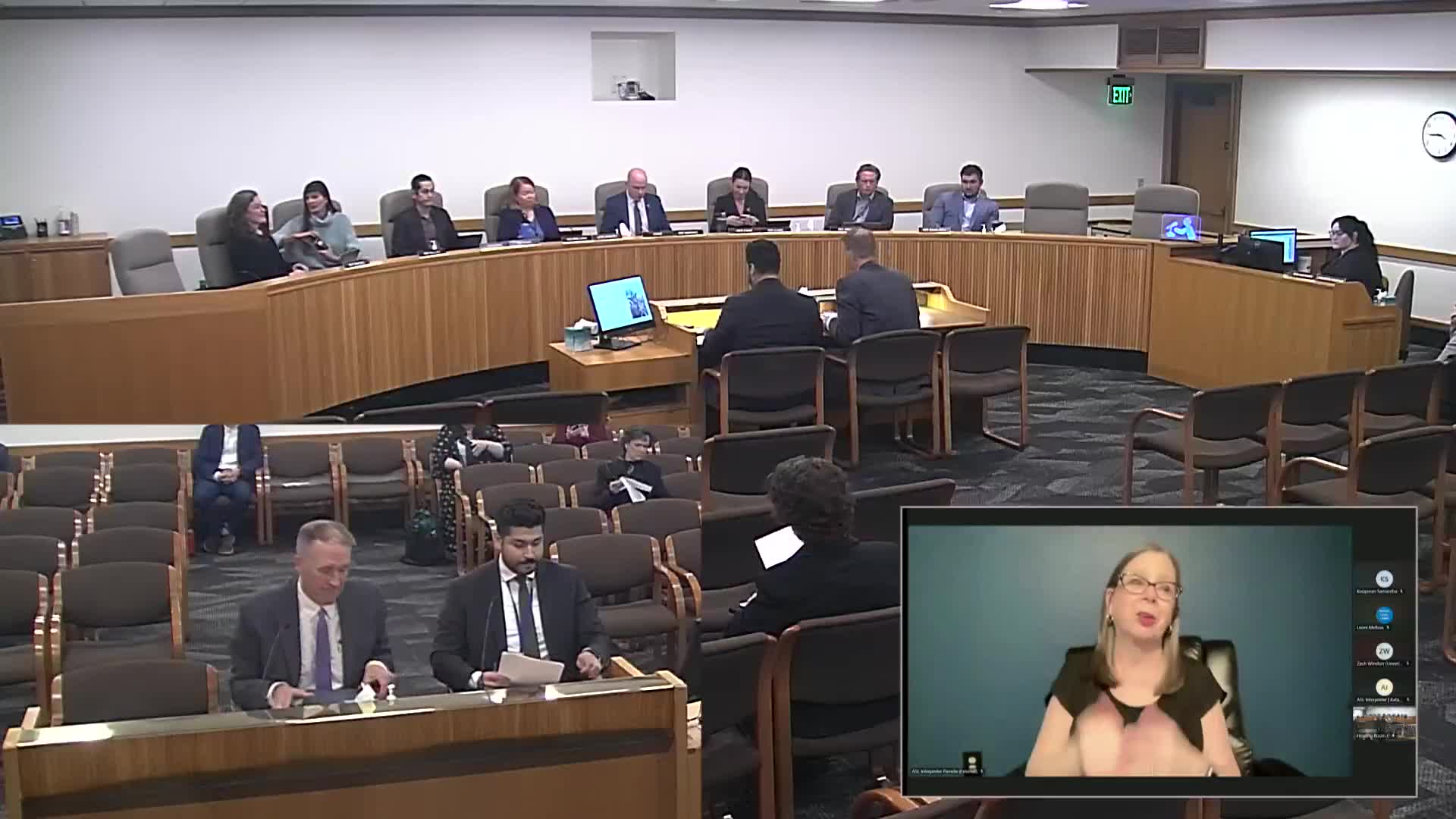
Zach Winston, director of policy and outreach at the Oregon Justice Resource Center, said roughly 12,000 people are incarcerated in Oregon and described previous proposals that would permit incarcerated people to register using their last voluntary address and receive ballots and voter pamphlets while in custody. "My voice, even as small as it could be, joined with other voices to be heard," Winston read from letters submitted by people in custody explaining why voting matters.
Kyle Cohen Black, a policy associate at the same organization and formerly incarcerated, described reentry benefits: "Voting after being released made me feel engaged and connected to my family, to Oregon, and my community." He said allowing voting in custody can be one component of improving rehabilitation and reducing recidivism because more than 95% of people in prison return to their communities.
Frank Stiefel of Common Cause Oregon framed the proposal as consistent with Oregon’s history of expanding voter access (universal vote-by-mail and automatic registration) and said disenfranchisement disproportionately affects low-income and racial minority communities.
Presenters outlined practical proposals: allow registration in the county tied to an incarcerated person’s last voluntary address (or a definable location if they lack one), use the correctional facility as a mailing address, ensure receipt of ballots and voter materials in custody, and repeal language that prevents those with last voluntary addresses in Oregon from registering if held in federal facilities. Advocates said these provisions avoid inflating voter rolls in counties where prisons are located while preserving community ties.
Committee time was limited; presenters closed by asking legislators to continue the conversation in 2026 and to pursue policy language that would allow incarcerated Oregonians to register, update registration and vote while in custody.
No formal vote or committee action was taken during the informational hearing.
Don't Miss a Word: See the Full Meeting!
Go beyond summaries. Unlock every video, transcript, and key insight with a Founder Membership.
30-day money-back guarantee
Sponsors
Proudly supported by sponsors who keep Oregon articles free in 2025

