Commission hears 'Healthy Hands' update: organizers report $35,000 in food donations and urge broad communication to reach needy seniors
November 19, 2025 | Stow City, Summit County, Ohio
This article was created by AI summarizing key points discussed. AI makes mistakes, so for full details and context, please refer to the video of the full meeting. Please report any errors so we can fix them. Report an error »
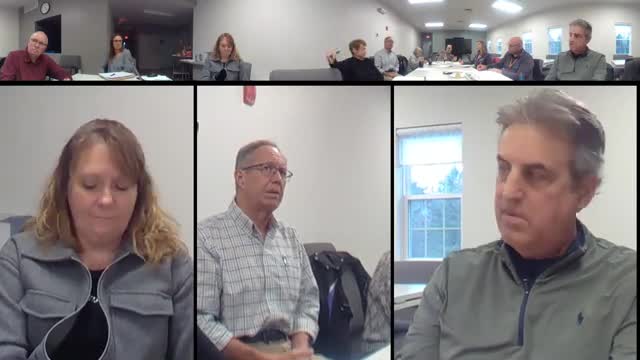
"We probably collected about $35,000 in food and about $10,000 in cash," Speaker 6 said, describing collection activity and how donations were channeled through partner groups. He emphasized the need to keep assistance anonymous and routed through organizations rather than providing individual cash gifts from the city: "As a city, we cannot go ahead and singly point out one person," he said, explaining legal or policy limits on direct distributions.
Speaker 6 also offered local need measures: he said about 17.5% of residents receive SNAP benefits, and he cited a county-level figure that a large share of aid recipients are working. Commissioners used those numbers to argue for broad outreach rather than targeting individuals publicly, stressing that postcards, mailed materials, printed fridge cards, and a hotline routed to the mayor’s office/Brookhoff could help connect residents to services.
Commissioners flagged logistical issues for outreach: limited marketing staff who handle web, newsletter and emergency communications, and postal delivery delays that can affect campaign timing. Staff and volunteers agreed to coordinate postcard copy, QR codes and a hotline number to be routed to an office (Speaker 6 said the mayor’s office would take Helping Hands referrals to Brooke/Brookhoff).
No independent verification of the donation totals or SNAP percentage was presented at the meeting; figures were stated by a commissioner as part of the briefing and characterized as estimates for planning purposes.
Don't Miss a Word: See the Full Meeting!
Go beyond summaries. Unlock every video, transcript, and key insight with a Founder Membership.
30-day money-back guarantee
Sponsors
Proudly supported by sponsors who keep Ohio articles free in 2025

