College of the Redwoods faculty and hosts debate scope and limits of academic freedom
November 19, 2025 | Humboldt County, California
This article was created by AI summarizing key points discussed. AI makes mistakes, so for full details and context, please refer to the video of the full meeting. Please report any errors so we can fix them. Report an error »
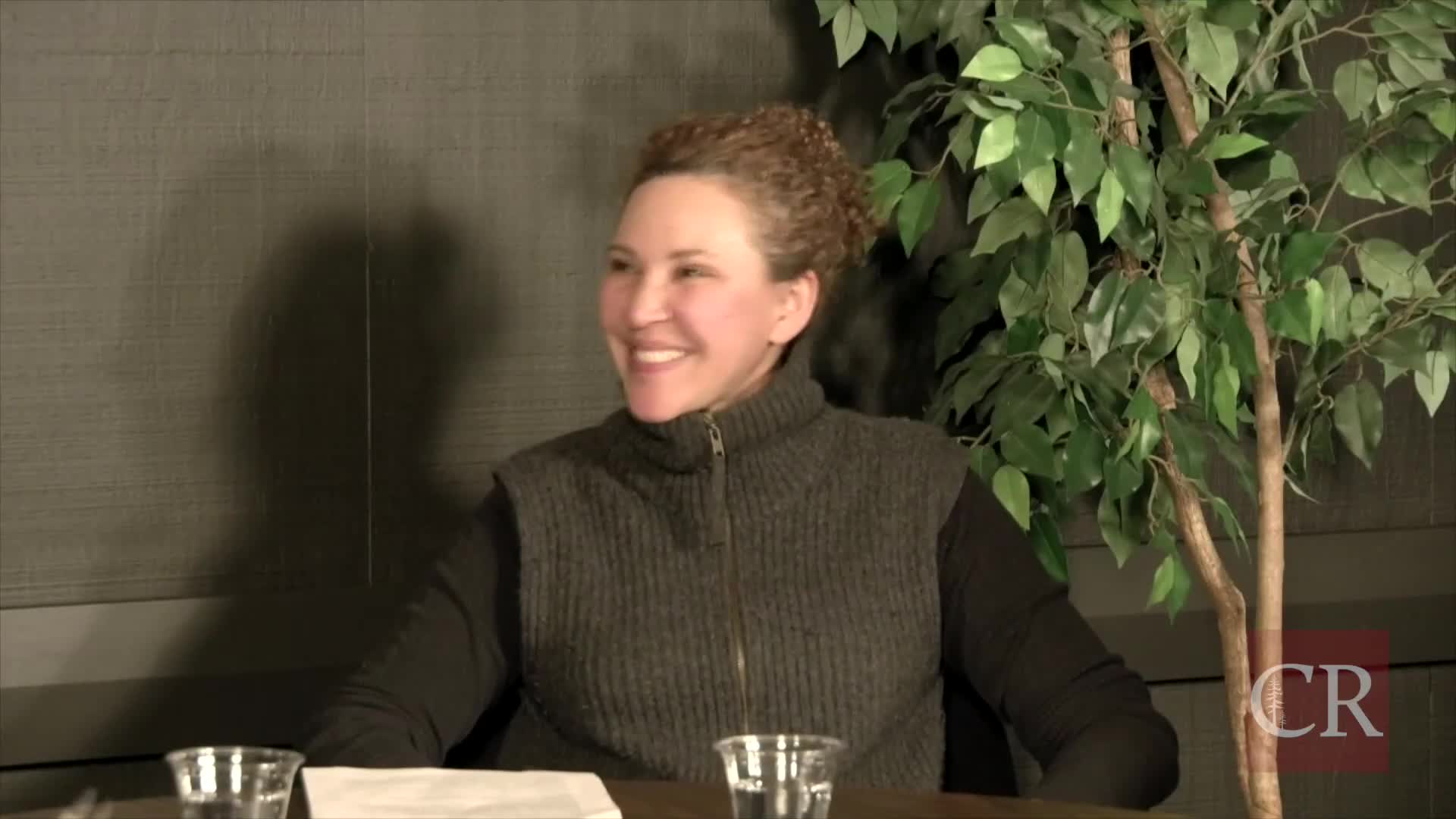
John Johnston, who identified himself as a philosophy professor at College of the Redwoods, outlined a three-part definition of academic freedom: the freedom to research and publish; the freedom to teach and speak on subject matter in the classroom; and a broader freedom for faculty to speak on matters of public or institutional interest and to participate in shared governance. "Academic freedom is usually broken into three areas," Johnston said, tracing the idea from medieval scholastic inquiry through Immanuel Kant and noting formal professional statements developed by faculty organizations in the 20th century.
Panelists discussed how those principles play out in practice. Natalia Magalies, who said this is her tenth year at the college, distinguished academic freedom from free speech by emphasizing disciplinary norms: "Academic freedom pertains to the pursuit of knowledge within the field," she said, while free speech more broadly protects an individual’s right to express opinions outside institutional roles. Both she and Johnston said professors must respect professional and disciplinary standards in the classroom and that protections do not license teaching material that lies outside accepted disciplinary research.
The group also addressed how college administrators should respond when community members complain about classroom content. Dr. Keith Glamer, introduced as cohost and speaking in an administrative capacity, said the institution should protect faculty rights while relying on shared governance structures for guidance. He said he would "always protect the faculty’s right to teach their purview," and added that he would expect faculty governance bodies to advise on responses to complaints.
Speakers noted modern pressures that can force administrative responses even when academic standards are met. Magalies warned that "social media storms" and news cameras can create public pressure that makes institutional responses more likely, while Johnston cautioned that abuse of academic freedom or loss of public confidence could harm higher education’s standing; he cited a Pew survey showing a substantial share of the public views universities skeptically.
The program contrasted missions at research universities and community colleges: panelists said R1 institutions may tolerate broader intellectual risk, while community college instructors often balance challenging students with urgent workforce and certificate goals. No formal motions, votes, or policy changes were proposed on the program; the hosts signaled a desire to continue the discussion in a later segment.
The show contained no formal decisions and closed for a break; panelists suggested future episodes could examine funding trails, governance processes and how specific complaints are handled within College of the Redwoods.
Don't Miss a Word: See the Full Meeting!
Go beyond summaries. Unlock every video, transcript, and key insight with a Founder Membership.
30-day money-back guarantee
Sponsors
Proudly supported by sponsors who keep California articles free in 2025

