Book Cliffs bison plan recommended after presentation from local biologist
November 19, 2025 | Utah Department of Natural Resources, Utah Government Divisions, Utah Legislative Branch, Utah
This article was created by AI summarizing key points discussed. AI makes mistakes, so for full details and context, please refer to the video of the full meeting. Please report any errors so we can fix them. Report an error »
Sampson said the recommended change would create separate objectives for Bitter Creek and for the Little Creek/roadless area, allowing managers to provide better hunt opportunities and adapt to herd movement. He also noted committee participation and that two listed committee members were unable to attend some meetings; the members present reached consensus on recommendations.
RAC members asked about predicted impacts of increasing population objectives (an example discussed was raising an overall objective from about 450 to about 650), distribution effects and coordination with adjacent jurisdictions. Sampson said the plan anticipates gradual growth with monitoring to adapt as the population changes.
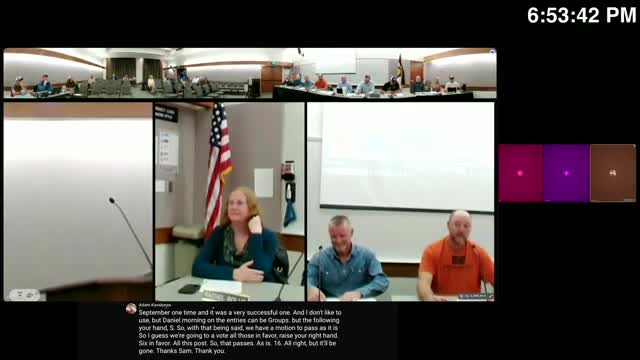
A motion to accept the Book Cliffs bison management plan as presented was moved, seconded and recorded as passing unanimously. The division will now carry the recommendation forward to the wildlife board for formal adoption and implementation planning.
View the Full Meeting & All Its Details
This article offers just a summary. Unlock complete video, transcripts, and insights as a Founder Member.
30-day money-back guarantee
Sponsors
Proudly supported by sponsors who keep Utah articles free in 2025

Excel Chiropractic

