Town committee reviews speed‑hump survey, orders Glenwood restudy and directs removals/retains by street
November 19, 2025 | Atherton Town, San Mateo County, California
This article was created by AI summarizing key points discussed. AI makes mistakes, so for full details and context, please refer to the video of the full meeting. Please report any errors so we can fix them. Report an error »
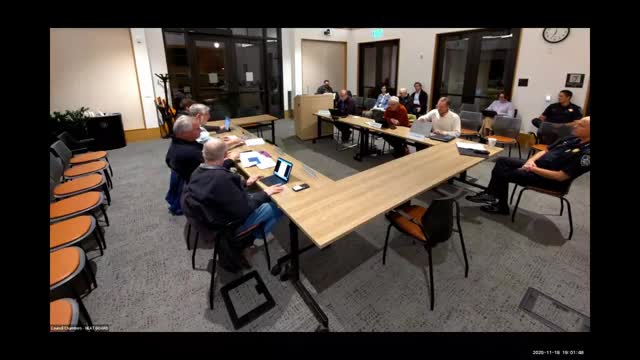
Gabriela said some streets (for example, Glenwood and Maple) showed majority resident support for retaining or making humps permanent; other main-route segments such as portions of Selby and Stockbridge drew majority requests for removal. The staff team recommended further resident outreach at affected streets and use of a more gradual insert piece to reduce the fatigue/jarring effect of off‑the‑shelf temporary plastic humps.
Committee members pressed for objective evaluation of effectiveness. The police chief (unnamed in the transcript) and staff said the town uses a standard 7‑day automated speed/count study and collision history to evaluate whether a true speeding problem exists; staff said many citizen speed complaints did not show a speed problem on those short studies. Residents countered that humps create noise and vehicle vibration, especially when placed adjacent to bedroom windows, and argued humps should be sited where measured speeding or cut‑through traffic occurs.
After discussion, the committee voted to proceed with a focused outreach and restudy for Glenwood to examine adding a second hump (committee recorded a voice vote in favor), directed staff to remove selected humps where residents preferred removal, and to retain or consider lower‑profile permanent designs or raised crosswalks near schools during paving projects. Staff said removals could be implemented quickly, but any relocations or permanent installations would require resident outreach and possible inclusion in future paving schedules.
Don't Miss a Word: See the Full Meeting!
Go beyond summaries. Unlock every video, transcript, and key insight with a Founder Membership.
30-day money-back guarantee
Sponsors
Proudly supported by sponsors who keep California articles free in 2025

