Board discusses random drug-testing policy, hospital testing options and costs
November 19, 2025 | Greene County, Indiana
This article was created by AI summarizing key points discussed. AI makes mistakes, so for full details and context, please refer to the video of the full meeting. Please report any errors so we can fix them. Report an error »
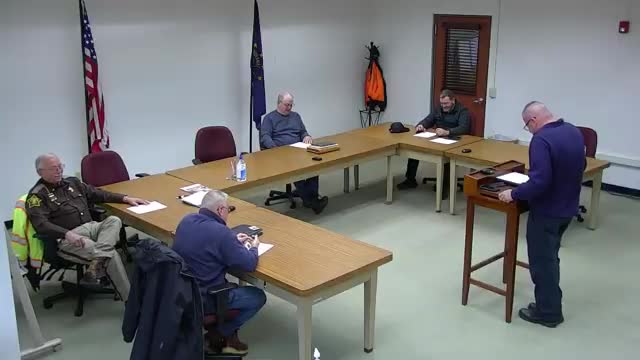
Speaker 4 noted the hospital is the service’s sponsoring institution and said the occupational-health agreement might allow testing through the hospital, but that costs and the scope of testing (urine screening with reflex to blood draw for fentanyl) must be confirmed. Speaker 1 said the director’s medical staff recommended a policy and that the hospital’s testing protocols would inform the ambulance service’s approach.
What was said: Board members estimated the workforce at roughly 26 full-time employees and observed that testing frequency and coverage will depend on available funds. ‘‘We’ve not been doing any [random testing],’’ Speaker 1 said, and board members discussed a percentage-based approach to random testing or a quarterly sampling program. Speaker 4 cautioned that fentanyl screening could require different lab handling and could increase costs.
Next steps and budget: Speaker 2 and Speaker 4 agreed to check whether the hospital can provide appropriately certified testing (including CDM requirements) for a group of employees, or whether a third-party vendor would be necessary, and to report findings and cost estimates at the next meeting. The board also discussed the possibility of including ambulance employees in the county highway random-testing program if administratively feasible.
No formal policy vote was taken; the item remains under investigation and will return to the board with cost and operational options.
View the Full Meeting & All Its Details
This article offers just a summary. Unlock complete video, transcripts, and insights as a Founder Member.
30-day money-back guarantee
Sponsors
Proudly supported by sponsors who keep Indiana articles free in 2025

