Kern County supervisors warned HR 1 could cut benefits and raise county costs; board receives budget update and approves position changes
November 19, 2025 | Kern County, California
This article was created by AI summarizing key points discussed. AI makes mistakes, so for full details and context, please refer to the video of the full meeting. Please report any errors so we can fix them. Report an error »
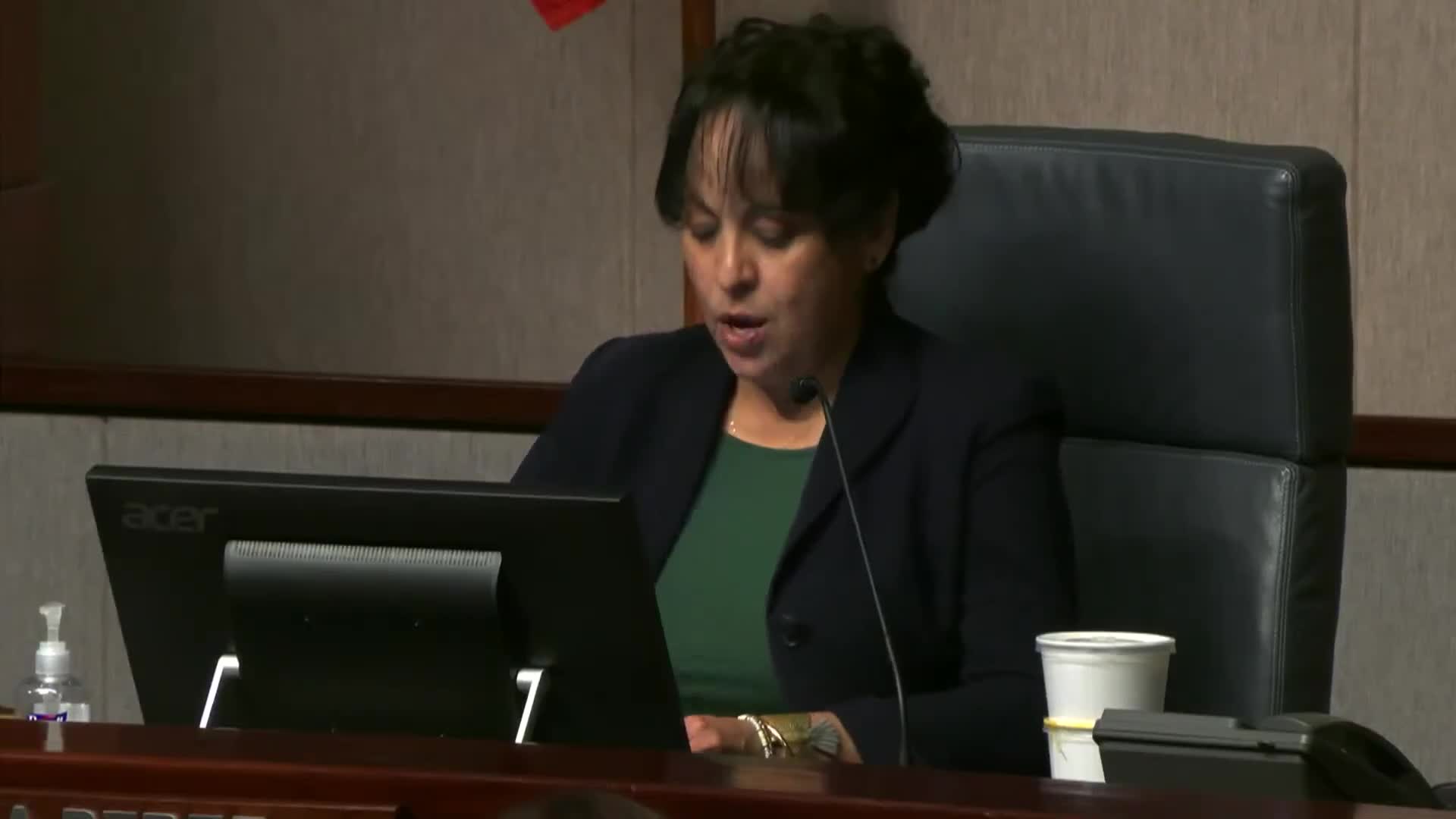
Budget Director Alex Alba told the Board of Supervisors the county’s adopted FY 2025–26 budget totals $4.5 billion in expenditures and includes a $68.9 million (5.4%) increase in salary and benefits and a net addition of one position. Alba said first‑quarter adjustments brought before the board totaled $633,000 and that general‑fund discretionary revenue is budgeted at about $729.4 million.
The Human Services presentation focused on how HR 1’s changes to SNAP (CalFresh) and Medicaid (Medi‑Cal) could affect Kern County. “We have approximately 207,000 people currently on CalFresh right now in Kern County,” Human Services Director Lito Morello said, explaining that wider work requirements and tightened eligibility could put roughly 18,000 local residents at risk of losing benefits if they cannot meet new work or volunteer thresholds. Morello also described new state and federal cost‑share rules and an administrative cost shift that staff estimate could create a county shortfall in the range of $5 million to $19 million in the near term.
Why it matters: HR 1’s changes combine eligibility tightening with new state cost exposures tied to error rates and administrative funding formulas. County officials told supervisors that because so much of the county’s safety‑net spending is funded through restricted state and federal sources, reductions or new county cost shares would force program adjustments, increase demand for county‑run indigent care and behavioral‑health services, and add substantial operational burdens for staff who will have to process more renewals and new eligibility rules.
Supervisors pressed staff for specifics. Questions included how the county would document volunteer or education hours that count toward new work requirements, and where Kern stands on transient occupancy tax (TOT) compared with neighboring cities and counties. Staff said final federal and state guidance is not yet available and promised follow‑ups: a midyear budget status report is scheduled for Feb. 24, 2026, and staff committed to return with TOT comparisons and a phased mitigation strategy.
Board action and next steps: Supervisor Couch moved and Supervisor Flores seconded staff’s recommendation to receive and file the first‑quarter report and to approve the summarized additions and deletions to department positions (effective Nov. 29, 2025). The board voted unanimously to approve the motion. Staff said they are forming a working group and coordinating with other counties and community organizations to explore volunteer‑tracking and other mitigation options.
Votes at a glance: receive and file budget report and position changes — mover: Supervisor Couch; second: Supervisor Flores; outcome: approved unanimously (5–0). Consent agenda — approved unanimously (5–0). Motion to adjourn — moved by Supervisor Jeff Flores; meeting closed with thanks and Thanksgiving wishes.
The board will reconvene Dec. 9; staff will return Feb. 24, 2026, with a midyear budget status report and additional mitigation recommendations related to HR 1.
View the Full Meeting & All Its Details
This article offers just a summary. Unlock complete video, transcripts, and insights as a Founder Member.
30-day money-back guarantee
Sponsors
Proudly supported by sponsors who keep California articles free in 2025

