Appellate counsel says denial of continuance deprived defense of digital-forensics review; state says no prejudice shown
November 19, 2025 | Judicial, Tennessee
This article was created by AI summarizing key points discussed. AI makes mistakes, so for full details and context, please refer to the video of the full meeting. Please report any errors so we can fix them. Report an error »
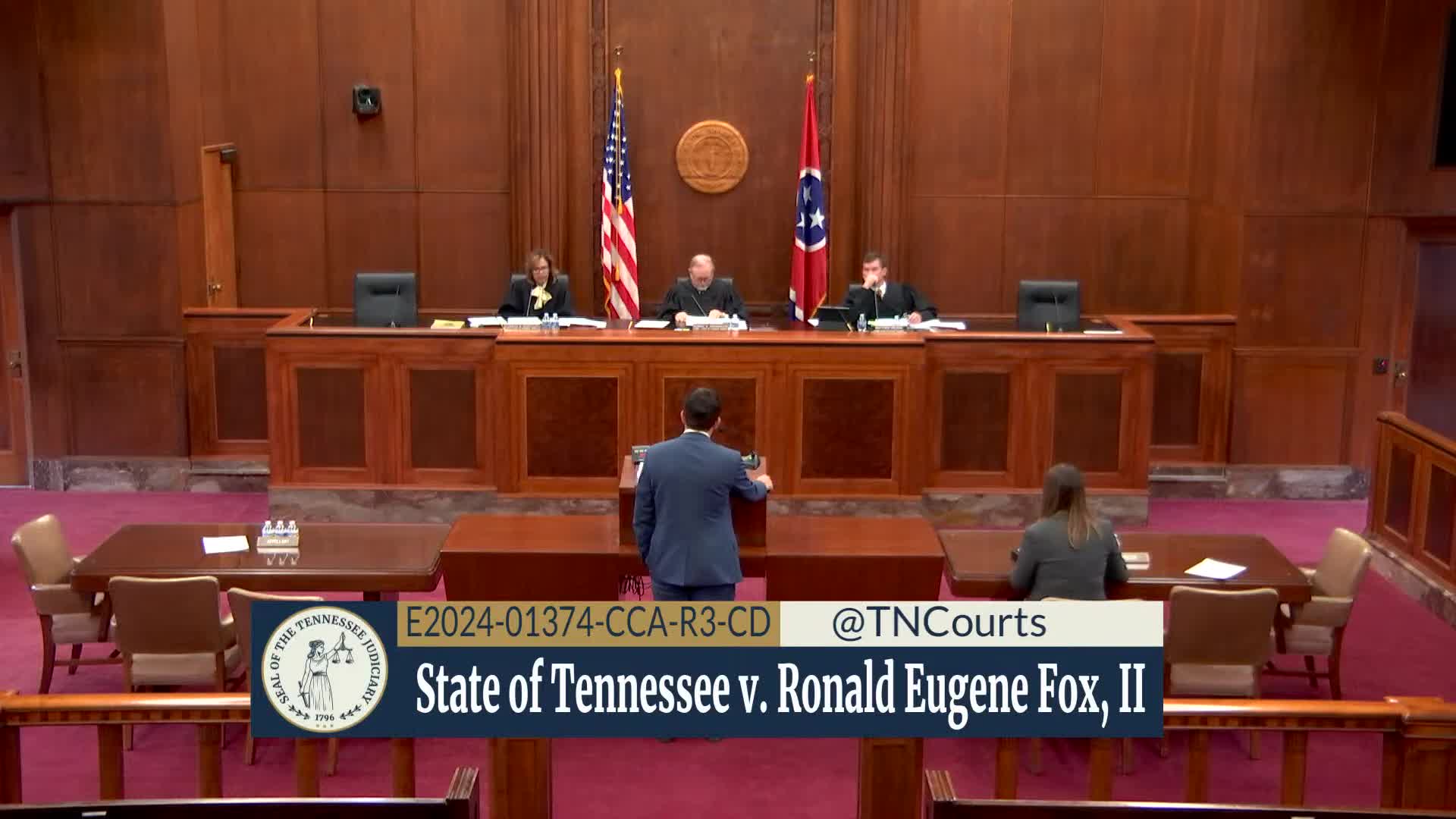
The defense told the appellate panel it relied on the trial record and briefs for two other issues but would argue primarily that the court's refusal to grant additional time denied the defense access to potentially material app and location data that could bear on premeditation and on whether another person might have been involved. "A person's entire life is on a cell phone," counsel said, arguing that app data and full extractions could reveal communications not present in the State's limited extraction.
Catherine Redding, speaking for the State, said the trial court acted within its discretion and emphasized the appellant must show that denial of the continuance produced actual prejudice or that a different result was reasonably likely if extra time had been granted. The State argued the defense's claims were speculative, noting the record lacked a follow-up affidavit from the defense expert describing what additional data would have been found in an extra 15'45 days.
Counsel told the court the defense filed a second motion to continue on April 4, 2023, after supplemental digital discovery had been provided on March 17, 2023; counsel said he sought an expert willing to work for the AOC rate but could not find one and that the expert the defense initially retained (Mr. Morris) had stated he would need 30 to 60 days to complete his work. Counsel also told the panel that Mr. Morris later died, which the defense said hampered efforts to obtain replacement expertise.
The defense additionally conceded it did not file a written request for a voluntary-manslaughter jury instruction (as referenced in the transcript) but asked the court to consider plenary review or, in the alternative, plain-error review, arguing the request had been raised contemporaneously in the trial court and preserved in post-trial motions and replies.
The State countered that the failure to file a written request constituted a waiver of the instruction and that, even if error existed, the sequential instructions and the jury's conviction for first-degree murder rendered any omission harmless. "The defendant simply cannot meet his burden here," Redding told the panel, pressing that the defense offered argument but not the concrete showing of prejudice required to overturn the trial court's decision.
The panel complimented the briefs, said it would take the matter under advisement and recessed for a short break. No ruling was issued at argument.
Next steps: the appellate court will issue a decision after reviewing the record and briefs.
View the Full Meeting & All Its Details
This article offers just a summary. Unlock complete video, transcripts, and insights as a Founder Member.
30-day money-back guarantee
Sponsors
Proudly supported by sponsors who keep Tennessee articles free in 2025

