Iowa hospitals and LifeServe launch state-awarded pilot to put blood on ambulances
November 17, 2025 | Des Moines, Polk County, Iowa
This article was created by AI summarizing key points discussed. AI makes mistakes, so for full details and context, please refer to the video of the full meeting. Please report any errors so we can fix them. Report an error »
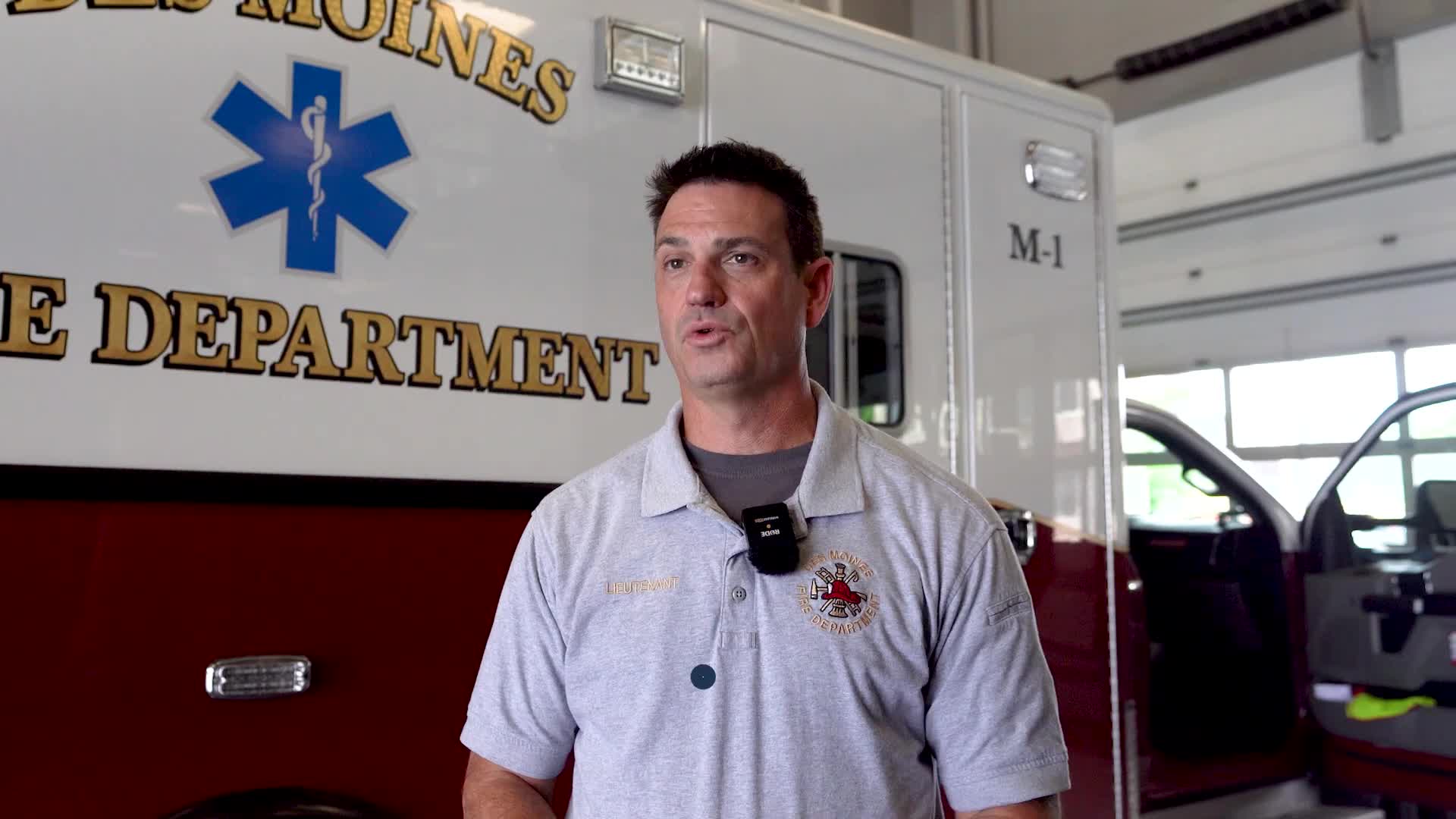
"The idea of this project is to be able to bring that life saving blood transfusion to the scene and enable the medics to administer the treatment before getting to the hospital," Speaker 2 said, describing the operational goal. Speaker 1 added, "The state did award us a pilot project," and said the partners are "building the model that the rest of the state's gonna follow."
Why it matters: Presenters said earlier transfusion can improve survival after severe bleeding. "The sooner we can get blood to the patients, the better chance they have of surviving a traumatic injury by the time they get to the hospital," Speaker 1 said. Speaker 2 noted the change could be particularly important for rural Iowans: "There's a lot of areas in the state where people are a long way from a trauma center, and so being able to get them the life saving blood that they need before they get to the hospital is... gonna help so many people in the state."
Scope and context: Speaker 2 said, "Nationwide, it's only about 2 percent of EMS units are able to initiate a blood transfusion before getting to the hospital," and added, "In Iowa, this is going to be the first." Presenters characterized the pilot as a template for wider adoption but did not specify the pilot's funding amount, the state office that issued the award, or a timetable for deployment.
What presenters promised and did not specify: They said they are ready to "distribute to the streets" and framed the project as an "enormous" shift in care — "Getting blood to people before they get to the hospital has the potential to be the single biggest life saving change that we can make over the past several decades," Speaker 2 said. The presentation did not include detailed operational protocols, the number of ambulances to be equipped, precise timelines, or the specific terms of the state's pilot award.
The presenters described the effort as a local partnership among hospitals and a blood center, and as a state-backed pilot intended to serve as a model for other parts of Iowa. Next steps described in the presentation included building the implementation framework; no formal vote or further procedural action was recorded in the transcript.
Don't Miss a Word: See the Full Meeting!
Go beyond summaries. Unlock every video, transcript, and key insight with a Founder Membership.
30-day money-back guarantee
Sponsors
Proudly supported by sponsors who keep Iowa articles free in 2025

