Appeals court hears wage‑act dispute over late pay, bounced check and attorney fees
November 18, 2025 | Judicial - Appeals Court Oral Arguments, Judicial, Massachusetts
This article was created by AI summarizing key points discussed. AI makes mistakes, so for full details and context, please refer to the video of the full meeting. Please report any errors so we can fix them. Report an error »
Appellant counsel Anastasia Doherty told the three‑judge panel that Giacino, a former patient‑care coordinator, attested by affidavit that the employer agreed to pay $15 an hour and that she worked roughly 94 hours of unpaid time. Doherty argued that, even though the record contains a paycheck and disputed payroll entries, summary‑judgment standards require courts to accept an affidavit that creates a genuine issue of material fact.
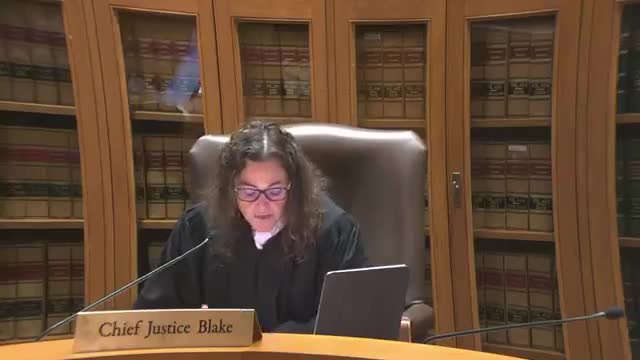
Chief Justice Amy Blake and the panel repeatedly pressed Doherty on documentary evidence. Bench questions focused on an inconsistency between Doherty’s $15‑per‑hour claim and payroll records showing $13 per hour; on whether there was any contemporaneous evidence other than the affidavit; and on the impact of a June 7 paycheck that was deposited but, according to the appellant’s records, bounced.
Appellee counsel Ernest Horn said the employer’s failure to pay on time coincided with a serious medical emergency: he described a quadruple‑bypass surgery that incapacitated the employee who handled payroll. Horn argued the record shows the employer took steps to pay once it could, that the circumstances were not unscrupulous, and that courts should consider impossibility or extraordinary events in equitable relief.
At issue in argument were (1) the proper construction of Section 150 of the Massachusetts Wage Act — which restricts available defenses and authorizes statutory treble damages and attorney’s fees for late payment — and (2) whether post‑filing or post‑service tender of payment may affect liability or attorney‑fee awards under existing SJC case law (the parties discussed Dixon and Rauter). Doherty urged that post‑complaint tender is not a defense to wage‑act liability and that the plaintiff is entitled to fees if liability is found.
The panel also asked about gaps in the appellate record: counsel acknowledged not all lower‑court exhibits were before the court and discussed whether supplementation was necessary for de novo review.
After extended questioning on the contested hourly rate, the June 7 tender, and the significance of the affidavit, the panel took the case under advisement. The court did not issue a decision from the bench; a written opinion will follow.
Don't Miss a Word: See the Full Meeting!
Go beyond summaries. Unlock every video, transcript, and key insight with a Founder Membership.
30-day money-back guarantee
Sponsors
Proudly supported by sponsors who keep Massachusetts articles free in 2025

