New Hanover County adopts resolution opposing Chemours Fayetteville Works expansion over PFAS concerns
November 18, 2025 | New Hanover County, North Carolina
This article was created by AI summarizing key points discussed. AI makes mistakes, so for full details and context, please refer to the video of the full meeting. Please report any errors so we can fix them. Report an error »
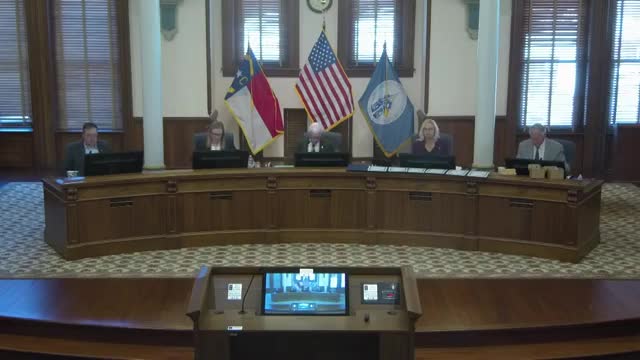
The resolution, read into the record by a board member, states that Chemours and its predecessor DuPont have released PFAS, including GenX, into the Cape Fear River since at least 1980 and that downstream contamination poses ongoing public-health and environmental concerns for the roughly 500,000 North Carolinians who rely on the river as a primary drinking-water source. It asks the U.S. Environmental Protection Agency and the North Carolina Department of Environmental Quality to deny permit applications that may endanger public health or violate federal or state law.
The document asks that Chemours first fully remediate existing contamination, demonstrate sustained compliance with consent orders and permit conditions, provide independent verifiable data showing proposed operations will not increase PFAS releases, and document financial compensation to local governments and utilities for treatment and remediation costs.
“Safe, clean and reliable drinking water is essential to the health and well‑being of county residents,” the resolution reads. Commissioners who supported the resolution framed it as an effort to protect downstream utilities and ratepayers who have invested in treatment upgrades.
The resolution was adopted by voice vote with the board recording “aye.” The board’s action is a formal expression of opposition and requests regulatory agencies to exercise oversight; it does not itself impose regulatory penalties or modify permits.
Next steps cited by commissioners included sharing the resolution with state and federal regulators and coordinating with regional utilities and affected counties on technical comments and remediation expectations.
View the Full Meeting & All Its Details
This article offers just a summary. Unlock complete video, transcripts, and insights as a Founder Member.
30-day money-back guarantee
Sponsors
Proudly supported by sponsors who keep North Carolina articles free in 2025

