Spokane County reviews federal priorities and warns against cutting SAMHSA and Medicaid funding
November 18, 2025 | Spokane County, Washington
This article was created by AI summarizing key points discussed. AI makes mistakes, so for full details and context, please refer to the video of the full meeting. Please report any errors so we can fix them. Report an error »
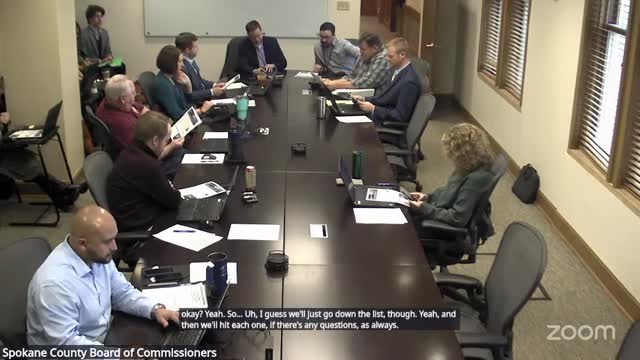
A staff presenter told the board that combining SAMHSA block grants or reducing 9‑8‑8 funding could reduce the county’s flexibility and ability to support regional crisis services. The presenter said Washington’s region is operating a vertically integrated crisis line and that further cuts could force Spokane County to shoulder a larger share of operational costs.
The presentation also warned that proposed changes to Medicaid eligibility and redeterminations could move some residents from Medicaid to non‑Medicaid services, creating additional demand for county behavioral‑health, housing and crisis supports. "If that changes and they're no longer having access to Medicaid, we may have individuals living independently no longer have access, which could further compound homelessness and medical‑debt challenges," the presenter said (attributed to county staff).
Commissioners discussed related federal priorities, including support for Justice Mental Health Collaboration grants and Federally Qualified Health Center reimbursement. They also asked staff to monitor proposed changes to the highway trust fund — a separate federal proposal that would limit use of highway‑trust funds for transit — because that debate could affect local transportation projects.
Staff recommended the board include preserving separate SAMHSA allocations, sustaining 9‑8‑8 core funding and maintaining current Medicaid levels in the county's federal agenda for congressional visits. The commissioners agreed to keep these items on the tracking document and to refine delegation requests ahead of planned visits to Washington, D.C.
Next steps: staff will finalize a federal priorities packet for the county delegation and return with a prioritized list before any congressional visits.
View the Full Meeting & All Its Details
This article offers just a summary. Unlock complete video, transcripts, and insights as a Founder Member.
30-day money-back guarantee
Sponsors
Proudly supported by sponsors who keep Washington articles free in 2025

