Board tables proposal to raise summer school fees amid equity concerns
November 18, 2025 | Naperville CUSD 203, School Boards, Illinois
This article was created by AI summarizing key points discussed. AI makes mistakes, so for full details and context, please refer to the video of the full meeting. Please report any errors so we can fix them. Report an error »
Administration recommended maintaining a comprehensive summer program while raising tuition roughly 20% to reduce the program’s operating shortfall; program materials show current projected summer program revenue of about $1.0 million versus expenses of roughly $2.0 million, leaving district subsidies for programming and services (transportation and nutrition). Finance staff estimated the 20% tuition increase would generate approximately $150,000 in additional revenue.
Several trustees objected to passing the fee increase without seeing targeted options to reduce program costs or evidence of program effectiveness. Trustee Melissa Kelly Black said the board needs to know which offerings produce measurable academic benefit for at‑risk students and special education (ESY) participants before approving a tuition increase. Trustee Holly Blastick raised equity concerns and noted that, although free and reduced‑price students attend at no charge, many families who do not qualify are still under financial strain.
Board members requested administration return with a menu of alternatives: a tiered fee structure that keeps core, credit‑recovery and ESY classes affordable while placing higher fees on enrichment camps; higher minimum enrollment thresholds for underperforming sites; and an analysis of per‑course costs (transportation, staffing, nutrition). The board emphasized the need for timely community notice: summer offerings are traditionally published early so parents can plan, but trustees said they prefer more options and clearer cost/benefit data before approving changes to fees.
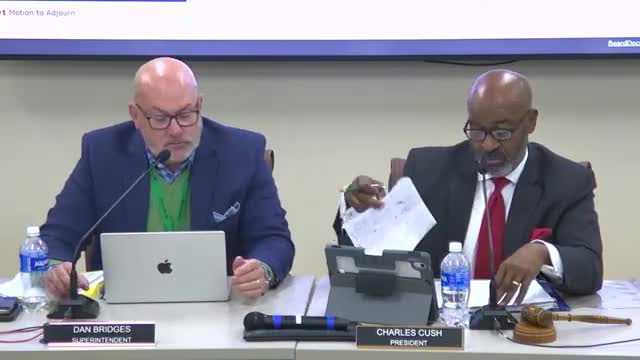
Outcome: The board moved and voted to table items 10.01 and 10.02 (summer program and fees) and asked administration to return with alternative proposals and impact estimates. No fees were adopted on Nov. 17.
What to watch: Administration will return with a set of options that quantify savings, lost revenue and likely family impacts; the board indicated it expects cost/benefit information well ahead of the January–May budget timeline so families can plan.
View the Full Meeting & All Its Details
This article offers just a summary. Unlock complete video, transcripts, and insights as a Founder Member.
30-day money-back guarantee
Sponsors
Proudly supported by sponsors who keep Illinois articles free in 2025

