Anacortes council advances 2026 budget draft, debates opioid-settlement use for STAR Center and local programs
November 18, 2025 | Anacortes, Skagit County, Washington
This article was created by AI summarizing key points discussed. AI makes mistakes, so for full details and context, please refer to the video of the full meeting. Please report any errors so we can fix them. Report an error »
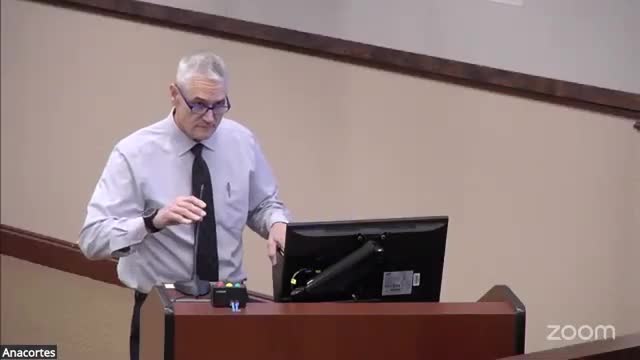
Finance Director Steve Hoagland said the draft operating budget rose from $114.8 million (as presented with the mayor’s budget message) to $115.4 million — a $685,000 net increase driven by reclassifications and timing shifts, including a $270,000 roll from 2025 to 2026 in the sewer fund and several grant‑funded capital adjustments. Hoagland reminded council the budget must return on Nov. 24 for final adoption after the public‑hearing process is closed.
Several public commenters urged preservation of library teen services. Linda Martin, a resident who reviewed department-level spending, told council she found the library’s allocation declining about 13% under the draft and submitted a spreadsheet for the record. A mental‑health clinician who has worked with teens urged the city to prioritize a teen advocate or teen center, citing recent youth mental‑health data and the library’s role as a safe space.
Council discussion focused on several technical items and one policy issue: how much of the city’s opioid‑settlement receipts to spend locally versus commit to a countywide STAR Center. Hoagland and finance staff explained the opioid receipts are tracked in a separate cash line; the draft budget currently identifies $110,000 in opioid‑settlement use for 2026 ($80,000 to cover half the School Resource Officer cost for one year and $30,000 for the Anacortes Family Center contract). Hoagland said the settlement receipts are being posted to cash reserves and then budgeted as planned uses.
Several council members — including Cleland McGrath and Hubick — urged caution about committing a large share of the settlement money to local line items, preferring to preserve funds to support the STAR Center project being developed at the county level. Councilmember Walters said the STAR Center is an appropriate opioid‑related use and argued the SRO is less directly tied to opioid treatment, although he did not advocate defunding the SRO. Walters suggested committing $30,000 to AFC and the balance of available settlement cash to the STAR Center if feasible.
Council asked staff for more transparent tracking of opioid receipts and expenditures; finance staff said they will provide a simple ledger showing receipts and prior uses and will monitor cash flow through the first quarter of 2026. Hoagland also proposed freezing the projected rainy‑day fund increase (keeping the reserve at about $5.5 million) to preserve approximately $490,000 of operating cash if needed.
The budget calendar remains: public hearings are open through the end of the formal notice period with a planned return for final budget adoption and CFP action at the Nov. 24 council meeting.
View the Full Meeting & All Its Details
This article offers just a summary. Unlock complete video, transcripts, and insights as a Founder Member.
30-day money-back guarantee
Sponsors
Proudly supported by sponsors who keep Washington articles free in 2025

