Bay City rejects proposed Flock license‑plate reader contract after lengthy debate and heavy public opposition
November 18, 2025 | Bay City, Bay County, Michigan
This article was created by AI summarizing key points discussed. AI makes mistakes, so for full details and context, please refer to the video of the full meeting. Please report any errors so we can fix them. Report an error »
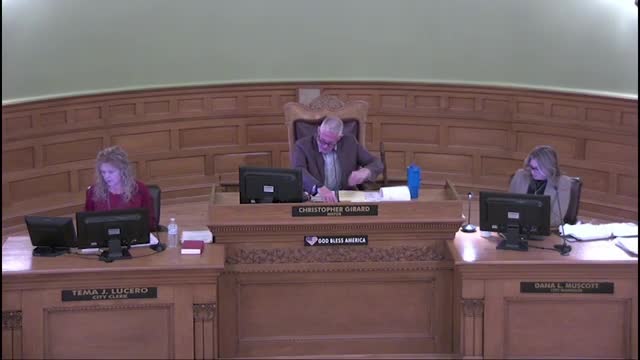
The commission’s meeting on Nov. 17 opened with two competing presentations. Gabriel Dresner, introduced by the commission as a policy strategist with the American Civil Liberties Union, told commissioners that LPRs “are a little‑noticed surveillance technology” that can produce long, searchable location histories and urged either forgoing the technology or adopting strict policies, including short retention limits and sharing restrictions. Dresner offered the ACLU’s model policy as a guide.
Representatives from Flock Group — introduced to the commission as Mike Lampman and Trevor Chandler — then detailed the vendor’s product and defenses. Flock said Bay City would own its data, that images are deleted after 30 days and that the company does not sell customer data. Presenters cited court rulings that have upheld LPR use in several federal circuits and listed technical and compliance certifications (FBI CJIS standards, SOC 2/3 and ISO 27001). Flock also described transparency tools, mandatory audit trails for searches and configurable sharing settings, and said filters can be enabled to block searches tied to immigration or reproductive‑health concerns.
Commissioners pressed both presenters and city staff on many specifics: whether Flock or third parties could legally disclose data in response to subpoenas or warrants; how data sharing between agencies would be controlled or audited; the distinction between images and derived metadata or ‘vehicle fingerprints’; whether multifactor authentication is enforced for agency logins; and how long audit trails persist. Flock representatives repeatedly said they notify the agency when they receive legal process, that sharing relationships can be limited, and that the company’s contracts include clauses requiring notification.
Residents filled the public‑comment period with objections. More than two dozen speakers said the contract would turn Bay City into “a node” in a broader surveillance network, risk retroactive tracking of citizens’ movements, and expose data to misuse or federal access. Several commenters invoked Carpenter v. United States and other legal precedents, raised FOIA/public‑records concerns, and urged reallocating funds toward fire, homelessness services or other priorities. Supporters of law enforcement also spoke but urged stronger community buy‑in and safeguards.
When the commission returned to the regular agenda, Commissioner Morris moved to approve the contract (seconded by Commissioner Zanotti). After further discussion — including the police director’s statement that the technology helps investigate stolen vehicles and nighttime shootings — the roll call produced two yes votes (Morris, Zanotti) and six no votes (Remberg, Charlebois, Cubitt, Coakley, Tenney, DeWitt). The motion failed.
Separately, Commissioner DeWitt had proposed a resolution formally rejecting the automated‑license‑plate reader contract and directing staff to reallocate funds currently in the city’s security‑camera account to other allowable public‑safety purchases and fire‑personnel equipment as appropriate; the commission referred that proposal to staff for a budget amendment and more detailed accounting.
At the same meeting, the commission approved three special orders — an obsolete property rehabilitation district application and a related 12‑year exemption certificate — and adopted an ordinance amendment removing a trash‑bag fee from the fee schedule, all by recorded roll call.
What’s next: commissioners referred Commissioner DeWitt’s funding‑reallocation resolution to staff for a formal budget amendment to return with precise fund sourcing and compliance checks. The city manager and public‑safety staff are expected to provide the requested details at a forthcoming meeting.
View the Full Meeting & All Its Details
This article offers just a summary. Unlock complete video, transcripts, and insights as a Founder Member.
30-day money-back guarantee
Sponsors
Proudly supported by sponsors who keep Michigan articles free in 2025

