252nd District Court docket call results in multiple pleas, sentences and bond rulings
November 18, 2025 | 252nd District Court, District Court Judges, Judicial, Texas
This article was created by AI summarizing key points discussed. AI makes mistakes, so for full details and context, please refer to the video of the full meeting. Please report any errors so we can fix them. Report an error »
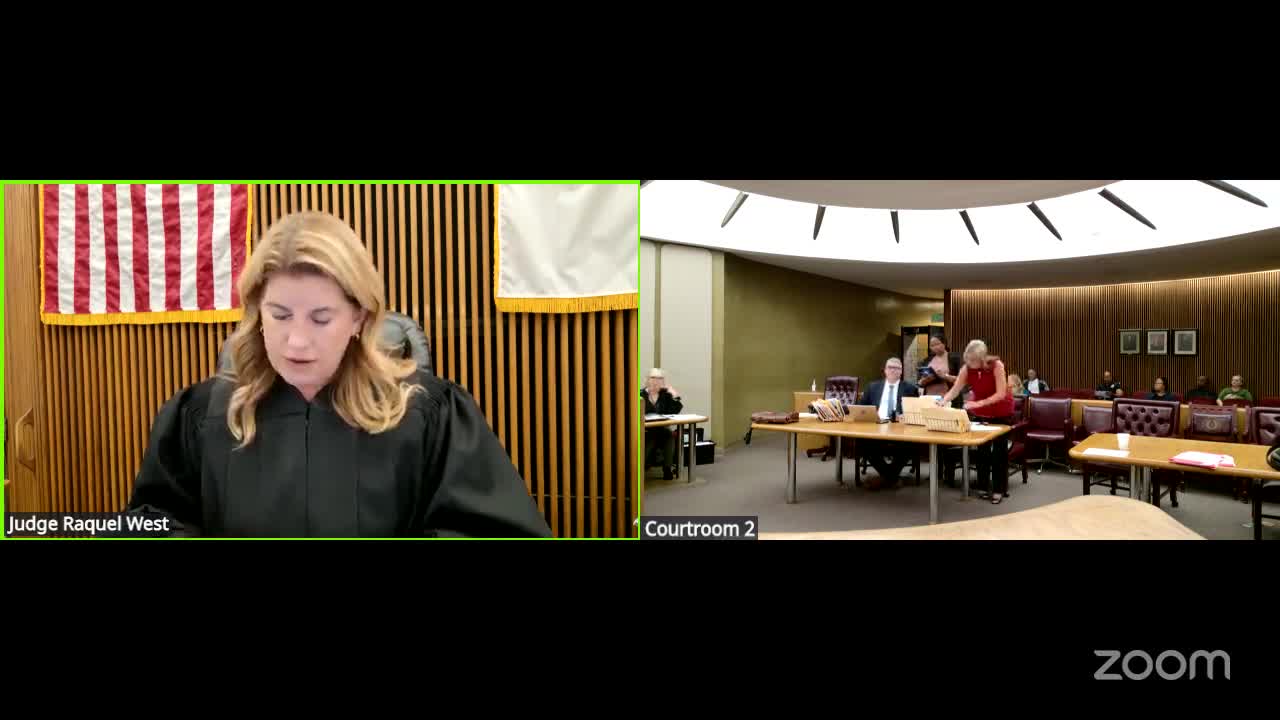
The court explained plea offers and trial options for several defendants and followed through on agreed punishments where counsel had signed plea paperwork. Khalil Bradley Harris rejected a district attorney cap offer of five years in his unlawful‑possession case and elected to set his matter for trial. Several defendants — including Jerodrick Randall and Byron Dequeer — pleaded true to probation‑violation counts; the court sentenced Dequeer to five years in the Texas Department of Corrections and Randall to an eight‑year term after amending counts to second‑degree robbery.
The judge granted a continuance and reduced bond to $25,000 for Robert Eaglin (aggravated assault with a deadly weapon) but added strict conditions: GPS monitoring, house arrest at a Beaumont address and restriction from leaving Beaumont except for court, medical or approved work. The court emphasized victim‑safety concerns raised by the prosecution and required monitoring to limit contact.
The court also addressed multiple probation‑revocation motions and sentencing hearings. Several defendants were given deferred probation with treatment conditions; others received state‑prison terms where their histories and the circumstances warranted incarceration. The court repeatedly handed defendants a trial‑court certification reflecting plea agreements and admonitions about firearm ineligibility under Texas law.
In one case, the court granted a writ of attachment to obtain Social Security records from a Dallas regional office for mitigation evidence in a pending murder prosecution; the judge instructed counsel to draft a more specific writ naming custodians and documents and placed the matter on the trial docket.
The docket call included routine administrative resets and coordination with out‑of‑county prosecutors. Where defendants asked for additional time to consult family or counsel, the court generally granted one final reset if parties were actively negotiating; otherwise, matters were scheduled for trial. The court recessed briefly at mid‑docket before finishing the remaining proceedings.
The outcomes at the hearing included a mix of treatment‑focused orders (ISF, Spindletop/Special Needs programming), straight sentences to the institutional division of the Texas Department of Corrections, and administrative steps to secure records and coordinate multi‑jurisdictional cases. Several defendants were admonished that failure to comply with probation or bond conditions would expose them to revocation and subsequent prison sentences.
View the Full Meeting & All Its Details
This article offers just a summary. Unlock complete video, transcripts, and insights as a Founder Member.
30-day money-back guarantee
Sponsors
Proudly supported by sponsors who keep Texas articles free in 2025

