Commissioners sharply divided over Tweetsie Trail extension and grant scope
November 18, 2025 | Carter County, Tennessee
This article was created by AI summarizing key points discussed. AI makes mistakes, so for full details and context, please refer to the video of the full meeting. Please report any errors so we can fix them. Report an error »
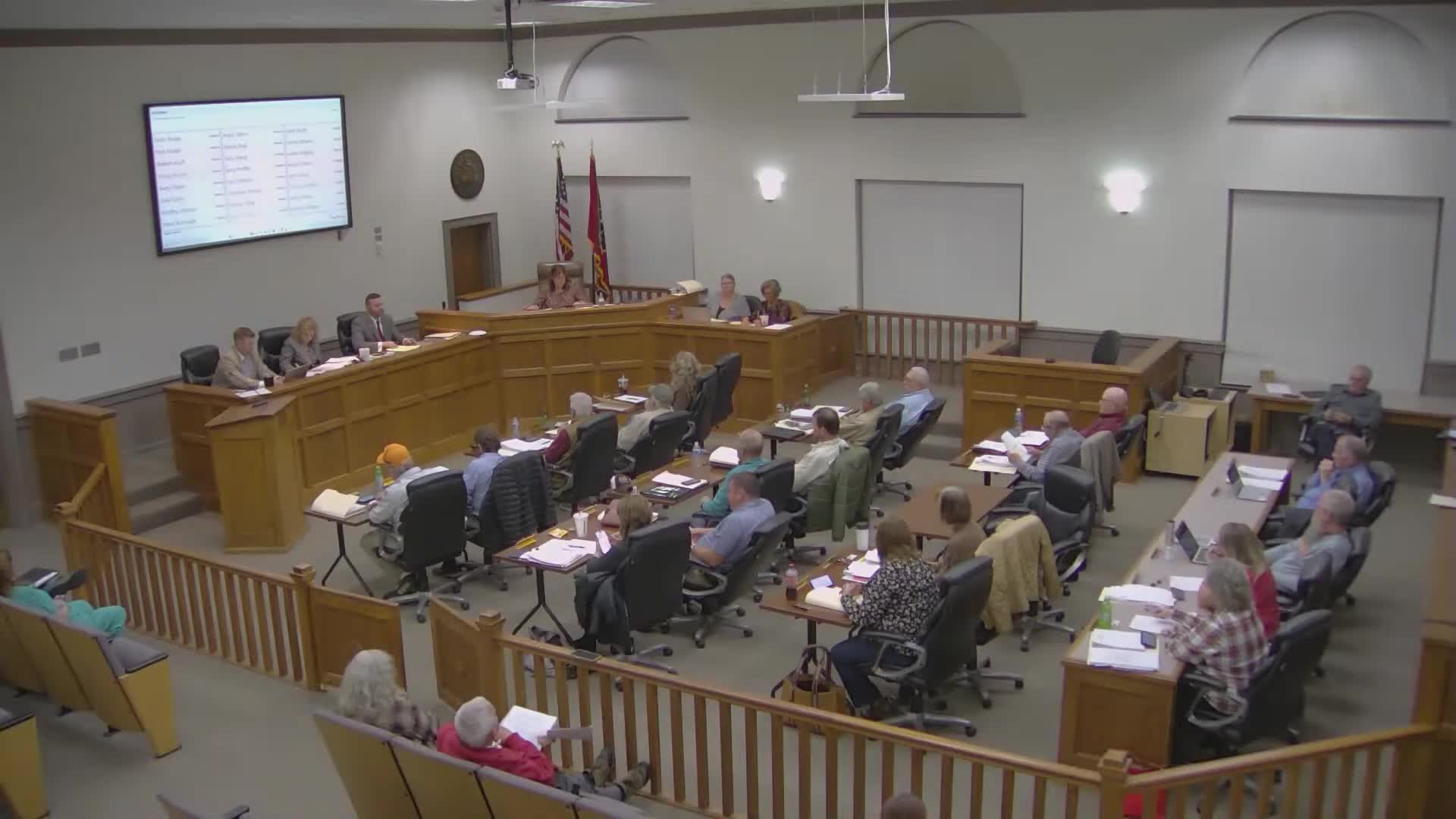
One commissioner described local survey results that were overwhelmingly negative about spending local or state money on a trail extension, saying most respondents opposed the expenditure. "Do we listen to our constituents, or do we just push it on them?" the commissioner asked, summarizing opposition in several neighborhoods.
Other commissioners defended the grant-funded project as a tourism and economic-development tool. A commissioner who had worked on the project and the original grant application said the $7 million award was meant specifically to construct the Hampton Watershed bridge and amenities and to cover master planning for the remainder of the trail, not to build the entire route. "It was there to have the funds available to do the bridge, install the stuff to Hampton Watershed, and master plan the rest of it," the commissioner said.
Speakers raised practical concerns: homeless encampments observed along parts of the existing trail, safety for children near roads where trail segments adjoin traffic, maintenance costs after grants expire, and whether the state would require bicycle lanes and other roadway modifications as projects advance. One commissioner warned that trail construction can prompt increased calls for county services and policing and that property owners might resist a trail adjacent to private yards.
Tension in the room escalated during the debate: the transcript records an exchange in which an unnamed commissioner called another a "liar," and the chair intervened to restore order. Commissioners also referenced prior cost estimates that had been revised upward and questioned how the remainder of a large project would be funded.
Why it matters: the debate highlights competing views about the county's development priorities — tourism and amenity investments versus immediate fiscal and public-safety concerns — and raises questions about how grant funds may be used and what obligations the county would assume if it declined the funds.
What happens next: commissioners asked staff for copies of contracts and grant documents and for follow-up information on what the $7 million grant covers; the record shows commissioners planned further review and coordinated discussions with city partners.
Representative quotes from the meeting are included where speakers were explicitly identified in the transcript; other statements are paraphrased when speaker attribution was not clearly recorded.
View the Full Meeting & All Its Details
This article offers just a summary. Unlock complete video, transcripts, and insights as a Founder Member.
30-day money-back guarantee
Sponsors
Proudly supported by sponsors who keep Tennessee articles free in 2025

