Presenter in Grand Rapids urges neighbor-to-neighbor engagement to strengthen democracy
November 17, 2025 | Grand Rapids City, Kent County, Michigan
This article was created by AI summarizing key points discussed. AI makes mistakes, so for full details and context, please refer to the video of the full meeting. Please report any errors so we can fix them. Report an error »
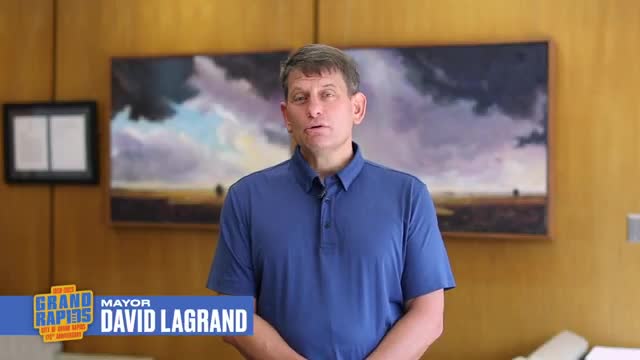
"How do we make Grand Rapids a really great city? Part of the answer to that, I think, is how do we make our democracy work really well?" the presenter asked, framing the talk around civic participation as a function of social connection. The speaker listed concrete practices for residents: "build better community, how we can get to know our neighbors, how we can learn how to get along with our neighbors."
The presenter contrasted active engagement with everyday behaviors that isolate people, such as retreating into garages or focusing on phones and computers. "It doesn't mean ignoring your neighbor, shutting your door... It means getting out, taking the extra step, initiating, finding points of commonality and contact," the presenter said, urging deliberate efforts to create informal ties.
Emphasizing the stakes, the speaker closed by linking neighborly connection to civic health: "Doing that is really, really important if we're gonna keep our community healthy and if we're gonna keep our democracy." There were no formal motions, votes, or policy proposals recorded in the remarks; the remarks constituted a public appeal for community engagement rather than a regulatory or funding action.
The presenter did not identify specific programs, dates, or city initiatives in the transcript. The remarks are framed as a call to individual and neighborhood-level action rather than a directive from city government.
Don't Miss a Word: See the Full Meeting!
Go beyond summaries. Unlock every video, transcript, and key insight with a Founder Membership.
30-day money-back guarantee
Sponsors
Proudly supported by sponsors who keep Michigan articles free in 2025

