Madison County School Board tables electric-bus contract after questions about cost, parts and contract version
November 18, 2025 | Madison, School Districts, Florida
This article was created by AI summarizing key points discussed. AI makes mistakes, so for full details and context, please refer to the video of the full meeting. Please report any errors so we can fix them. Report an error »
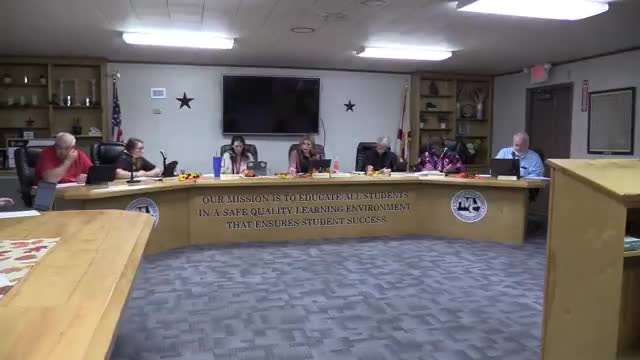
Parent and board member Tyrone Ansley urged the district to pursue the electric-bus grant, saying electric buses could lower operating and maintenance costs. “I think this will be a very good investment for our district,” Ansley said. He also asked whether buses would be safe in flooding or hurricane conditions and whether charging infrastructure and parts availability had been adequately addressed.
A company representative told the board the documents they had submitted for the meeting contained an outdated figure (a $26,000 base-servicing line) and that the correct quote matches the PowerPoint and uploaded “source quote,” listing $18,000 per vehicle in the current pricing model. The representative said EV buses typically have 90% fewer moving parts and estimated fuel-side savings of 30%–40%. He also said the vendor provides parts-sourcing support and training for high-voltage work and that parts-and-labor reimbursement is included in the contract model.
Board members pressed for more detail on key contract items: an excess-mileage penalty of $3 per mile above an annual allowance, the annual mileage allowance (which the vendor said was roughly 8,000 miles with an extra 500 miles of local buffer), an in-house maintenance reimbursement rate quoted at $55 per hour, and an estimate from the vendor that relocation of charging equipment could cost roughly $30,000–$40,000 on the utility side depending on incentives.
Several trustees said they could not comfortably vote without receiving the correct, consolidated contract attachments. One member noted that an older contract uploaded for the meeting showed different pricing and unit counts. “It would be a lot easier for us to make a decision if we had a clear, concise document that was attached,” a trustee said.
Given the discrepancies and a looming rebate/build schedule timeline, the board voted to table the item and ask the vendor to re-submit the correct documents for attorney review; the board discussed convening a special session or taking up the item at the next regular meeting if corrected paperwork arrives in time. The vendor said the November 30 timing would not affect rebates but could affect the build schedule and offered to work with the district on timelines and redlines.
Next steps: the district’s attorney will review the corrected contract attachments when they are uploaded; the board may schedule a special meeting to act before rebate or build-timeline deadlines if necessary.
View the Full Meeting & All Its Details
This article offers just a summary. Unlock complete video, transcripts, and insights as a Founder Member.
30-day money-back guarantee
Sponsors
Proudly supported by sponsors who keep Florida articles free in 2025

