Appeals court probes whether negligent misrepresentation plus refusal to pay supports Chapter 93A damage enhancement
November 17, 2025 | Judicial - Appeals Court Oral Arguments, Judicial, Massachusetts
This article was created by AI summarizing key points discussed. AI makes mistakes, so for full details and context, please refer to the video of the full meeting. Please report any errors so we can fix them. Report an error »
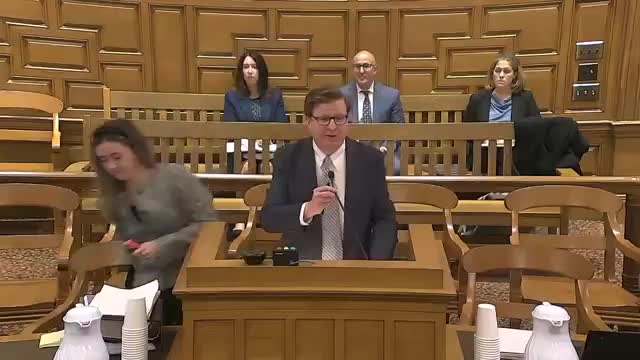
Robert Shaw, representing 25 TO Holdings LLC and the Cape Club of Sharon LLC, told the panel the trial court erred in converting negligent misrepresentation into an actionable 93A violation. "A material breach is not a 93A violation," Shaw argued, stressing that the judge’s legal synthesis of the facts raises a legal question suitable for de novo review.
Opposing counsel countered that the trial judge—who had the benefit of hearing live testimony and weighing credibility—reasonably concluded the totality of the record showed egregious conduct. Donald Schroeder and other respondents pointed to the judge’s findings that the defendants were on notice of liabilities and later refused to perform, which the judge treated as more than ordinary contract breach.
The parties also debated successor liability and whether the indemnity at issue arose from a contract-based transaction or as an intra‑enterprise dispute. Shaw emphasized the absence of an express obligation at the time the alleged misrepresentation was made and urged the court to limit 93A extensions where the record does not show willful or knowing misrepresentations.
The panel probed both sides on precedent—Shaw asked the court to distinguish Anthony Pier 4 and related duty‑of‑good‑faith jurisprudence; respondents cited trial findings and collateral evidence they said showed a repeated pattern of misleading statements and concealment.
No ruling was issued at argument; the court took the matter under advisement.
View the Full Meeting & All Its Details
This article offers just a summary. Unlock complete video, transcripts, and insights as a Founder Member.
30-day money-back guarantee
Sponsors
Proudly supported by sponsors who keep Massachusetts articles free in 2025

