Utah wildlife official outlines 3–4 year plan to control invasive phragmites at Great Salt Lake
November 17, 2025 | Utah Office of Tourism, Utah Governor's Office of Economic Opportunity, Offices, Departments, and Divisions, Organizations, Utah Executive Branch, Utah
This article was created by AI summarizing key points discussed. AI makes mistakes, so for full details and context, please refer to the video of the full meeting. Please report any errors so we can fix them. Report an error »
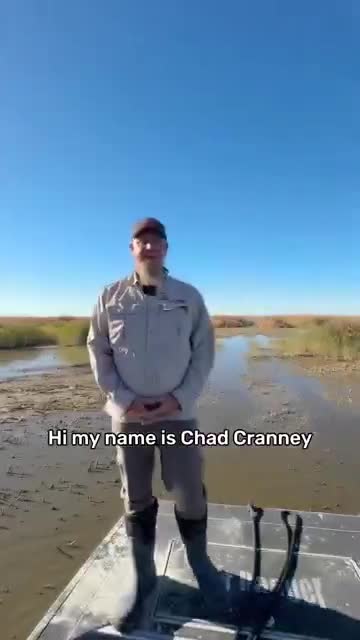
Cranny said phragmites is "a non native invasive grass" that can form dense stands and displace native vegetation. "It can grow 10 to 15 feet tall to 200 stems per square meter," he said, adding that such density "completely chokes out everything."
The Division's Phragmites management plan centers on a multi-year treatment cycle, Cranny said. "Our Phragmites management plan really evolves around this 3 to 4 year treatment cycle of spraying with herbicide, trying to remove the standing dead material, either by burning mowers or tramplers," he said, describing a sequence of herbicide application followed by removal of dead biomass.
He explained the ecological rationale: removing the standing dead material "opens up the canopy so sunlight can get down to the soil," which allows native plants to reestablish. Cranny also stressed that the program depends on cooperation across state agencies, noting collaboration with forestry and State Lands alongside the Division of Wildlife and saying the work is "starting to make a difference."
Cranny framed the wetlands surrounding the Great Salt Lake as "a public resource" that the agency manages both for recreational opportunities and for the wildlife that depend on the habitat. No formal votes or policy actions were recorded in the presentation; Cranny's remarks outlined management methods and ongoing coordination.
View the Full Meeting & All Its Details
This article offers just a summary. Unlock complete video, transcripts, and insights as a Founder Member.
30-day money-back guarantee
Sponsors
Proudly supported by sponsors who keep Utah articles free in 2025

Excel Chiropractic

