Green Bay mayor frames 2026 budget around core services; committee presses on taxes, debt and staffing
November 14, 2025 | Green Bay, Brown County, Wisconsin
This article was created by AI summarizing key points discussed. AI makes mistakes, so for full details and context, please refer to the video of the full meeting. Please report any errors so we can fix them. Report an error »
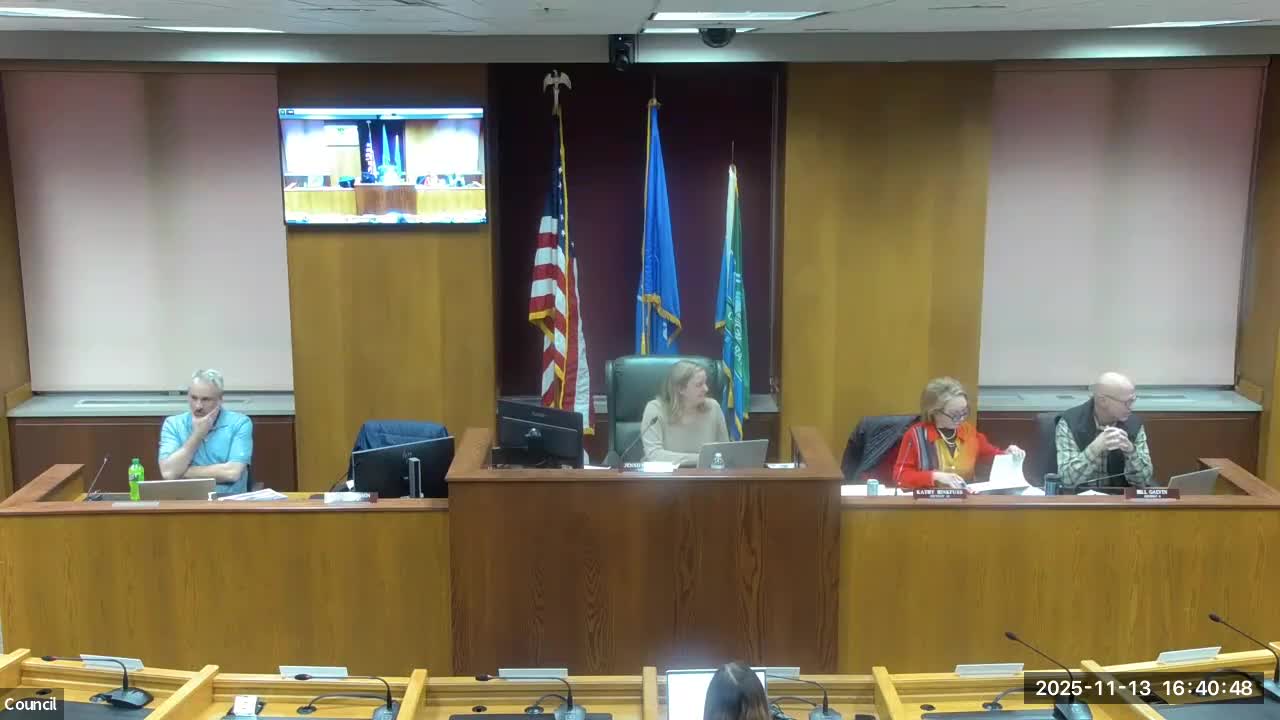
"It's no small feat," the mayor said as he thanked department heads and finance staff for the annual package and framed the plan as one that prioritizes essential services while seeking state assistance. He noted increased shared revenue tied to sales-tax growth and floated a local sales-tax option — modeled on the county's half-cent tax — as a possible long-term tool to close funding gaps.
Why it matters: the package includes a proposed 3.4% levy increase (roughly a 3% mill-rate change) and a roughly $2.3 million increase in debt-service payments to cover infrastructure investments the city has prioritized. The mayor said those borrowing costs stem from a multiyear push to invest in the city's aging infrastructure and that staff are seeking ways to limit property-tax pressure through turnover assumptions and efficiency measures.
Key details committee members flagged included the 2.5% cost-of-living adjustment for employees, a proposed addition of three community service officer positions earmarked to in-source City Hall security and develop a CSO pipeline into the police department, and a recommendation for a financial/data analyst in fire services to support deployment and performance metrics.
Committee questions focused on mechanics and household impact. Members sought clarity on how the COLA and step increases were reflected in department line items; staff confirmed the 2.5% COLA and cautioned that step increases and staffing reclassifications change the effective cost to departments. The mayor said the county's half-cent sales tax generates about $40 million today and suggested that a city share could produce revenue roughly on the order of what the city will borrow in 2026.
On community outreach, alder members raised constituents' questions from East and West Side listening sessions — including whether consulting and event materials for the "Go Big Green Bay" outreach were covered by ARPA. Staff confirmed ARPA funds were used to pay the consultant and to purchase meeting supplies and swag.
The committee advanced the mayor's recommendations by approving multiple departmental sections on the agenda by voice vote; those approvals move the sections to the full council for final consideration. The mayor and staff said further budget refinement will continue as committee items feed into the council packet.
The committee will forward the recommended budget and recorded committee amendments to the full City Council, which will schedule final votes and any subsequent public hearings or referenda if the council pursues a local sales-tax option.
View the Full Meeting & All Its Details
This article offers just a summary. Unlock complete video, transcripts, and insights as a Founder Member.
30-day money-back guarantee
Sponsors
Proudly supported by sponsors who keep Wisconsin articles free in 2025

