Auditor of State report urges Milford to consider $2.1M in expenditure reductions, board plans in-depth review
November 14, 2025 | Milford Exempted Village, School Districts, Ohio
This article was created by AI summarizing key points discussed. AI makes mistakes, so for full details and context, please refer to the video of the full meeting. Please report any errors so we can fix them. Report an error »
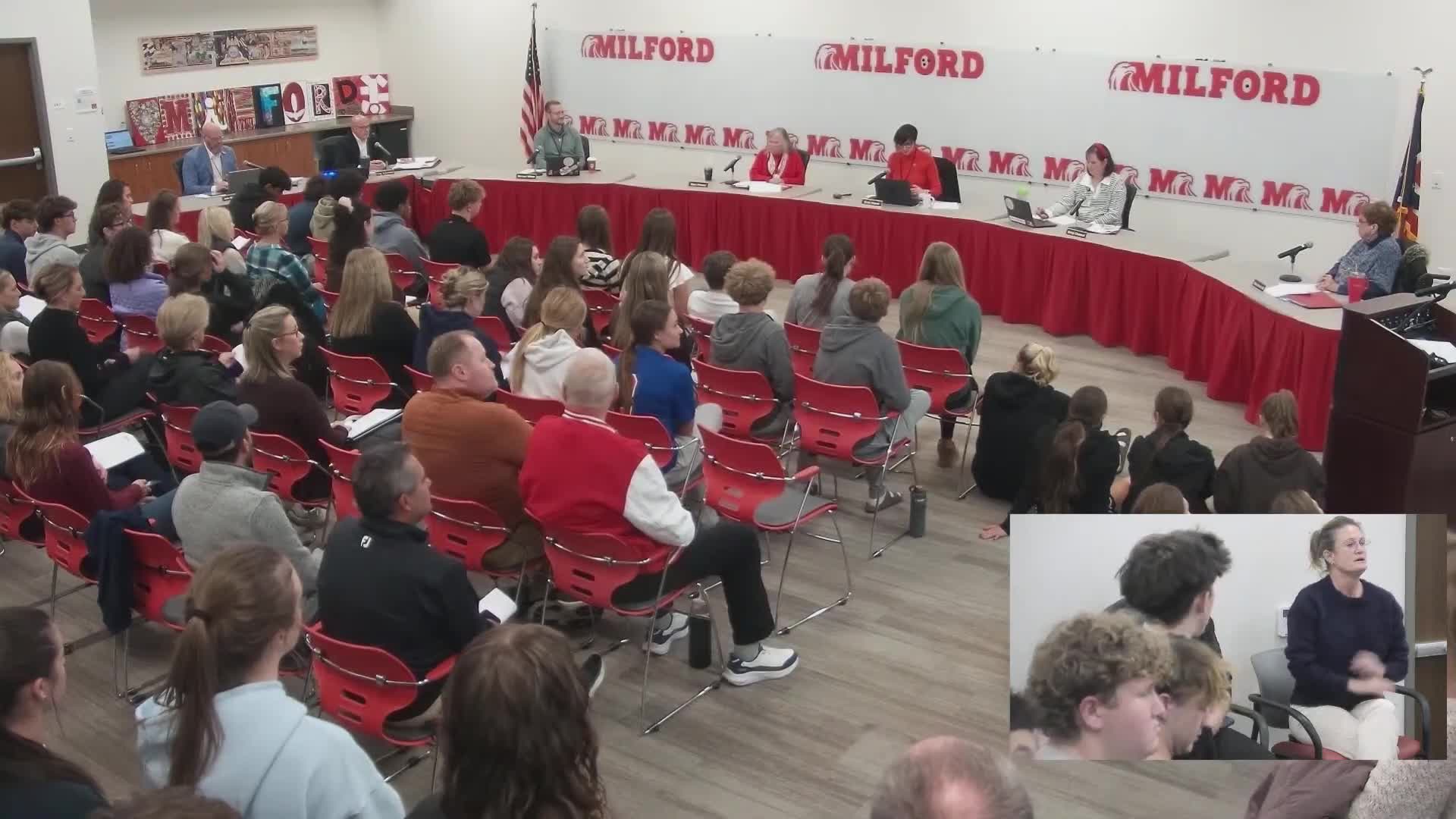
Treasurer and committee presenters said the audit used fiscal year 2024 data and emphasized that its recommendations are options for consideration rather than mandates. The presenters highlighted that coding differences in EMIS (Ohio’s Education Management Information System) can make direct peer comparisons tricky — for example, gifted teachers or positions may be coded differently in different districts — and said the district will perform an internal deep dive, bringing monthly or bimonthly updates to the board before taking action.
The presentation listed four primary recommendation areas and noted a fifth area — facilities staffing — is not a suggested reduction because Milford’s facilities staffing levels are below its peers. Presenters said the audit identified Milford as a low-taxed district; that context, they said, means cost increases for transportation, insurance and staffing are felt earlier than in better‑resourced districts.
Financial snapshots presented alongside the audit showed year-to-date investment earnings of about $1,200,000 and a five-year forecast projecting a potential negative position of roughly $1,900,000 if current trends continue. Presenters also noted administrative expenditures at 15.86% of spending and flagged House Bill 96 language that disfavors administrative expenditures above 15%, prompting the board to monitor that metric as the year progresses.
Board members asked about timing for results of potential changes and were told the district will begin reporting monthly comparisons to prior years and will analyze any staffing adjustments primarily through attrition and in the context of bargaining limitations for health-care plan changes. Speakers emphasized transportation is constrained by state minimums, changes in routing may raise per-bus costs, and that shifting to state-minimum busing affects revenues tied to student mileage.
What happens next: District staff said they will bring more detailed, section-by-section analysis to subsequent board meetings, with the next substantive audit deep dives expected in the coming months and more clarity at the December meeting regarding enrollment- and kindergarten-related strategies.
Why it matters: The audit provides a roadmap of cost-savings options that could affect staffing, student services and extracurricular funding; the board must balance fiscal responsibility with educational priorities and collective-bargaining constraints before making any changes.
View the Full Meeting & All Its Details
This article offers just a summary. Unlock complete video, transcripts, and insights as a Founder Member.
30-day money-back guarantee
Sponsors
Proudly supported by sponsors who keep Ohio articles free in 2025

