New Canaan orientation stresses FOIA caution: avoid private subcommittees, don’t use personal email, post hybrid links early
November 14, 2025 | New Canaan, Fairfield, Connecticut
This article was created by AI summarizing key points discussed. AI makes mistakes, so for full details and context, please refer to the video of the full meeting. Please report any errors so we can fix them. Report an error »
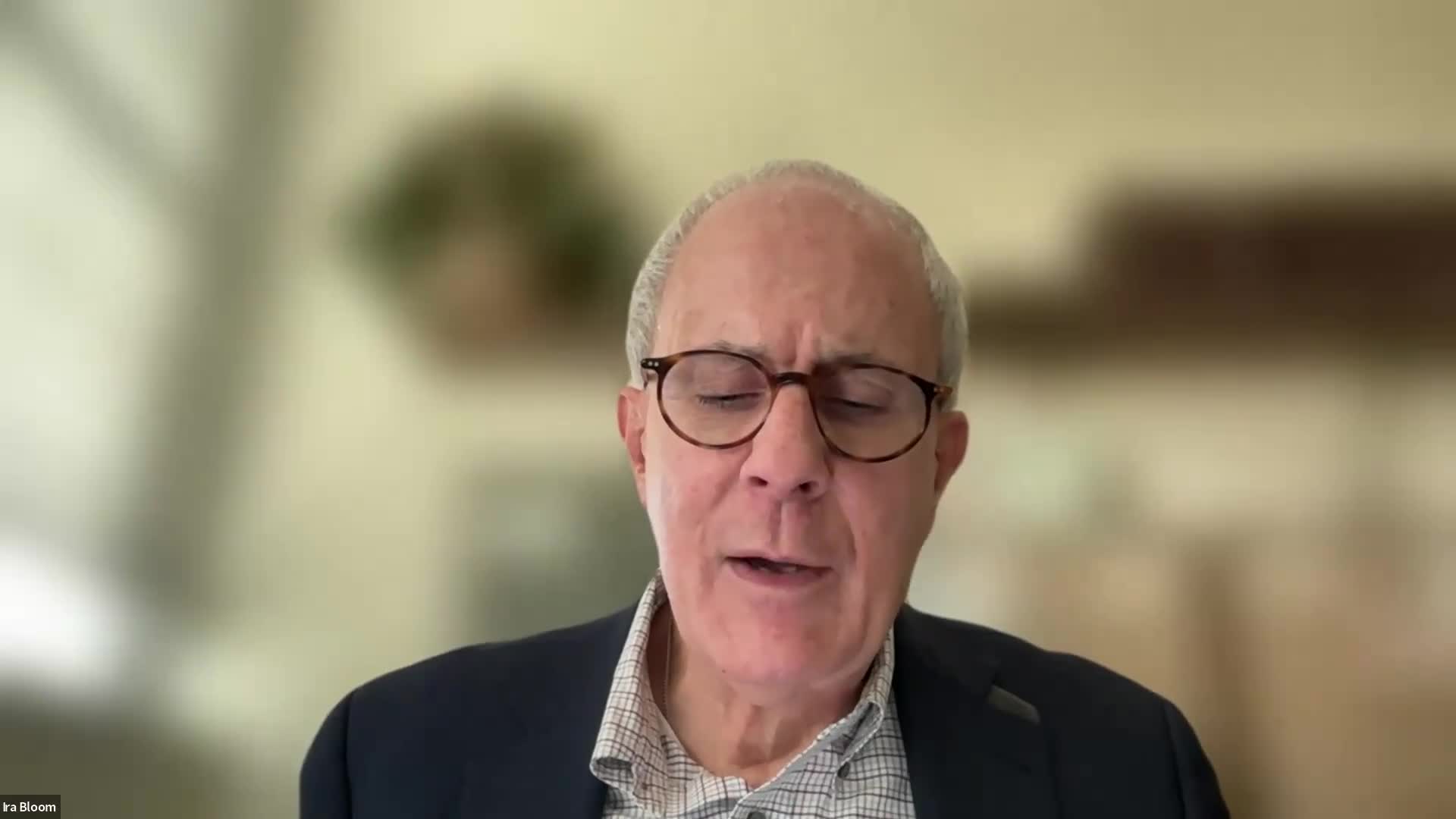
Presenters Ira Bloom and Nick Pamonte, who led the session, told the council that even informal groupings of members can be treated as subcommittees and therefore must follow notice and minutes requirements. Bloom cited a local building‑committee example in which the town lost a FOIA claim after a media member was excluded from a subcommittee site visit.
“Sometimes you inadvertently create a subcommittee,” Bloom said, explaining that the legal test often depends on whether the group has been given an implied or express authority to act. Pamonte added that recent case law (the Meriden decision) treats a quorum as a usual threshold for a meeting but that exceptions exist depending on the facts.
The presenters emphasized simple, practical rules for preventing inadvertent meetings. Tucker, a town official who handled logistics for the orientation, said, “Please don’t use your personal emails,” explaining that town staff must search municipal accounts when records are requested. Bloom warned council members not to use email for substantive discussions “very much, if at all,” and advised against using 'reply all' because such exchanges can evolve into a multi‑member discussion that triggers FOIA scrutiny.
Pamonte reviewed meeting categories under the state law — regular, special and emergency — and set out notice rules: regular meeting agendas should be filed at least 24 hours in advance and, if a meeting will have a remote link or be remote‑only, that link should be posted 48 hours before the meeting. The presenters agreed with a local practice request to treat meetings as hybrid where feasible so the public always has access to a remote option.
On open records, Pamonte said public agencies must respond to requests 'promptly' — a flexible, workload‑sensitive standard — and noted there are roughly 28 categories of statutory exemptions, including attorney‑client communications, drafts and certain law‑enforcement or safety‑sensitive records. He urged new members to involve the town’s FOIA processor, Mimi Pitt, early when they receive a request.
The training also covered executive sessions — narrowly defined, nonpublic portions of meetings allowed for limited reasons such as personnel matters, pending claims or sensitive real‑estate deliberations — and stressed that participants must not disclose executive‑session deliberations publicly.
Council members asked clarifying questions about small executive committees and cited McCreven v. Conservation Commission (2013), a case they were advised to share with presenters for further review. Presenters recommended a cautious, notice‑first approach: when in doubt, post a notice and keep discussion in public.
The orientation ended with practical tips on minutes, agendas and where to get Zoom support from town staff. No formal actions or votes were taken during the session.
Don't Miss a Word: See the Full Meeting!
Go beyond summaries. Unlock every video, transcript, and key insight with a Founder Membership.
30-day money-back guarantee
Sponsors
Proudly supported by sponsors who keep Connecticut articles free in 2025

