Committee adopts substitute to tighten rules on kratom and concentrated 7‑OH products, shifts enforcement locally
November 14, 2025 | 2025 House Legislature MI, Michigan
This article was created by AI summarizing key points discussed. AI makes mistakes, so for full details and context, please refer to the video of the full meeting. Please report any errors so we can fix them. Report an error »
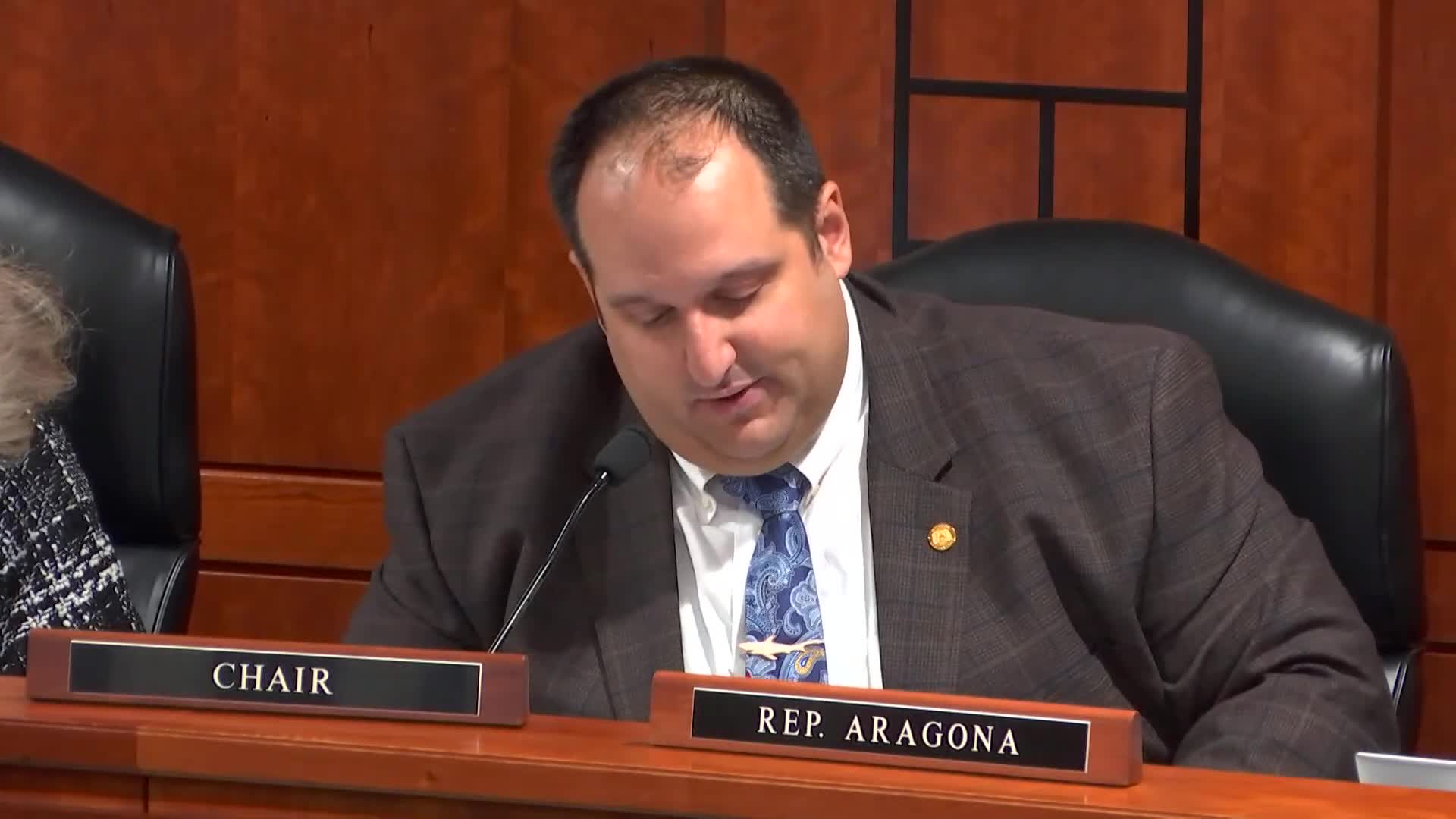
Adam Hagedorn, legislative director for the sponsor, said the sponsor worked with state departments including MDARD to refine language so the bill would not treat natural kratom leaf as a food and to accommodate department concerns about laboratory testing and regulatory scope. "We did work with the departments... and MDARD wanted some clarification," Hagedorn said.
Supporters on Zoom included Clinton Township trustee Bruce Wade, who said local residents and parents urged state action because they had seen young people improperly use kratom products. "The citizens have been asking for it," Wade said, urging the committee to allow communities to implement the protections.
Toxicologist Dr. Edward Boyer testified primarily as a scientist and said 7‑OH does bind the mu opioid receptor and is pharmacologically active, but he told the committee the available clinical and postmortem data do not show clean, attributable overdose deaths from 7‑OH alone. "If you look at national databases, there are no deaths reported from 7‑hydroxy that are cleanly attributable," Boyer said, adding that reporting and testing limitations complicate attribution.
An industry representative identified on the record as Mac (affiliation recorded as the "American Creative Association") argued concentrated, chemically manipulated 7‑OH products are fundamentally different from natural kratom leaf and cited FDA statements and concerns about emergent sublingual and concentrate formulations. He urged the committee to adopt the KCPA‑style protections that explicitly ban chemically amplified 7‑OH derivatives.
Representative Fairbairn moved to adopt substitute H‑2 and the clerk conducted a roll call. The committee clerk announced that the substitute was adopted. Later the committee voted to report House Bill 4969 as substituted H‑2 with recommendation; the clerk recorded "12 yays, 1 nay, 1 pass." The committee report advances the substitute toward further House consideration.
Next steps: HB 4969, as substituted H‑2, was reported from the committee with a recommendation and will proceed through the House process for further consideration and any floor actions.
View the Full Meeting & All Its Details
This article offers just a summary. Unlock complete video, transcripts, and insights as a Founder Member.
30-day money-back guarantee
Sponsors
Proudly supported by sponsors who keep Michigan articles free in 2025

