MDHHS outlines plan to cut Michigan SNAP payment errors after federal changes
November 14, 2025 | 2025 House Legislature MI, Michigan
This article was created by AI summarizing key points discussed. AI makes mistakes, so for full details and context, please refer to the video of the full meeting. Please report any errors so we can fix them. Report an error »
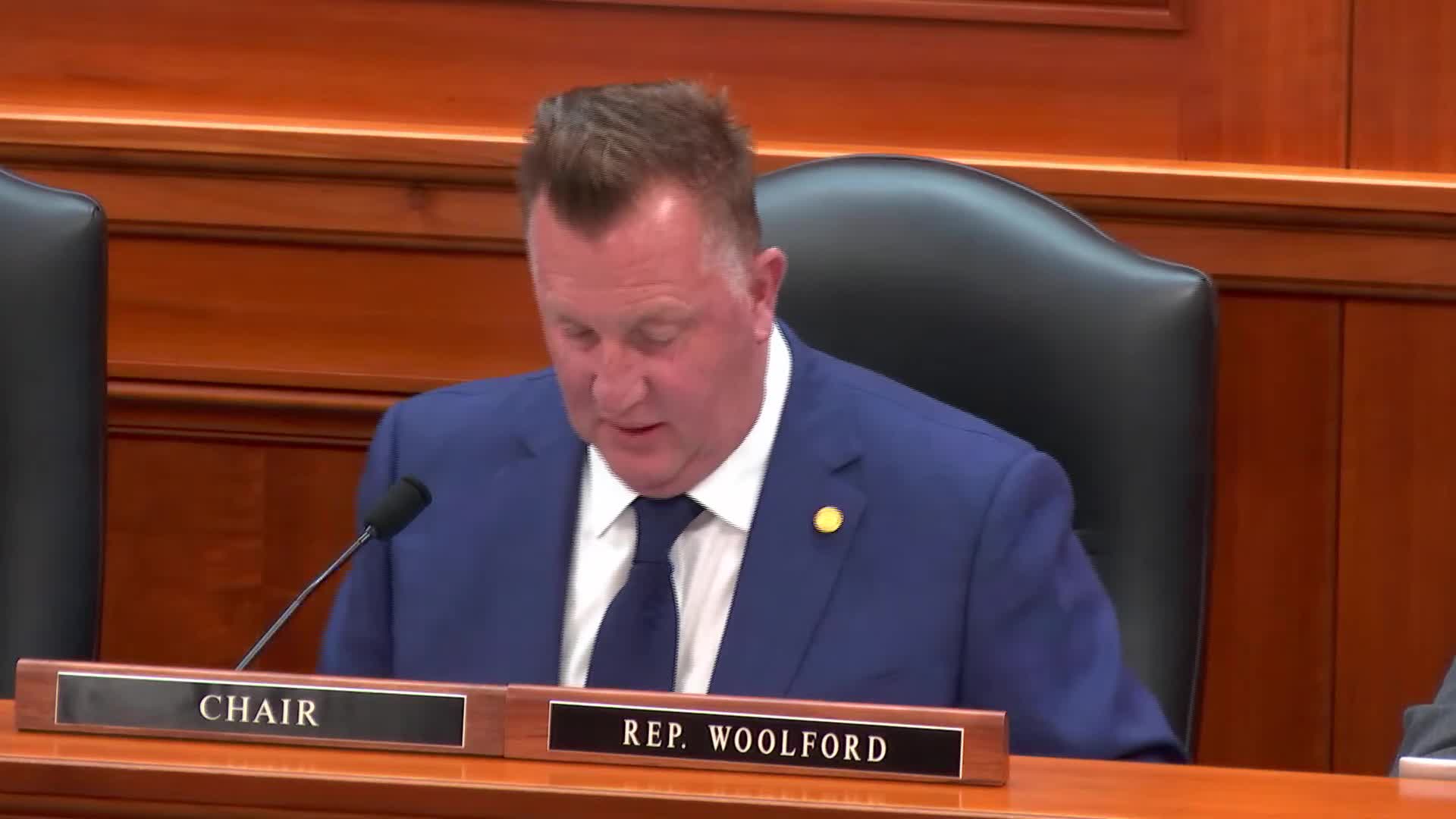
David Knesick, chief operating officer at MDHHS, told the Oversight Committee on State and Local Public Assistance Programs that Michigan paid out about $3.2 billion in SNAP benefits in fiscal 2024 and that the program’s federal payment‑error calculation combines overpayments and underpayments. "The payment error rate is not a measure of fraud," Knesick said, distinguishing QC findings from OIG fraud investigations.
Knesick said a five‑week diagnostic identified a small set of root causes that account for most errors: earned income reporting, household composition, deductions (mortgage, taxes, insurance) and unearned income. He gave examples in which a dependent’s age or a late‑reported job changed benefit calculations, and he described how double‑counted mortgage escrow amounts and unreported monthly payments from relatives have produced errors.
Why it matters: HR 1 (referred to in testimony as the "1 Big Beautiful Bill Act") alters state liabilities for payment errors and administrative costs. Knesick said HR 1 creates new cost‑sharing brackets tied to a state’s error rate, eliminated a $27.5 million annual SNAP‑Ed line item on Oct. 1, and shifts administrative matching from a 50/50 federal‑state split to 75/25 beginning next year — a change Knesick estimated could raise state costs by about $90 million.
What MDHHS will do: Knesick described eight immediate initiatives and roughly 35 work streams to address errors, including simplifying client information submission, standardizing interview question lists, clarifying policy resources, deploying staff more strategically through the universal caseload model, building accuracy metrics and upstream correction processes, and prioritizing technology upgrades in the Bridges and MyBridges systems. He said MDHHS identified 10 near‑term technology fixes and 30 additional items from the diagnostic, and highlighted optical character recognition and other automation as ways to reduce manual input mistakes.
Committee concerns and follow up: Lawmakers pressed MDHHS for more granular data. Committee members asked for the list of roughly 32 local offices Knesick said account for nearly all the state’s QC‑measured errors and requested county‑level breakdowns and a tally of overpayments versus underpayments in the reported 2024 error rate (9.53 percent referenced during questioning). Knesick said the department will provide those figures and additional breakdowns; the department also told the committee that its QC sample for federal reporting is roughly 1,100 active SNAP cases and about 726 negative cases annually.
On reporting and timelines, Knesick said states do a randomized monthly QC sample that FNS reviews and that final fiscal‑year error rates from FNS are not available until June of the following year. He also described steps MDHHS is taking to get ahead of annual reporting: monthly internal tracking of policy‑specific errors, targeted remediation meetings, staff training and text‑message reminders to beneficiaries that began in October.
On a frequently asked issue, Knesick confirmed a federal tolerance exists for small dollar errors and acknowledged a committee concern that errors under a roughly $57 threshold do not count toward the official rate. "There is an allowance for if errors are under a certain size," he said, and added that MDHHS trains specialists to review accuracy down to the dollar.
Formal committee actions: Representative Cara moved to adopt minutes from the Oct. 30, 2025 meeting; the committee adopted the minutes with no objection. Representative Brock moved to excuse absent members (none were absent); the committee adjourned.
What’s next: Committee members asked MDHHS to provide a county‑level error breakdown, the list of about 32 offices with elevated error rates, the share of errors caused by nonparticipation in QC calls, and a detailed split of overpayments versus underpayments for 2024. Knesick said he will supply those follow ups and coordinate with USDA’s Food and Nutrition Service as guidance and waivers are considered.
— Reporting by the House Oversight Committee hearing record; quotes and numbers drawn from MDHHS testimony and committee exchanges.
Don't Miss a Word: See the Full Meeting!
Go beyond summaries. Unlock every video, transcript, and key insight with a Founder Membership.
30-day money-back guarantee
Sponsors
Proudly supported by sponsors who keep Michigan articles free in 2025

