Committee hears testimony on bill to allow open-road tolling enforcement at international bridges
November 14, 2025 | 2025 House Legislature MI, Michigan
This article was created by AI summarizing key points discussed. AI makes mistakes, so for full details and context, please refer to the video of the full meeting. Please report any errors so we can fix them. Report an error »
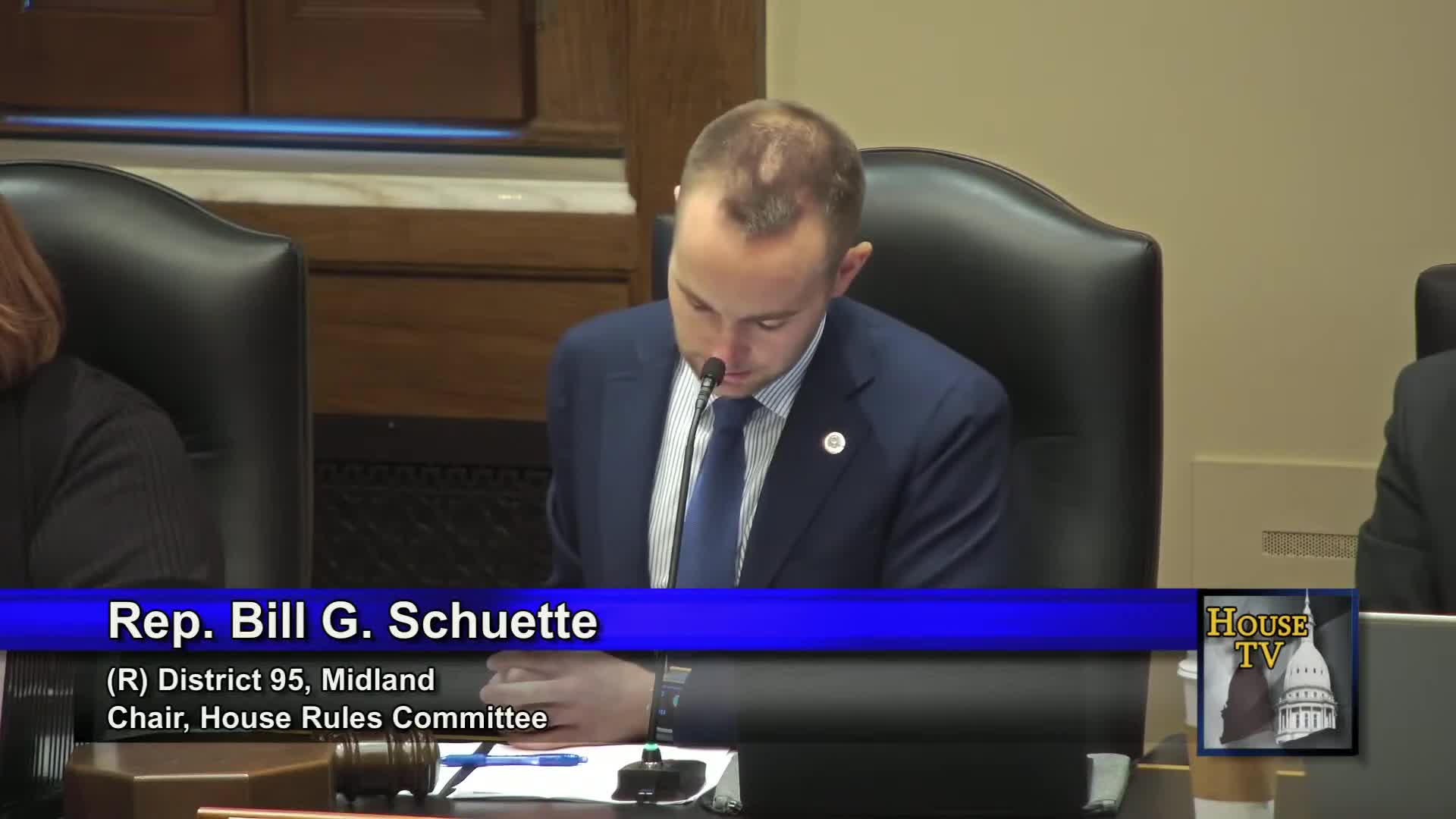
Representative Posthumus, the bill’s sponsor, said the measure is intended to ensure "proper enforcement" and management of open-road tolling at international crossings and that the Department and Secretary of State had been consulted during drafting. "It only applies to international international bridges," he said, adding stakeholders were involved to make sure the bill would "work for everybody."
Randy Spader, vice president of operations for the Ambassador Bridge, testified the bill would permit collection of tolls using the existing open-road tolling system so commercial vehicles do not have to stop. "Our commercial tolling today, doesn't have to stop to pay toll," Spader said, and the arrangement, he said, "helps more efficiency at the border" and reduces emissions from stop-and-go traffic. Spader said the bill would allow bridge management to "utilize some information from the secretary of state to see who the registrant of the vehicles are so we can properly identify those individuals" and bill them within timelines set in the legislation.
Representative Martin asked whether the automatic system includes app- or transponder-based on‑the‑spot payments or only license-plate data for billing. Spader said the bill is focused on collecting registration data to bill users who do not follow the transponder/process systems, noting that transponders and apps already serve those who opt in but the change targets noncompliant users.
Committee members also asked about rulemaking and any fees tied to Secretary of State contracting. Sponsors and witnesses said the Secretary of State had been engaged in drafting the agreement and that any administrative fees would likely be nominal; Spader offered to follow up with more detail for the committee.
The committee did not take final action on this item during the testimony portion; subsequent procedural business on other bills followed. The committee recorded no formal objections during this testimony and moved on to the next agenda items.
Don't Miss a Word: See the Full Meeting!
Go beyond summaries. Unlock every video, transcript, and key insight with a Founder Membership.
30-day money-back guarantee
Sponsors
Proudly supported by sponsors who keep Michigan articles free in 2025

