Law scholar urges New Hampshire to recognize blockchain‑based asset‑protection trusts
November 13, 2025 | Commission to Study , House of Representatives, Committees , Legislative, New Hampshire
This article was created by AI summarizing key points discussed. AI makes mistakes, so for full details and context, please refer to the video of the full meeting. Please report any errors so we can fix them. Report an error »
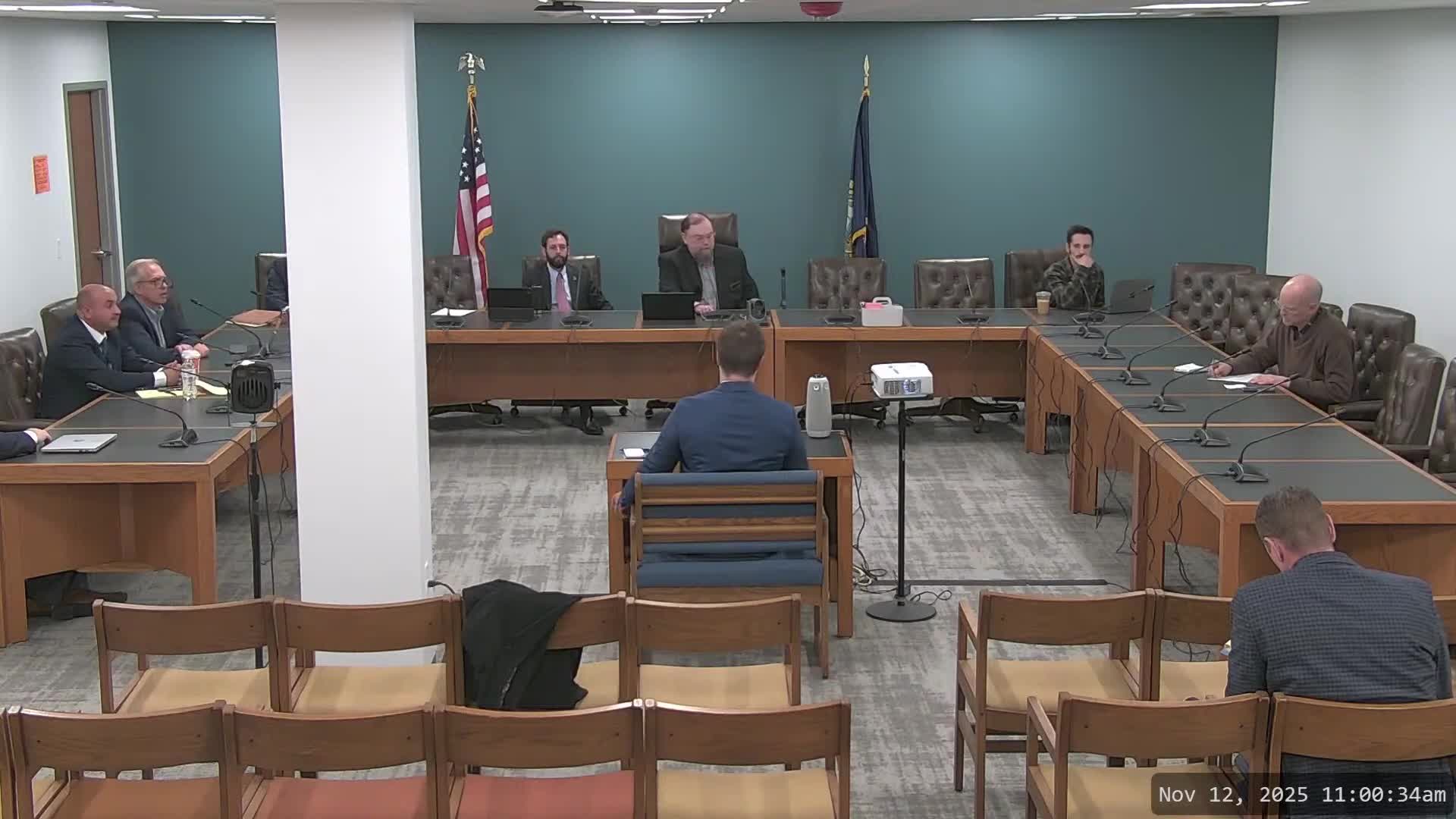
Hewitt cited a federal case example involving an APT and roughly $1.7 million transferred to a trust, and explained how courts wrestle with the concept of "impossibility" — whether a judgment debtor can actually comply with an order to disgorge funds held in a trust. In some cases a court may find trust instruments contain backdoors or de facto arrangements that allow control; in others, judges remain skeptical of immutability. Hewitt said blockchain smart contracts and decentralized oracles can eliminate the human‑controlled backdoors that create litigation risk: "The blockchain is the best way we have to create protocols or systems that are immutable," he told the commission.
Policy recommendations Hewitt proposed included: statutory recognition that a blockchain‑based smart contract can, when meeting defined decentralization and immutability criteria, function as an irrevocable spendthrift trust for which New Hampshire courts will recognize civil‑contempt impossibility defenses; a jurisdictional hook requiring creation or administration in New Hampshire to access those protections; and the creation of specialized docketing and dispute mechanisms to handle blockchain trust litigation.
Commissioners raised implementation questions. Professor Orenberg and others observed that trust law typically presumes a trustee person or legal entity and suggested statutory adjustments to accommodate non‑person, decentralized governance structures (DAOs or protocol wrappers) or to clarify the admissibility of blockchain evidence. Hewitt recommended definitions for decentralization and oracles in any statutory language to ensure a court can assess whether a protocol is sufficiently immutable.
If the commission pursues statutory changes, Hewitt recommended coupling them with a plan to attract administration and legal services to the state (a physical or administrative hook) so New Hampshire could gain economic benefit from dispute resolution and trust administration activity.
Don't Miss a Word: See the Full Meeting!
Go beyond summaries. Unlock every video, transcript, and key insight with a Founder Membership.
30-day money-back guarantee
Sponsors
Proudly supported by sponsors who keep New Hampshire articles free in 2025

