East Meadow superintendent outlines $50M�2B bond plan to upgrade schools, safety systems and athletic fields
November 13, 2025 | EAST MEADOW UNION FREE SCHOOL DISTRICT, School Districts, New York
This article was created by AI summarizing key points discussed. AI makes mistakes, so for full details and context, please refer to the video of the full meeting. Please report any errors so we can fix them. Report an error »
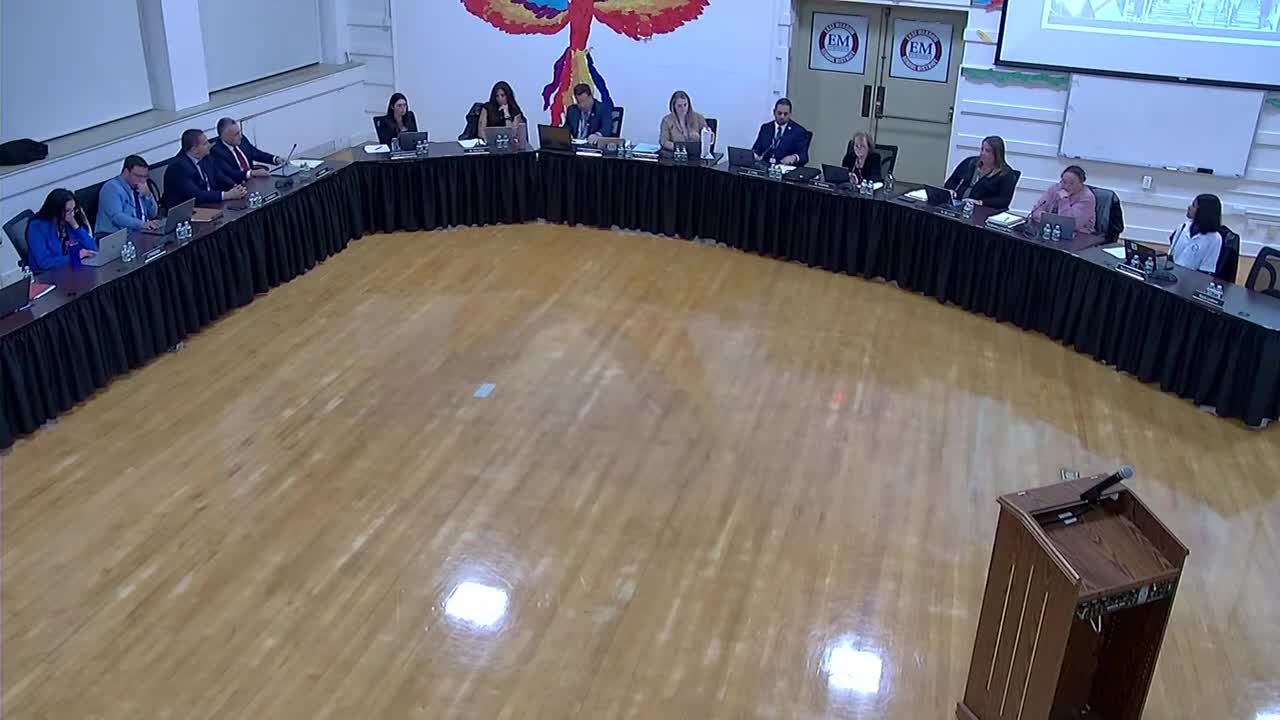
Rosner said the district has completed classroom and playground renovations, library and lab upgrades, and safety items such as solar parking lights and security booths. He said the proposed bond would fund "big-ticket" items that cannot be covered through the annual operational vote, including safety vestibules, secondary-school PA and fire-alarm system replacements, replacement of end‑of‑life boilers, auditorium sound and lighting controls, HVAC upgrades, and major athletic improvements including synthetic turf, new dugouts, bleachers, restrooms and stadium lights.
"A bond is simply a means for a school district to borrow money," Rosner said, comparing it to a mortgage. "If the district were to go out for a $50,000,000 bond ... for the first two years the cost to the average homeowner would be a dollar 17 a year, a dollar 20 a year. And then for seven years after that, it's $50 a year, 51, 51, 52." He emphasized the number was a preliminary example and cautioned the district had not finalized scope or tax-impact calculations.
Rosner said priorities were informed by building-condition surveys "that are required by law," input from principals and athletic directors, a new project manager, and outside consultants including bond counsel and tax consultants. He said some smaller capital work continues to be done in-house by district facilities staff; large renovations and new construction would require outsourcing and state approval.
Trustees pressed for clarity on scope and cost. Rosner said the district is still working with tax advisers and financial professionals and plans public input forums (Nov. 24 at East Meadow High School; Nov. 25 at Clark; Dec. 1 at Salisbury) before any board action. He said state review can take about 12–18 months after applications and that contingency allowances are built into bond budgeting to account for inflation and delays.
Public commenters and trustees stressed sequencing and timing: several speakers said vestibules and other safety projects could be completed sooner using existing funds and urged the district to pursue grants or donations for auditorium equipment. Rosner said the board would not vote on a bond at the December meeting and that the forums were for community input.
Next steps: the administration will refine scope and costs with consultants, present final estimates to the board, and hold the scheduled community forums to gather feedback before any bond referendum is put to voters.
View the Full Meeting & All Its Details
This article offers just a summary. Unlock complete video, transcripts, and insights as a Founder Member.
30-day money-back guarantee
Sponsors
Proudly supported by sponsors who keep New York articles free in 2025

