IOM chief says Sudan displacement crisis is overwhelming humanitarian response
November 13, 2025 | United Nations, Federal
This article was created by AI summarizing key points discussed. AI makes mistakes, so for full details and context, please refer to the video of the full meeting. Please report any errors so we can fix them. Report an error »
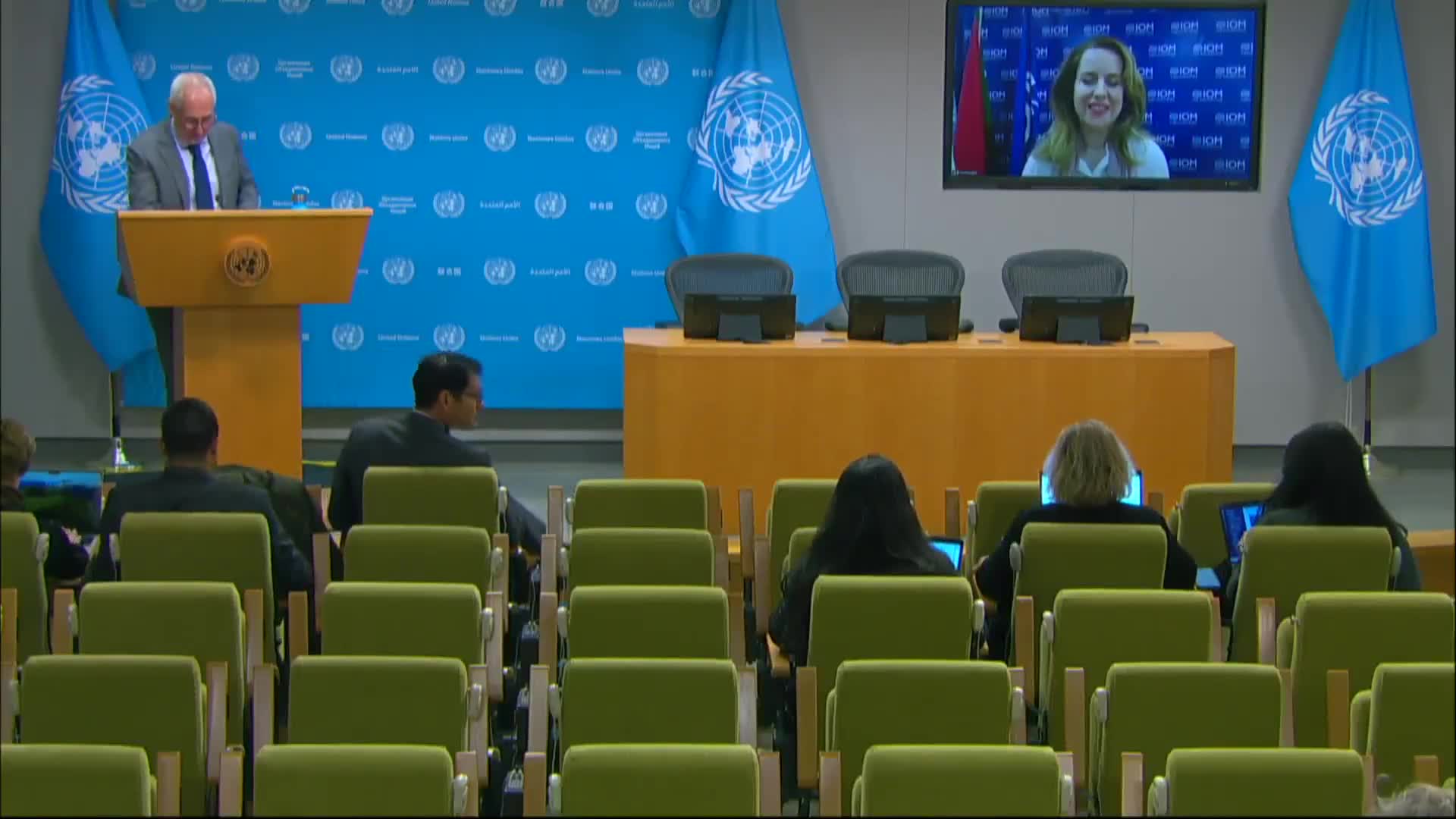
Amy Pope, director general of the International Organization for Migration, briefed from Khartoum on an expanding displacement crisis in Sudan, saying the scale of need is "absolutely incredible" and that humanitarian operations face critical shortages.
Pope said IOM displacement-tracking figures show about 90,000 people displaced from El Fasher in the past two-and-a-half weeks and roughly 50,000 displaced from other areas. "Many are reporting widespread violence," she said, adding that civilians have been shot and some people saw dead bodies along flight routes.
Why it matters: Sudan already hosts one of the world’s largest displacement crises, with more than 10 million people displaced before the most recent spike. Pope said the current scale, together with global cuts to humanitarian assistance, leaves vulnerable people—especially women and children—without adequate shelter, food and psychosocial support.
On access and coordination, Pope said humanitarian leadership from UN agencies will visit Sudan in coming weeks to coordinate responses and raise awareness of needs. She named UN Emergency Relief Coordinator Tom Fletcher and senior World Food Programme and UNHCR officials as part of in-country coordination efforts.
Pope described limited humanitarian access inside conflict zones: some convoys and trucks are reaching places such as Tawela, but enumerators and other staff face severe restrictions, so much assistance is provided as people are able to leave affected areas. Asked whether any UN or affiliated staff had been harmed, she said humanitarian staff have been wounded and killed in recent months, including colleagues who worked on the displacement-tracking teams.
Funding shortfalls are acute for shelter. "Right now, the funding for that response is at 8%," Pope said of the shelter cluster, meaning available funds meet only a small fraction of needs. She said IOM has fewer than 5,000 dignity or shelter kits available, the last 35 tents had just been dispatched, and UNHCR is waiting for about 2,000 tents currently held in customs—far short of what is required.
Pope said member states and some private donors, including an Islamic philanthropy fund, have sought additional information and are discussing support, but stressed that procurement, customs and transport times are also limiting factors. She said airlifting supplies is being considered to speed delivery, but that airlifts require both transport funding and available supplies.
What’s next: Pope and humanitarian partners are calling for scaled-up funding, safer humanitarian access and a political solution to protect civilians. She said the immediate priority is to expand shelter, food and psychosocial services and to prevent further loss of life.
Pope said IOM displacement-tracking figures show about 90,000 people displaced from El Fasher in the past two-and-a-half weeks and roughly 50,000 displaced from other areas. "Many are reporting widespread violence," she said, adding that civilians have been shot and some people saw dead bodies along flight routes.
Why it matters: Sudan already hosts one of the world’s largest displacement crises, with more than 10 million people displaced before the most recent spike. Pope said the current scale, together with global cuts to humanitarian assistance, leaves vulnerable people—especially women and children—without adequate shelter, food and psychosocial support.
On access and coordination, Pope said humanitarian leadership from UN agencies will visit Sudan in coming weeks to coordinate responses and raise awareness of needs. She named UN Emergency Relief Coordinator Tom Fletcher and senior World Food Programme and UNHCR officials as part of in-country coordination efforts.
Pope described limited humanitarian access inside conflict zones: some convoys and trucks are reaching places such as Tawela, but enumerators and other staff face severe restrictions, so much assistance is provided as people are able to leave affected areas. Asked whether any UN or affiliated staff had been harmed, she said humanitarian staff have been wounded and killed in recent months, including colleagues who worked on the displacement-tracking teams.
Funding shortfalls are acute for shelter. "Right now, the funding for that response is at 8%," Pope said of the shelter cluster, meaning available funds meet only a small fraction of needs. She said IOM has fewer than 5,000 dignity or shelter kits available, the last 35 tents had just been dispatched, and UNHCR is waiting for about 2,000 tents currently held in customs—far short of what is required.
Pope said member states and some private donors, including an Islamic philanthropy fund, have sought additional information and are discussing support, but stressed that procurement, customs and transport times are also limiting factors. She said airlifting supplies is being considered to speed delivery, but that airlifts require both transport funding and available supplies.
What’s next: Pope and humanitarian partners are calling for scaled-up funding, safer humanitarian access and a political solution to protect civilians. She said the immediate priority is to expand shelter, food and psychosocial services and to prevent further loss of life.
Don't Miss a Word: See the Full Meeting!
Go beyond summaries. Unlock every video, transcript, and key insight with a Founder Membership.
✓
Get instant access to full meeting videos
✓
Search and clip any phrase from complete transcripts
✓
Receive AI-powered summaries & custom alerts
✓
Enjoy lifetime, unrestricted access to government data
30-day money-back guarantee
