Downtown Lynchburg Association presents DID concept and MOU renewal as part of a 'trifecta'
November 13, 2025 | Lynchburg, Campbell County, Virginia
This article was created by AI summarizing key points discussed. AI makes mistakes, so for full details and context, please refer to the video of the full meeting. Please report any errors so we can fix them. Report an error »
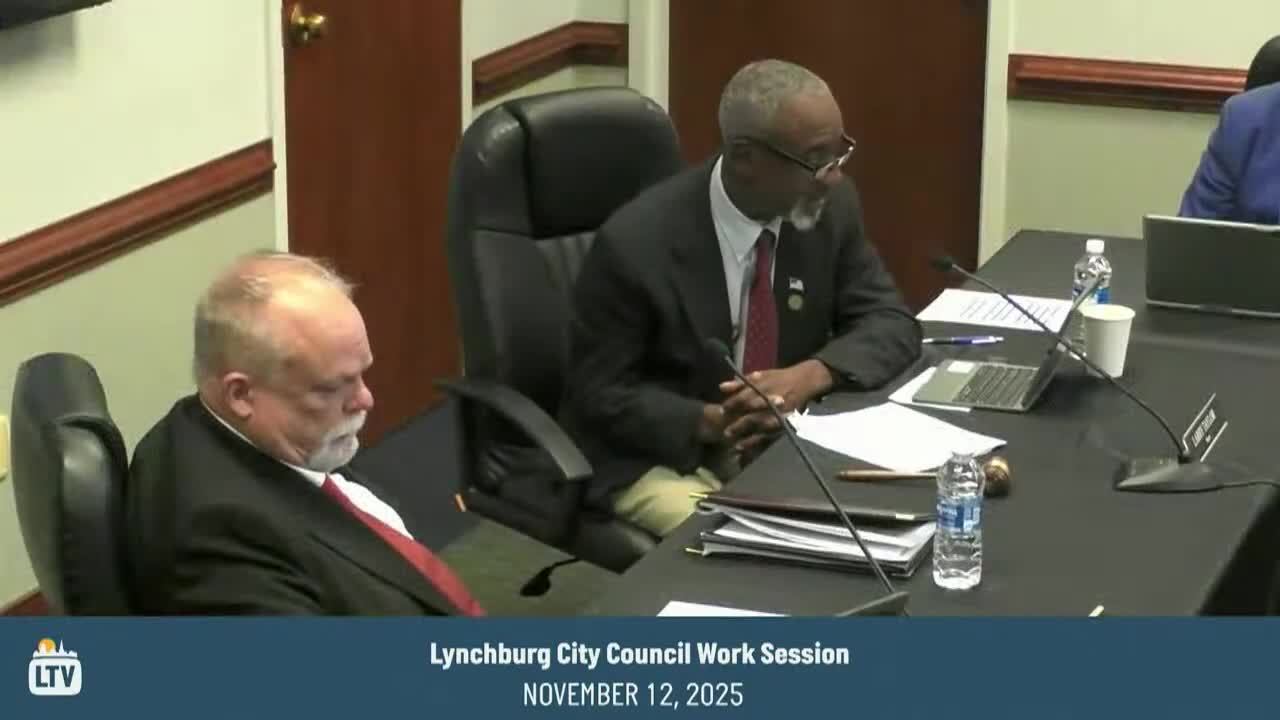
Stacy Garrett, DLA's executive director, explained a DID is a dedicated funding mechanism that would levy an incremental tax rate on properties within a defined downtown boundary to pay for enhanced services — for example, ambassadors, façade grants, lighting and cleaning. Garrett cautioned DIDs do not replace municipal services, change zoning, or directly enforce laws.
City staff presented illustrative boundary and revenue math: roughly 675 parcels and an assessed base near $275 million; at a 10¢ incremental rate on the real‑estate tax, staff showed an illustrative estimate of about $275,000 per year to fund downtown services. Staff emphasized that boundary selection and stakeholder buy‑in are crucial and that the DLA already produces events such as Bright Nights (6,000 visitors, $929,000 estimated economic impact in the cited year) and provides an existing nonprofit partner for a potential DID.
Council members asked for additional data (employees downtown, number of businesses, visitor counts, tax revenue breakdown and the total value of city support to DLA including in‑kind rent and services). Members also raised FOIA and record‑keeping questions about communications and whether the DLA's materials or staff communications should be subject to Freedom of Information Act requests given in‑kind city support. Staff said the current MOU expires Dec. 31 and recommended renewal discussion and further stakeholder outreach.
Don't Miss a Word: See the Full Meeting!
Go beyond summaries. Unlock every video, transcript, and key insight with a Founder Membership.
30-day money-back guarantee
Sponsors
Proudly supported by sponsors who keep Virginia articles free in 2025

