City audit finds month‑end/year‑end processes sound but under‑documented; finance vows SOPs by June
November 13, 2025 | Santa Fe, Santa Fe County, New Mexico
This article was created by AI summarizing key points discussed. AI makes mistakes, so for full details and context, please refer to the video of the full meeting. Please report any errors so we can fix them. Report an error »
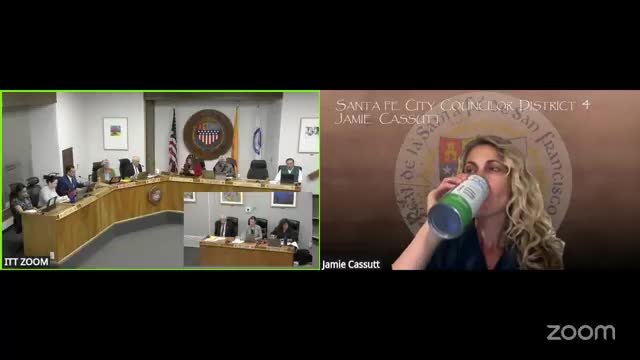
The consultant’s report identifies three main findings: the absence of formal written policies and procedures covering month‑ and year‑end close tasks; limited evidence that reconciliations and aging reports have a separate documented review and approval; and missing archival documentation for a 2023 tabletop exercise on IT disaster recovery. Baker Tilly Director Chelsea Ritchie said the work itself is sound but “without having documented financial procedures, this really could lead to various financial risks as well as inconsistencies.”
City finance leaders echoed that assessment. The director of finance described the internal audit as a process review distinct from the external audit and said staff demonstrated the steps Baker Tilly examined; the primary gap is recording and retaining that work in a consistent, accessible way. The director recommended several achievable fixes, including a centralized policy manual, electronic date‑stamps or signature boxes for reconciliations and a single repository for tabletop exercise documentation.
The finance director said the city already circulates a month‑end reminder email and a year‑end memo, has an internal checklist and has recorded videos of steps in the Munis system. “We were able to describe it and demonstrate it to Baker Tilly — we just don’t have it written down,” the director said, adding that the office plans to cultivate a documentation culture and make a comprehensive policy package a goal for the current fiscal year. She proposed finishing the full written policies by June 30 and completing formal review‑and‑approval documentation by March 31 (third quarter of the fiscal year).
Elected officials pressed for a firm timeline and broader, citywide attention to undocumented procedures. Council members said the audit was a useful check and thanked staff for progress after several years of reforms. One council member noted the need to avoid reverting to paper signatures and urged the use of electronic approval stamps to preserve efficiencies.
The audit did not identify material errors in the underlying transactions examined by outside auditors, staff said. Instead, city and consultant officials emphasized the operational fixes are aimed at continuity and transparency — making it easier for new or interim staff to run month‑end and year‑end workflows without loss of institutional knowledge.
The council took no formal policy vote on the audit itself but accepted the presentation and directions proposed by staff. The city’s finance team and Baker Tilly said they will return with progress reports as the documentation work moves forward.
View the Full Meeting & All Its Details
This article offers just a summary. Unlock complete video, transcripts, and insights as a Founder Member.
30-day money-back guarantee
Sponsors
Proudly supported by sponsors who keep New Mexico articles free in 2025

