Concord presents Memorial Field master plan proposing phased drainage, parking and field upgrades
November 11, 2025 | Concord, Merrimack County , New Hampshire
This article was created by AI summarizing key points discussed. AI makes mistakes, so for full details and context, please refer to the video of the full meeting. Please report any errors so we can fix them. Report an error »
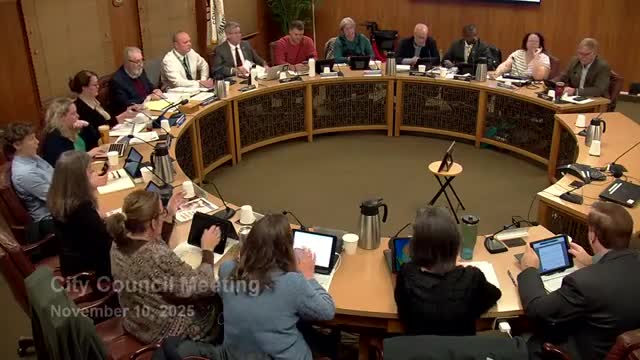
Presentation highlights
- Site problems: Consultants showed photos and survey results documenting failing drainage in the lower fields, nonfunctional field lights that force rental of temporary lighting for night events, and fields that cannot accommodate contemporary sport layouts. A collapsed 36-inch culvert and high groundwater were cited as key drivers of persistent flooding.
- Concept and phasing: Option A and a subcommittee-refined plan move a new eight-lane 400m track and competition fields to the southwest corner to improve grading, add two multipurpose fields (turf or hybrid options discussed) and construct a field house with four team rooms, ADA-compliant bathrooms, concessions and equipment storage. The plan increases on-site parking by roughly 180 spaces (from ~128 existing on-site) through reconfiguration and better use of adjacent property and potential state-owned parcels.
- Costs and next steps: Planning-level costs were presented for a range of wants and needs. The administration recommended a $1.2 million next-phase allocation for final design and permitting; staff said the city budget currently reflects a design/permitting placeholder and flagged potential grant opportunities (including a $500,000 water-conservation grant) and joint funding conversations with the school district. Completing final design/permitting is estimated to take about 12 months before construction-phase cost estimates are firm.
Why it matters: Memorial Field is a 36-acre community complex used for high-school and youth sports plus recreational uses; replacement of drainage, lights and the track affects the school district’s ability to use the site for official meets and competitions. The plan aims to increase field capacity, ADA access and the site's ability to host regional events, and to reduce neighborhood impacts by relocating high-traffic fields away from adjacent housing.
Provenance: topicintro SEG 4430; topicfinish SEG 5048.
Don't Miss a Word: See the Full Meeting!
Go beyond summaries. Unlock every video, transcript, and key insight with a Founder Membership.
30-day money-back guarantee
Sponsors
Proudly supported by sponsors who keep New Hampshire articles free in 2025

