Niskayuna policy committee advances package of special-education policy updates, aligns language with state and federal rules
November 11, 2025 | NISKAYUNA CENTRAL SCHOOL DISTRICT, School Districts, New York
This article was created by AI summarizing key points discussed. AI makes mistakes, so for full details and context, please refer to the video of the full meeting. Please report any errors so we can fix them. Report an error »
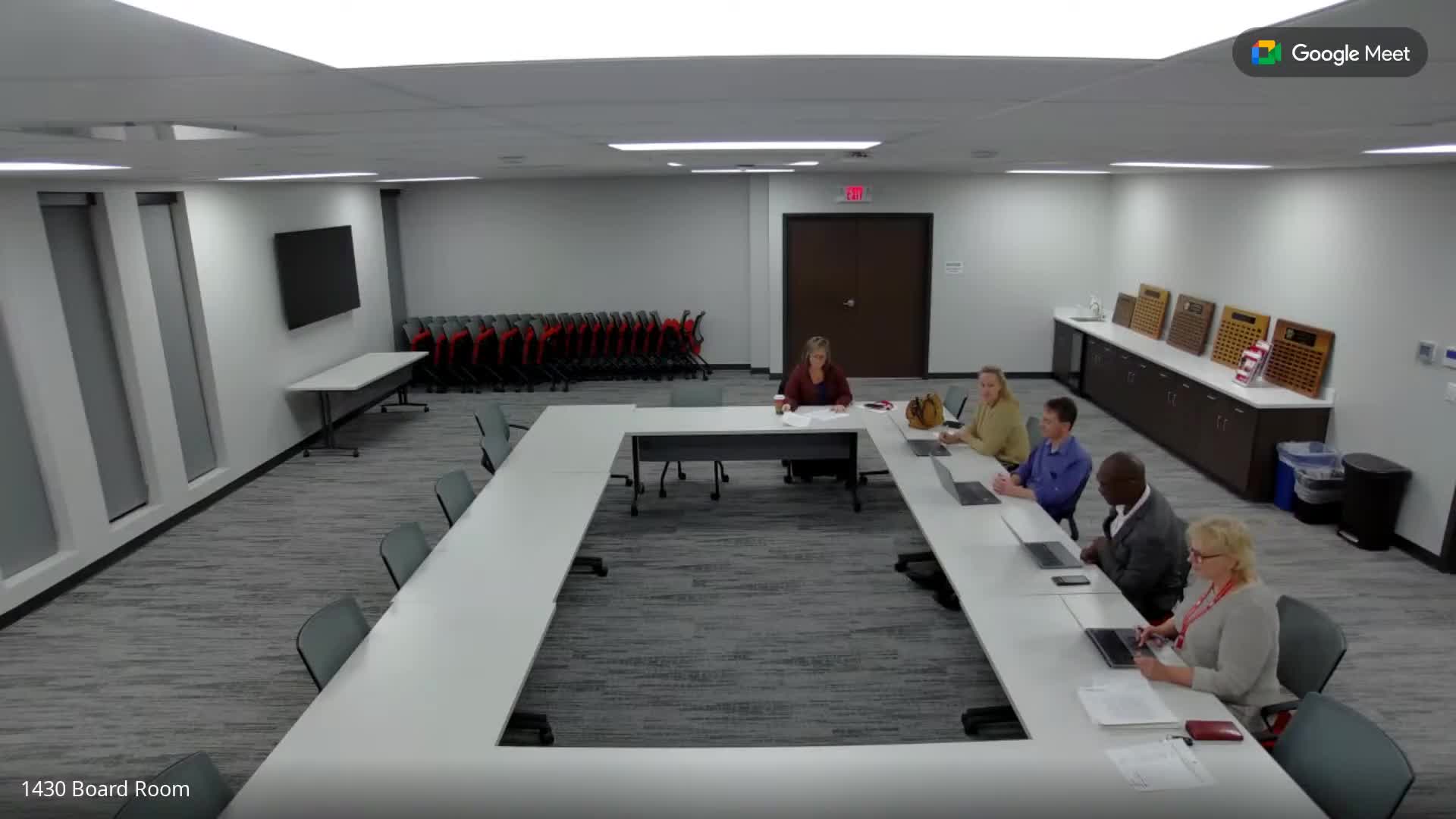
The presenter (Speaker 1, a district staff member) told the committee that one principal change is to policy 76.11, "Children with Disabilities," to reflect an expansion under state and federal rules for the age of eligibility, saying, "So we're making amendment to our policy language to reflect that" and noting the change will effectively add an additional year of eligibility and is an "unfunded mandate." The transcript wording about the precise age expansion is unclear; the presenter referenced "up to age 22" and also used the phrase "up to their 20 birthday," which appeared garbled in the record.
Why it matters: the committee said the edits are intended to align district policy with current regulations so Individualized Education Program (IEP) teams and the Committee on Special Education (CSE) can make placements and eligibility determinations consistent with state and federal expectations. Speaker 1 noted there is no additional state aid attached to the expanded eligibility, meaning the district would absorb any additional costs.
Key changes discussed
- Eligibility language (policy 76.11): Staff proposed updating statutory/regulatory references and eligibility language to reflect recent federal and state changes that extend service eligibility; presenters described the change as likely to remain in effect, and therefore the policy update is designed to reflect that new baseline.
- Grouping by needs: The committee reviewed policy language that instructs CSEs to group students with similar needs, abide by three-year age/grade bands and follow the Part 200 regulations that govern special education in New York State; the only substantive edit noted was capitalization of "alternate assessment."
- Preschool evaluation process: Staff recommended striking redundant policy language that described the post-evaluation documentation process (the practice of documenting CSE/CPSC recommendations in writing), describing the step as procedural rather than needing explicit policy text.
- Least Restrictive Environment (LRE): Staff presented expanded LRE language drawn from neighboring districts and the district's ongoing review of disproportionality. Committee members asked how language requiring a student to be "educated in the school he, she would have attended if not disabled" interacts with specialized programs at locations such as Birchwood or Rosendale; staff clarified that CSEs will place students in the nearest appropriate specialized program when necessary.
- Section 504 policy (7621): Staff proposed adding clearer language to identify the criteria used to determine Section 504 eligibility (references to major life activities) and removing wording that suggested 504 plans provide "specialized instruction," to avoid conflating 504 accommodations with IEP-specialized instruction. As Speaker 1 put it, "If the student needs specialized instruction, more than likely that's coming through CSE, and through PIA, and IEP."
- Due-process and policy consolidation (7630): The committee reviewed a proposed consolidation merging two earlier policies (membership/training for CPSC and CSE) into one policy (7630) and discussed minor differences; staff recommended combining the materials to avoid duplication.
What the committee decided and next steps
No formal votes were recorded in the transcript. Committee members largely supported the approach of aligning policy language with state/federal requirements and of consolidating overlapping policies; several members suggested edits to wording (in particular preferring phrasing framed as a "best fit" for students rather than language asserting a program "will not do harm"). Staff said they would revise language based on feedback and return items as needed at a subsequent policy meeting.
Selected quotes
"It is one of those changes in policy that becomes an unfunded mandate, if you will," Speaker 1 said of the eligibility expansion.
On communications, Speaker 2 said families should "receive the same notice of such district programs and activities as those in District" rather than requiring a separate notification from special-education staff.
Context and limitations
The committee discussion frequently referenced state regulations (Part 200) and Section 504 of federal law when describing the rationale for edits. The transcript contains some garbled text about the exact age expansion language; the article reflects the transcript wording and flags that the exact phrasing in the meeting record is unclear. The meeting included multiple clarifying questions and an agreement to continue refining language before final board consideration.
What comes next
Staff will revise the drafts to incorporate committee feedback (clarify phrasing, harmonize parent/guardian terminology across policies, and finalize the 504/IEP scope distinctions) and will return the amended policies to a future policy committee or board meeting for final approval.
Don't Miss a Word: See the Full Meeting!
Go beyond summaries. Unlock every video, transcript, and key insight with a Founder Membership.
30-day money-back guarantee
Sponsors
Proudly supported by sponsors who keep New York articles free in 2025

