District 5 trustees hear Finance 101 workshop on budgeting, debt and procurement
November 11, 2025 | Lexington 05, School Districts, South Carolina
This article was created by AI summarizing key points discussed. AI makes mistakes, so for full details and context, please refer to the video of the full meeting. Please report any errors so we can fix them. Report an error »
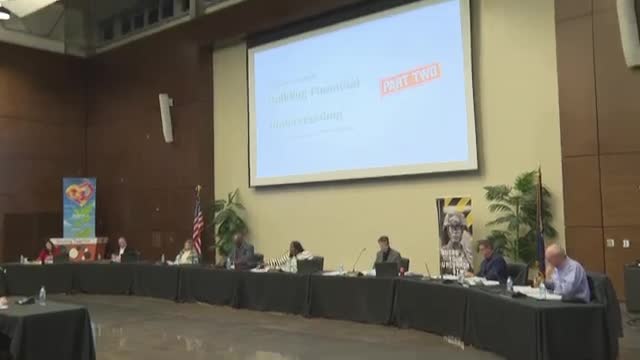
Missy Campbell, chief financial officer for Spartanburg School District 7 and a member of the South Carolina Association of School Business Officials, led a Finance 101 workshop for Lexington‑Richland School District Five trustees focused on how districts build, manage and sustain general‑fund budgets.
"A budget should reflect your goals, your values, and your priorities in your district," Campbell said, urging trustees to treat the budget as "a living, breathing, working document" rather than a one‑time exercise. She emphasized that salaries and benefits typically account for 85–90% of general‑fund spending and called for multiyear planning — opening discussions three years or more ahead — to track how prior assumptions played out.
Campbell reviewed revenue risks that complicate budgeting in South Carolina, explaining that state aid to classrooms can shift with fall and statutory reporting dates (including 10th, 45th and 135th‑day counts) and describing the practical need to monitor the state house budget process through June. She gave the board a concrete example to explain the constitutional 8% non‑referendum debt limit: a district with a $500 million assessed value could issue roughly $40 million in non‑referendum debt under Article 10's cap without voter approval.
On debt tools, Campbell outlined several mechanisms districts commonly use: general obligation (8%) bonds, equipment acquisition agreements that do not count against the 8% limit, bond‑anticipation notes for short‑term financing, and tax‑anticipation notes to bridge timing gaps between payroll and tax collections. She said a thorough capital improvement plan and an aligned debt management plan are essential before issuing any debt.
Campbell also covered fund‑balance guidance from the Government Finance Officers Association, warning against using one‑time revenues repeatedly and urging a contingency line or conservative assumptions for vacancies. She closed with procurement and internal‑control advice — segregate duties, limit procurement cards, document change orders and test controls — to reduce fraud and sustain public trust.
Campbell’s presentation was followed by trustee questions on how 8% debt affects the debt‑service millage and on district debt‑management planning. Trustees thanked Campbell for practical examples they can apply to District Five’s upcoming budget calendar.
The board adjourned the Finance 101 workshop by unanimous motion and resumed its regular meeting.
"A budget should reflect your goals, your values, and your priorities in your district," Campbell said, urging trustees to treat the budget as "a living, breathing, working document" rather than a one‑time exercise. She emphasized that salaries and benefits typically account for 85–90% of general‑fund spending and called for multiyear planning — opening discussions three years or more ahead — to track how prior assumptions played out.
Campbell reviewed revenue risks that complicate budgeting in South Carolina, explaining that state aid to classrooms can shift with fall and statutory reporting dates (including 10th, 45th and 135th‑day counts) and describing the practical need to monitor the state house budget process through June. She gave the board a concrete example to explain the constitutional 8% non‑referendum debt limit: a district with a $500 million assessed value could issue roughly $40 million in non‑referendum debt under Article 10's cap without voter approval.
On debt tools, Campbell outlined several mechanisms districts commonly use: general obligation (8%) bonds, equipment acquisition agreements that do not count against the 8% limit, bond‑anticipation notes for short‑term financing, and tax‑anticipation notes to bridge timing gaps between payroll and tax collections. She said a thorough capital improvement plan and an aligned debt management plan are essential before issuing any debt.
Campbell also covered fund‑balance guidance from the Government Finance Officers Association, warning against using one‑time revenues repeatedly and urging a contingency line or conservative assumptions for vacancies. She closed with procurement and internal‑control advice — segregate duties, limit procurement cards, document change orders and test controls — to reduce fraud and sustain public trust.
Campbell’s presentation was followed by trustee questions on how 8% debt affects the debt‑service millage and on district debt‑management planning. Trustees thanked Campbell for practical examples they can apply to District Five’s upcoming budget calendar.
The board adjourned the Finance 101 workshop by unanimous motion and resumed its regular meeting.
Don't Miss a Word: See the Full Meeting!
Go beyond summaries. Unlock every video, transcript, and key insight with a Founder Membership.
✓
Get instant access to full meeting videos
✓
Search and clip any phrase from complete transcripts
✓
Receive AI-powered summaries & custom alerts
✓
Enjoy lifetime, unrestricted access to government data
30-day money-back guarantee
