Draft Lake Street "complete street" plan proposes sidewalks, bike lanes and traffic calming; public comment open through Dec. 9
November 10, 2025 | Mount Shasta, Siskiyou County, California
This article was created by AI summarizing key points discussed. AI makes mistakes, so for full details and context, please refer to the video of the full meeting. Please report any errors so we can fix them. Report an error »
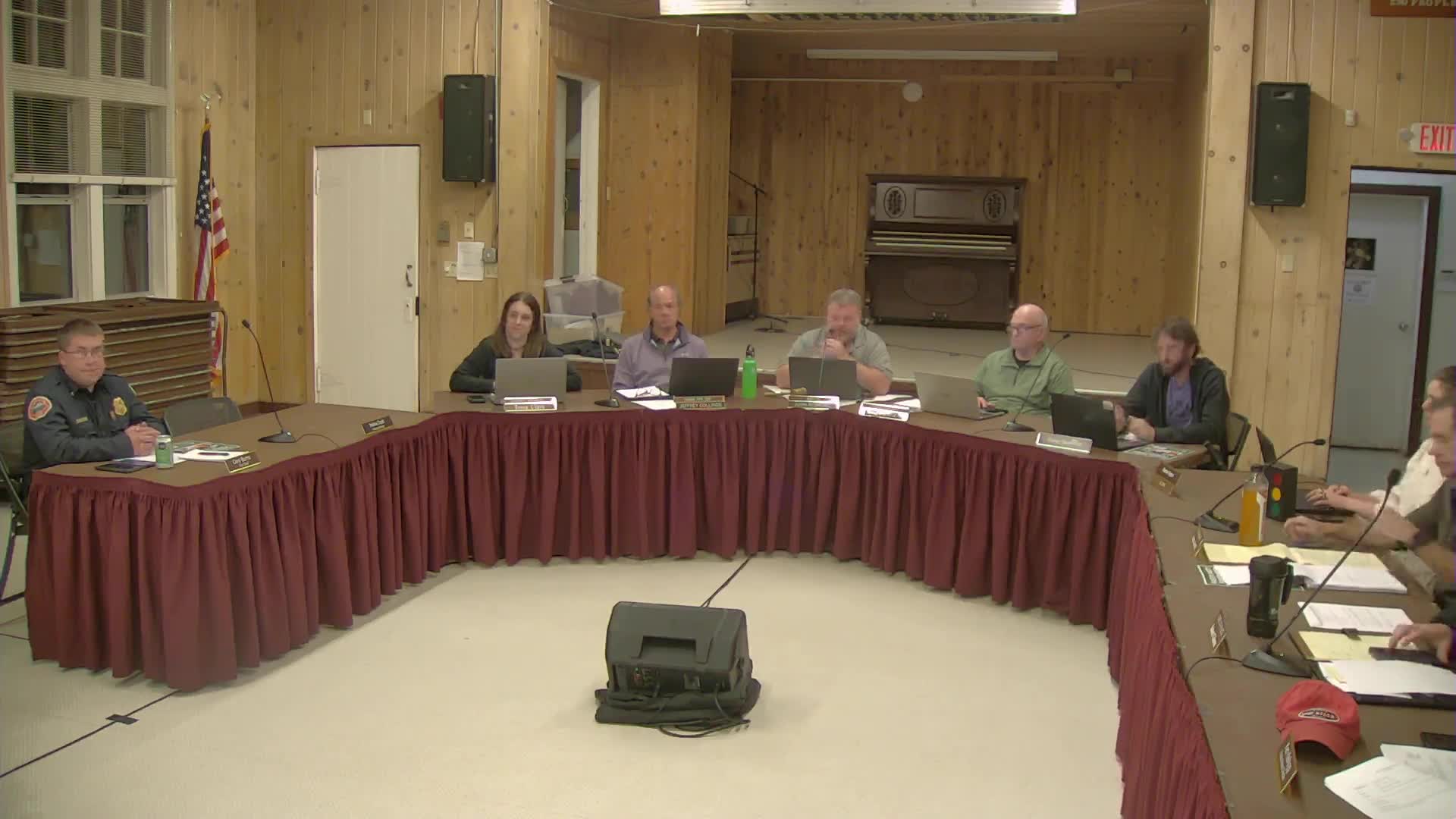
"All of our streets are built for automobiles...theyre built for metal, not people," Twine said, describing the concept of a "complete street" and the project's goals to improve sidewalks, crosswalk visibility and protected bike buffers.
Twine outlined three functional sections of Lake Street (commercial core, community core and residential connector), reported public outreach methods including community meetings and surveys, and presented planning‑level cost estimates: the existing paving contract is roughly $2 million; Green Dot estimated about $1.8 million in additional components to achieve complete‑street features. Twine noted the draft report and cross sections are available on the city website and the public comment period runs through Dec. 9; staff said council will consider adoption after the comment period.
During Q&A, councilors and residents expressed support for sidewalks, crossings and traffic calming; some asked about roundabouts, and the consultant said initial analysis showed roundabouts were infeasible without significant property takings. Residents described personal safety concerns and welcomed grant‑funding pursuit to cover improvements.
Design details the consultant emphasized include narrowing excessively wide travel lanes (now 13–15 feet) to create buffers, installing ADA‑compliant curb ramps, addressing sidewalk gaps and relocating or adjusting utility poles that obstruct walkways; the design preserves most parking to support downtown businesses.
Next steps: the draft is open for comment through Dec. 9; council and staff will seek funding for design and construction, and the council discussed integrating the Lake Street work with planned paving and utility repairs during reconstruction design.
Don't Miss a Word: See the Full Meeting!
Go beyond summaries. Unlock every video, transcript, and key insight with a Founder Membership.
30-day money-back guarantee
Sponsors
Proudly supported by sponsors who keep California articles free in 2025

