Portland officials outline next steps after voters approve 2025 parks levy
November 11, 2025 | Portland, Multnomah County, Oregon
This article was created by AI summarizing key points discussed. AI makes mistakes, so for full details and context, please refer to the video of the full meeting. Please report any errors so we can fix them. Report an error »
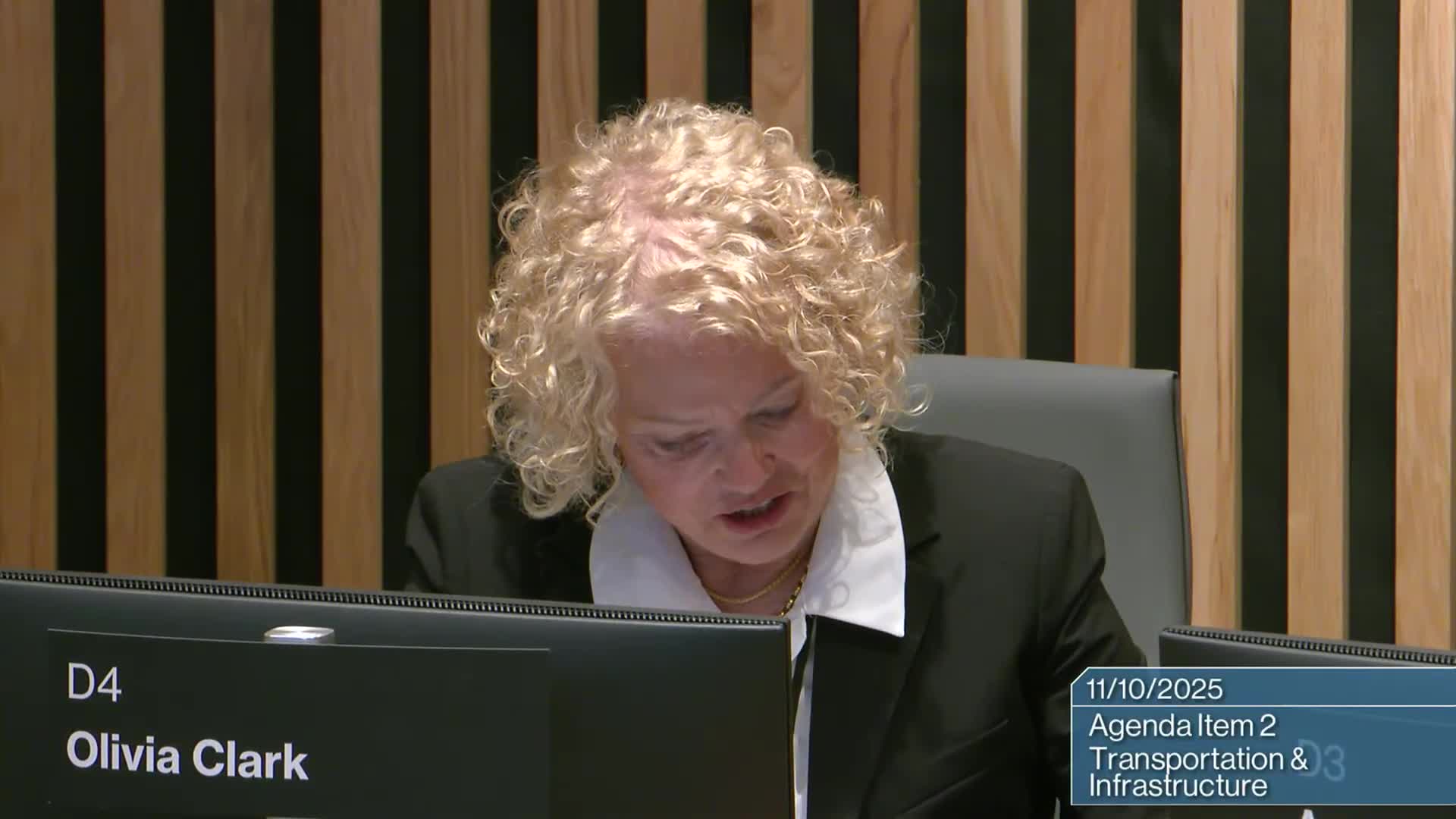
Deputy City Administrator Dana Donipal said the levy ‘‘provides near term operational stability for our park system’’ and will fund over 40% of Portland Parks and Recreation’s operations for the next five years while providing roughly $2,000,000 annually for capital maintenance. Sarah Huggins said the levy is forecast to produce approximately $78–$84 million in the first fiscal year for operations and capital and that the levy referral resolution directs staff to develop a long-range funding and level-of-service plan by FY 27/28, submit KPIs for City Council approval by December 2025 and explore SDC (system development charge) changes and a potential capital bond.
Jessica Green, executive director of the Portland Parks Foundation, urged maintaining the coalition that supported the levy and stressed that the levy is a stabilizer, not a full solution; she called for development of KPIs, annual reporting, an oversight committee and stronger partnership and grant programs to leverage philanthropic investment. Paul of the Portland Parks Alliance urged more urgency: he said the city’s deferred maintenance backlog is estimated between $550 million and $800 million and called for accelerating the financial sustainability plan from June 2028 to June 2026 and producing an asset-management plan by Dec. 31, 2026.
Committee members pressed staff on next steps and timelines. Councilors asked whether KPIs and related materials would return to this committee or another body; staff said they will return to the Transportation and Infrastructure Committee pending council president direction. Councilors also discussed using SDCs for capital maintenance, reprioritizing the capital improvement plan, and concerns about property-tax compression impacts on other levies. Sarah Huggins provided estimated annual compression impacts (children's levy just under $900,000 average; Metro parks about $200,000; Multnomah County/OHS about $100,000) and reaffirmed that the children's levy would be kept whole in the exercise.
Multiple speakers emphasized that the levy secures near-term funding but that an urgent, coordinated approach is required to address the larger capital backlog. Donipal said the work ahead — including defining service levels, pursuing diverse funding sources, developing partnerships and demonstrating cost-effectiveness — will be critical to sustaining the park system. The committee requested KPIs and additional reports at upcoming meetings; Chair Clark scheduled the committee's next meeting for Dec. 15 and adjourned.
Sources and evidence: DCA and bureau presentations and testimony to the Transportation and Infrastructure Committee, Nov. 10 (topic introduction: SEG 744; Sarah Huggins details: SEG 800–893; Parks Alliance backlog estimate: SEG 1172–1174).
View the Full Meeting & All Its Details
This article offers just a summary. Unlock complete video, transcripts, and insights as a Founder Member.
30-day money-back guarantee
Sponsors
Proudly supported by sponsors who keep Oregon articles free in 2025

