West Chester Area SD reports falling ELA proficiency, mixed math trends and targeted interventions
November 11, 2025 | West Chester Area SD, School Districts, Pennsylvania
This article was created by AI summarizing key points discussed. AI makes mistakes, so for full details and context, please refer to the video of the full meeting. Please report any errors so we can fix them. Report an error »
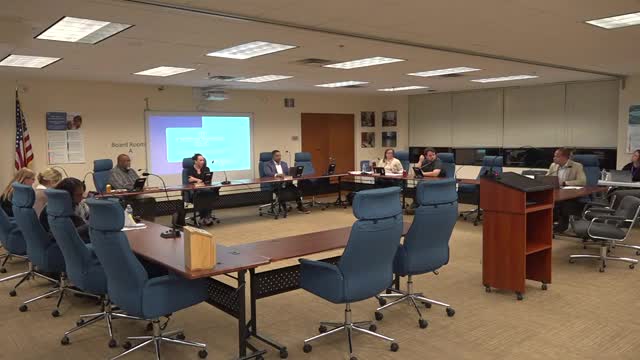
District teaching and learning staff told the West Chester Area School District Teaching, Learning & Equity Committee that recent assessment data show a downward trend in ELA proficiency across grades 3–8 and persistent achievement gaps for English learners, students with disabilities and economically disadvantaged students.
Presenters said ELA weaknesses are most pronounced in comprehension and author’s purpose questions and that the district will emphasize tier‑1 instruction, cross‑curricular literacy strategies and targeted interventions through MTSS. Staff described professional learning (PLC meetings, lesson study), a pilot of new language‑arts resources beginning in December, and partnerships — including the AIM Institute structured‑literacy pilot and Reading Assist tutoring at a Title I school — as components of the plan.
Board members asked detailed questions about metrics and historical trends; staff said available state releases delayed some comparative data, but noted the district will use Acadience benchmarks and common summative assessments to track growth. Several members expressed concern that the transition to online PSSA testing (iPads) this year may have contributed to score differences; staff noted that the state reported an average drop this year and committed to follow up once desegregated data are available.
In math, staff reported modest improvements from 2022 to 2025 overall, while flagging weaknesses at the middle‑school level (grades 6–8) and disparities by subgroup. The district described steps including math specialists, aligned middle‑school work, AI tools to support instruction (CoTeach AI, Snorkel) and expanded training for teachers to improve numeracy and reasoning skills. Staff said ongoing meetings and Hanover Research support could be used for deeper data digs and predictive analyses.
Presenters said ELA weaknesses are most pronounced in comprehension and author’s purpose questions and that the district will emphasize tier‑1 instruction, cross‑curricular literacy strategies and targeted interventions through MTSS. Staff described professional learning (PLC meetings, lesson study), a pilot of new language‑arts resources beginning in December, and partnerships — including the AIM Institute structured‑literacy pilot and Reading Assist tutoring at a Title I school — as components of the plan.
Board members asked detailed questions about metrics and historical trends; staff said available state releases delayed some comparative data, but noted the district will use Acadience benchmarks and common summative assessments to track growth. Several members expressed concern that the transition to online PSSA testing (iPads) this year may have contributed to score differences; staff noted that the state reported an average drop this year and committed to follow up once desegregated data are available.
In math, staff reported modest improvements from 2022 to 2025 overall, while flagging weaknesses at the middle‑school level (grades 6–8) and disparities by subgroup. The district described steps including math specialists, aligned middle‑school work, AI tools to support instruction (CoTeach AI, Snorkel) and expanded training for teachers to improve numeracy and reasoning skills. Staff said ongoing meetings and Hanover Research support could be used for deeper data digs and predictive analyses.
Don't Miss a Word: See the Full Meeting!
Go beyond summaries. Unlock every video, transcript, and key insight with a Founder Membership.
✓
Get instant access to full meeting videos
✓
Search and clip any phrase from complete transcripts
✓
Receive AI-powered summaries & custom alerts
✓
Enjoy lifetime, unrestricted access to government data
30-day money-back guarantee
